

Does a Water Filter Remove PFAS? Carbon, RO & Gravity Compared
Does a Water Filter Remove PFAS? Carbon, RO & Gravity Compared
It is the central question every health-conscious household asks: does a water filter remove PFAS? The honest answer is: some technologies do, basic filters do not, and independent test certification matters far more than marketing claims.
PFAS (per- and polyfluoroalkyl substances) are synthetic "forever chemicals". This guide compares the leading residential filtration methods so you can select a validated solution for your drinking water.
Comparison of PFAS Home Filtration Technologies
| Technology | PFAS Reduction | Plumbing Needed | Key Consideration |
|---|---|---|---|
| Activated Carbon | High (PFOA/PFOS) | None (Gravity/Pitcher) | Requires timely cartridge replacement |
| Reverse Osmosis (RO) | Very High (>95%) | Yes (Under-sink) | Creates wastewater; requires pressure |
| Standard Pitchers | Low / Variable | None | Often targets chlorine only, not PFAS |
1. Activated Carbon Adsorption
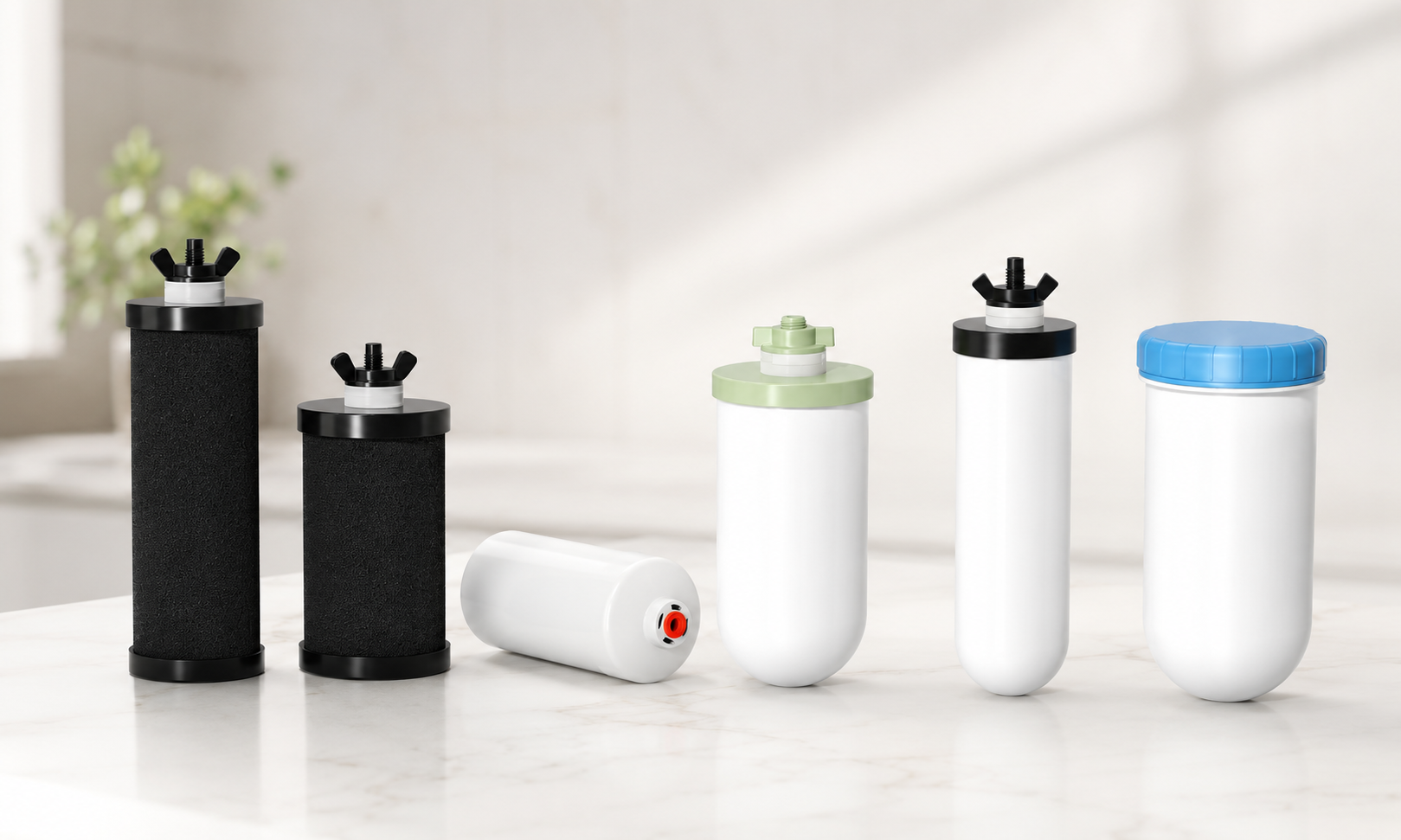
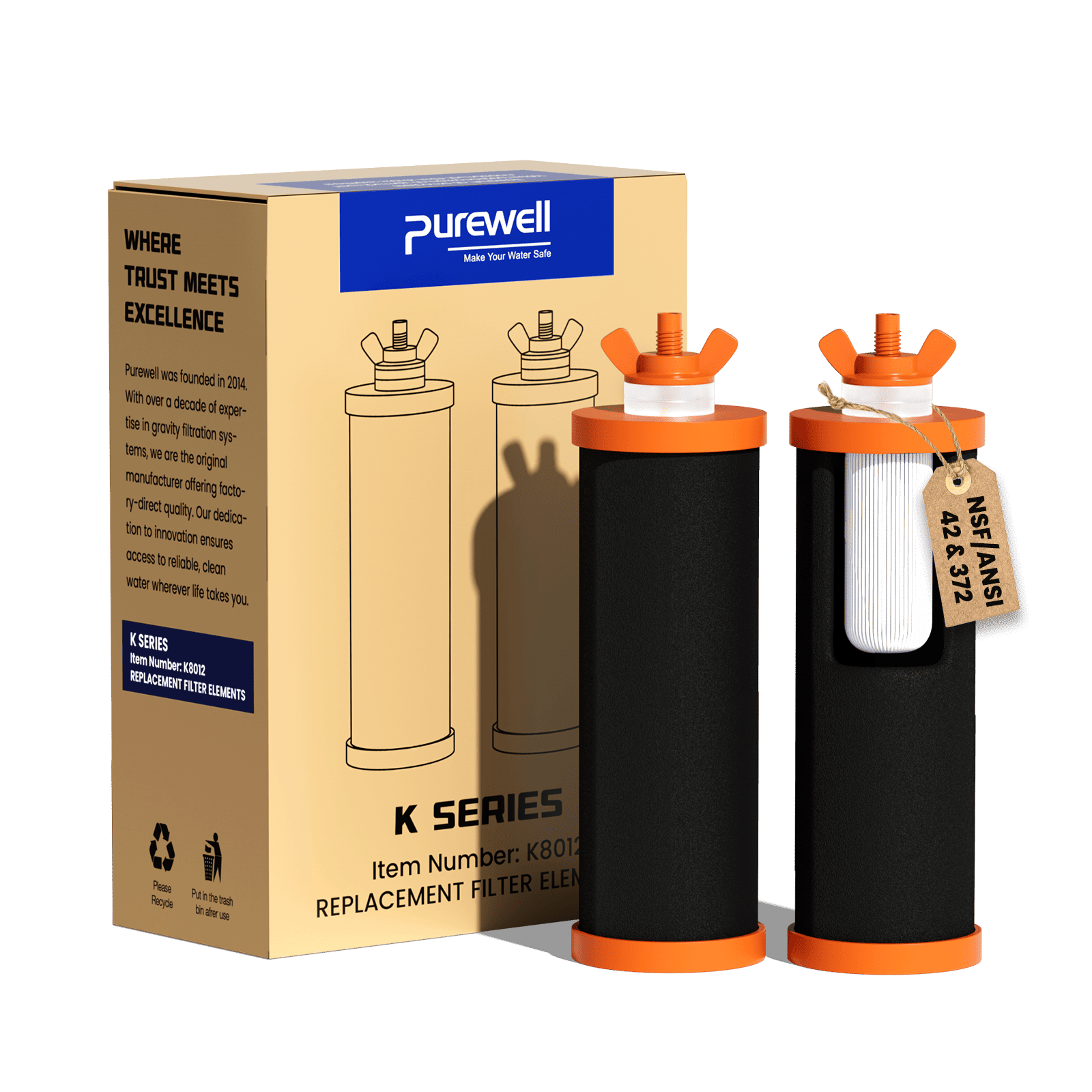
Activated carbon remains the most thoroughly researched media for organic chemical reduction. Its porous matrix traps PFOA and PFOS as water flows through. However, performance depends on water contact time. Recent disclosures regarding UK utility trials showed that carbon media rapidly reaches capacity under continuous chemical loads. To prevent breakthrough, replacing exhausted cartridges with fresh replacement filters on schedule is non-negotiable.
2. Reverse Osmosis (RO) Systems
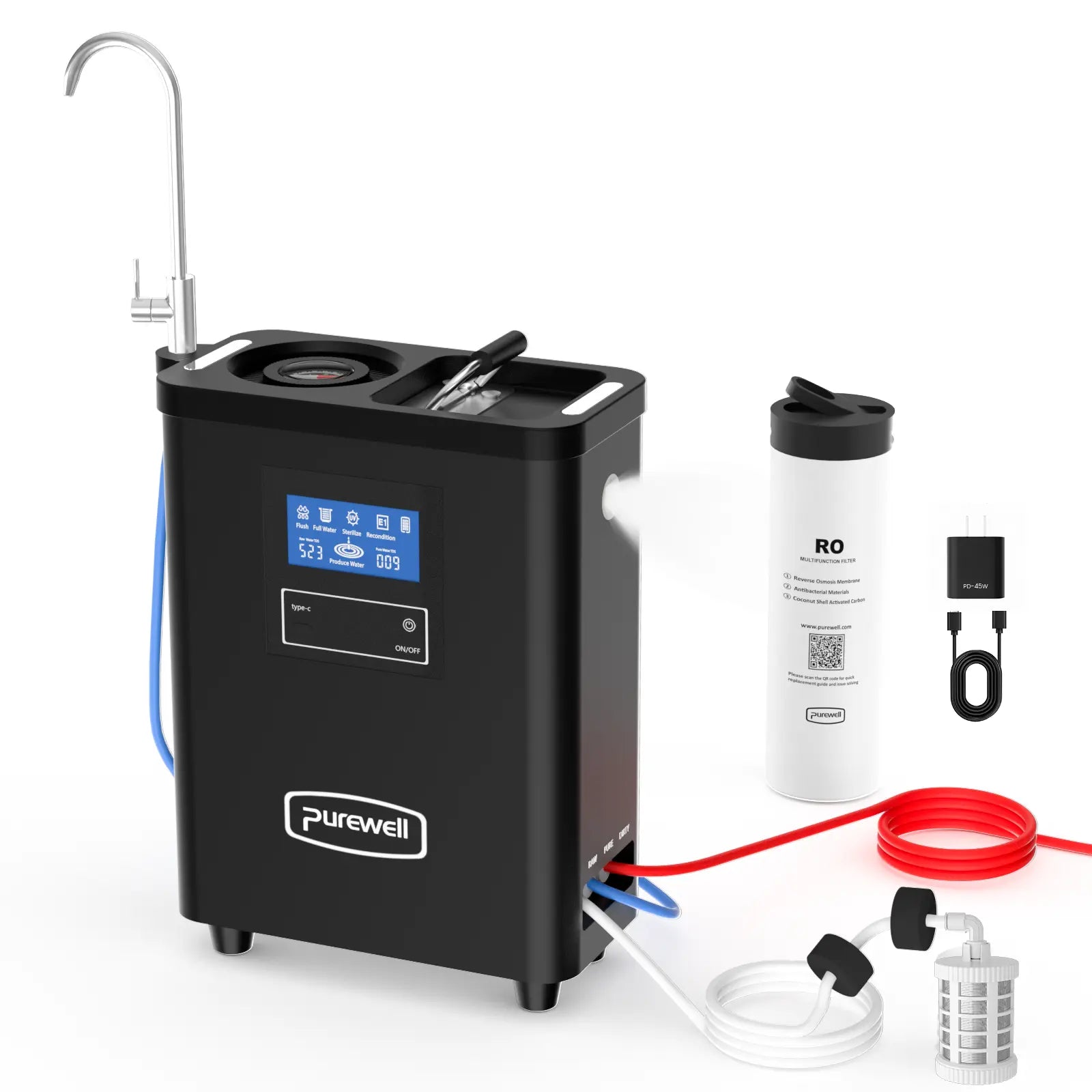
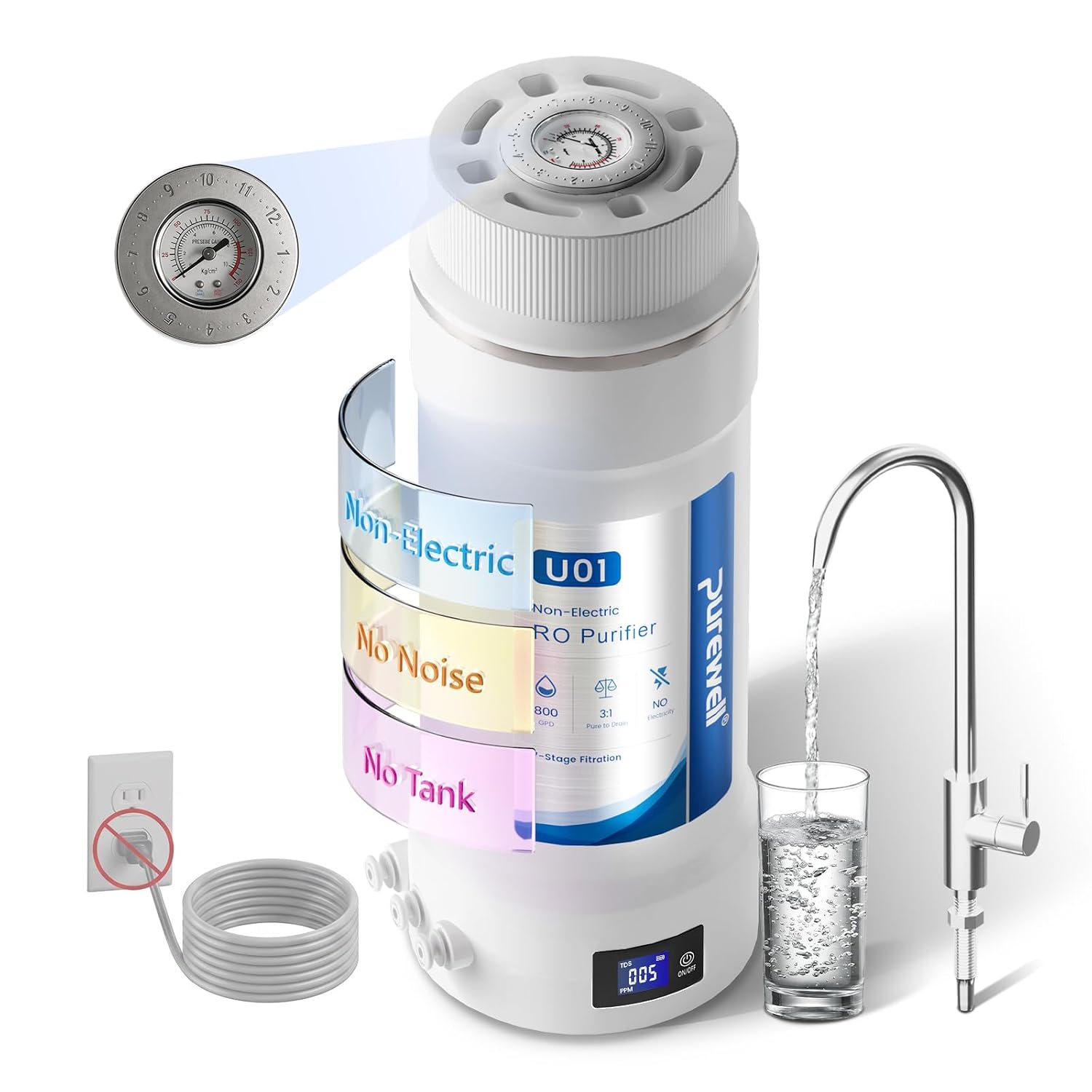
RO forces water under pressure through a semi-permeable membrane. It is exceptionally thorough at stripping out both short- and long-chain PFAS compounds. The main drawbacks are under-sink space constraints, wastewater production, and professional plumbing requirements.
3. Countertop Gravity Water Filters
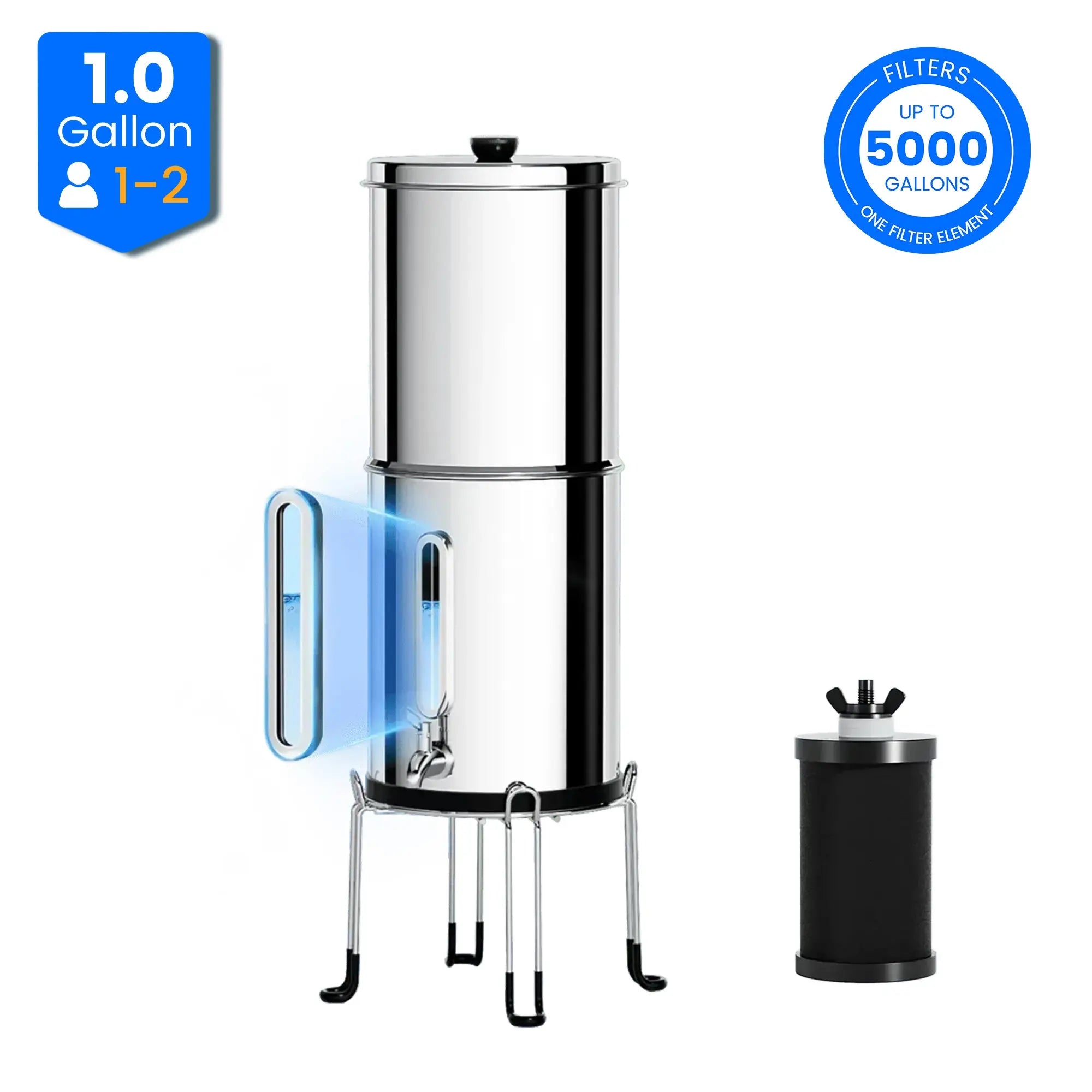
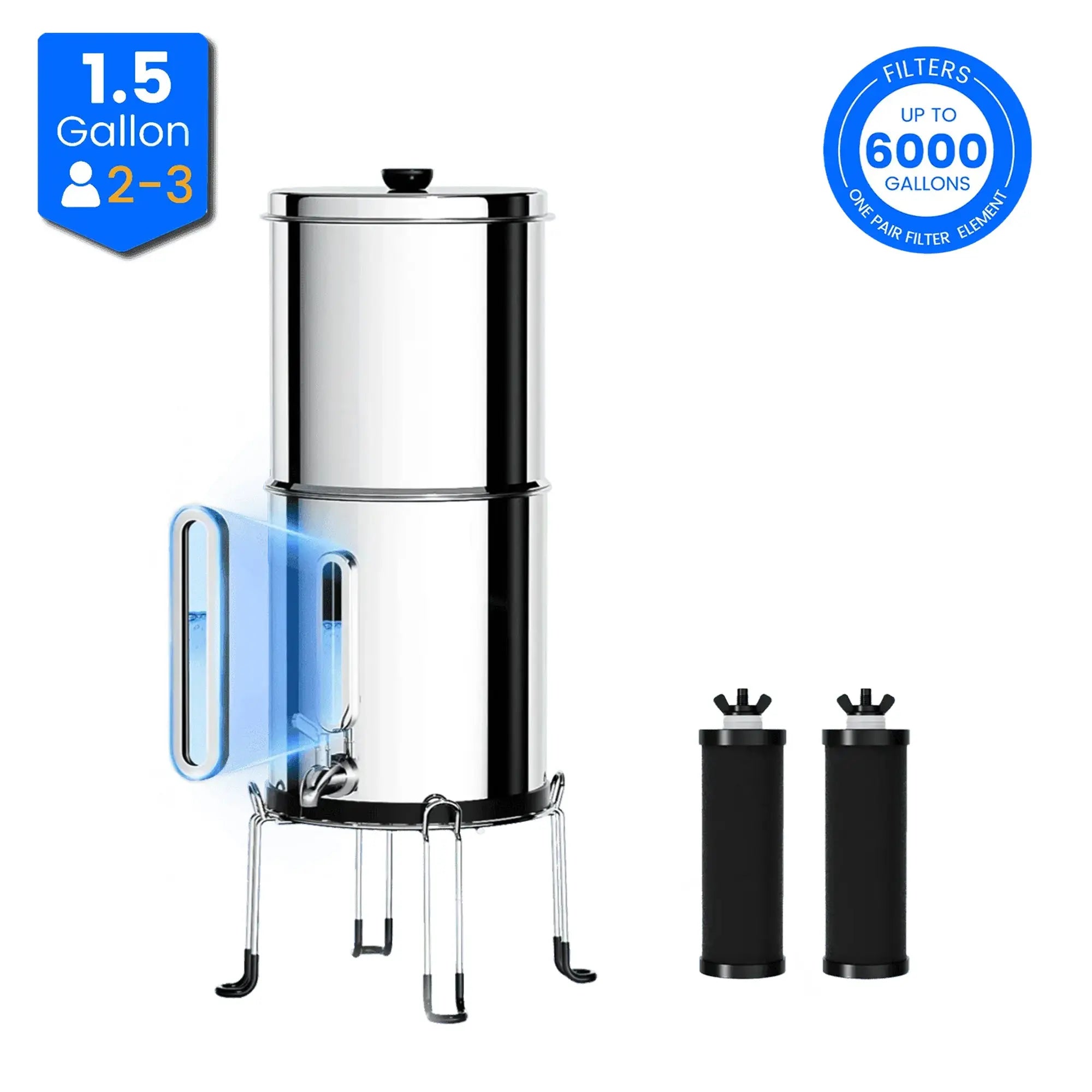
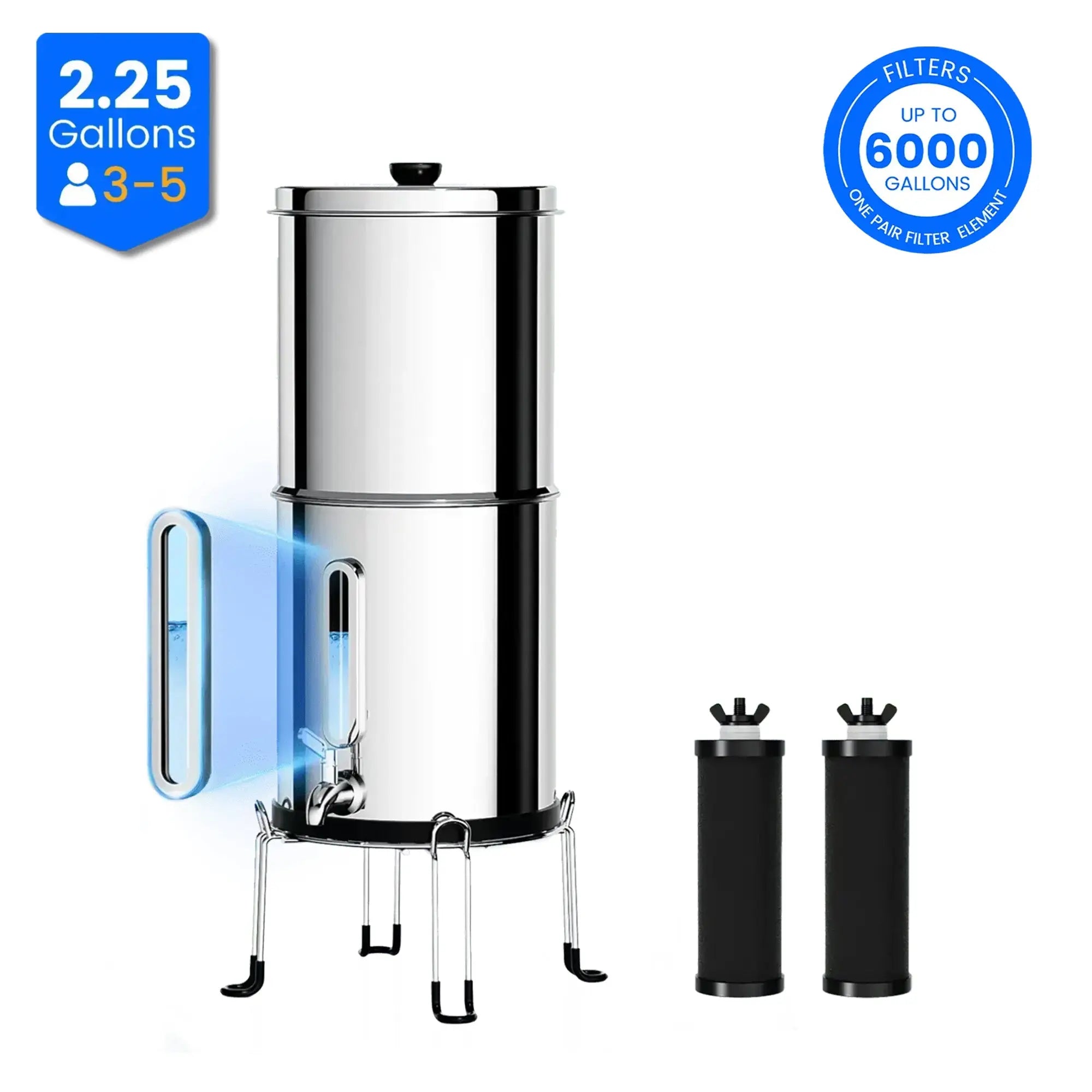
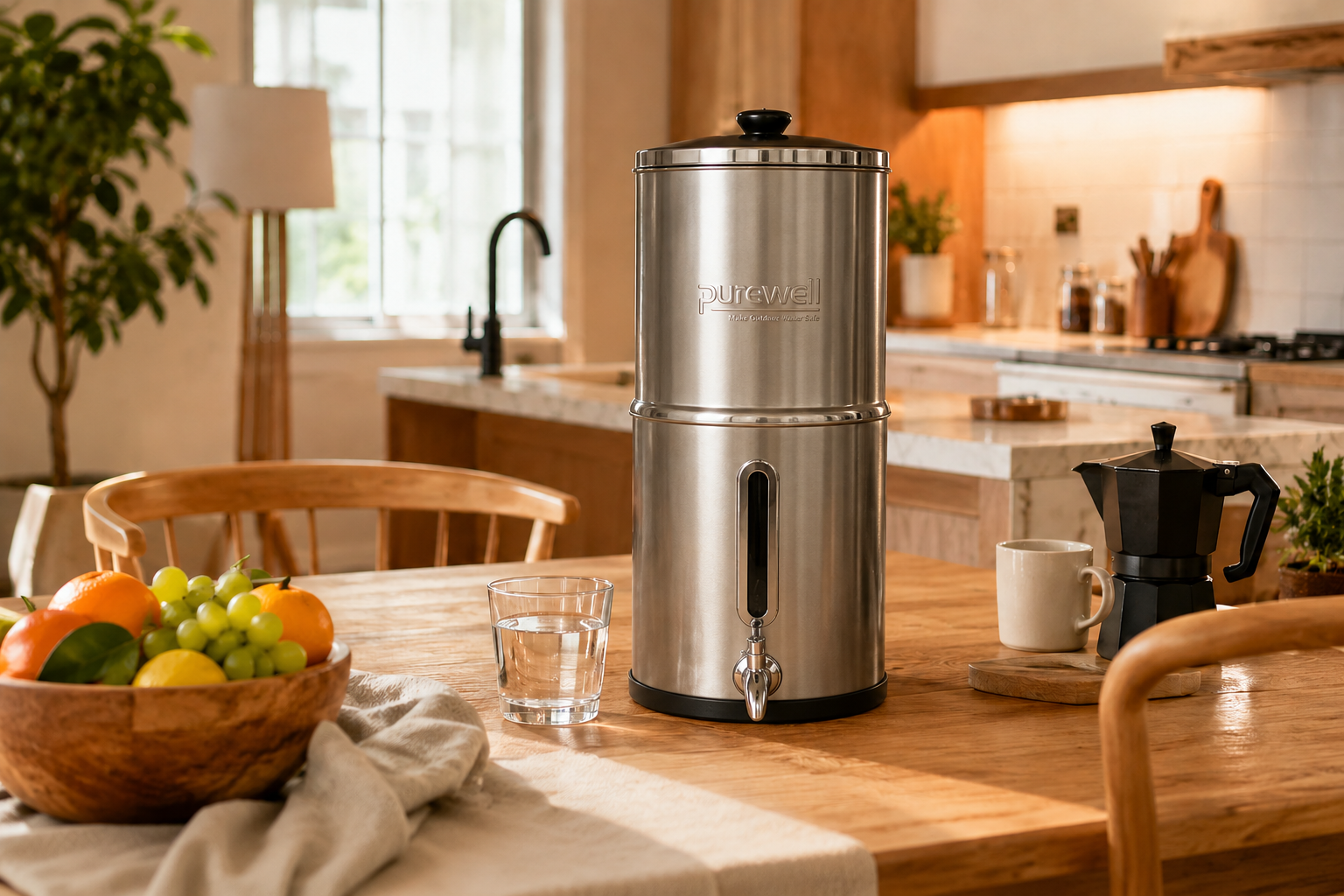
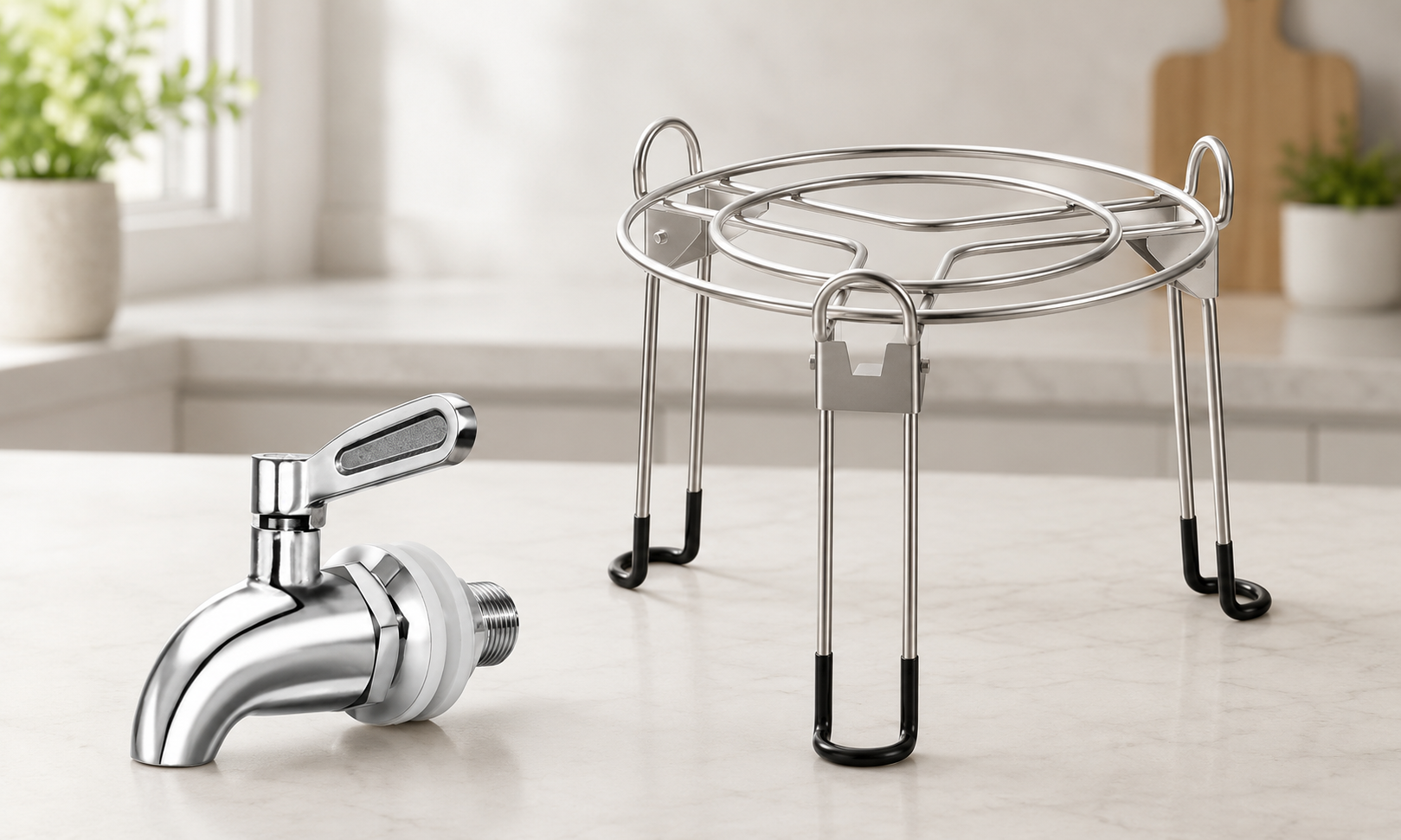
A countertop gravity water filter system pairs high-density carbon elements with UF hollow-fiber membranes. Because it relies on natural gravity, water trickles slowly through the media, maximizing contact time to adsorb synthetic chemicals without using electricity or mains plumbing. If you are weighing up specific models, our guide to the best gravity water filter for UK homes compares capacity, cartridge life and running cost.

For real-world context on UK tap water safety, read our analyses on PFAS in London tap water and the Thames Water PFOS trial.
Frequently Asked Questions
Do all carbon filters remove PFAS?
No. Basic pitcher filters that only improve taste and reduce chlorine scaling do not automatically filter PFAS. Look for units tested to NSF/ANSI 53 or P473 standards for PFOA/PFOS reduction.
How often should filter elements be replaced?
Always adhere to the recommended gallon capacity or 6-to-12-month schedule. Saturated carbon loses its adsorption capability and can allow contaminants to pass through.
How can I test my tap water for PFAS?
Standard home dip strips cannot measure nanogram-level PFAS concentrations accurately. You should request an analysis kit from a UKAS-accredited laboratory specializing in drinking water testing.