
Water Filtration System for Home: How to Choose the Right Type
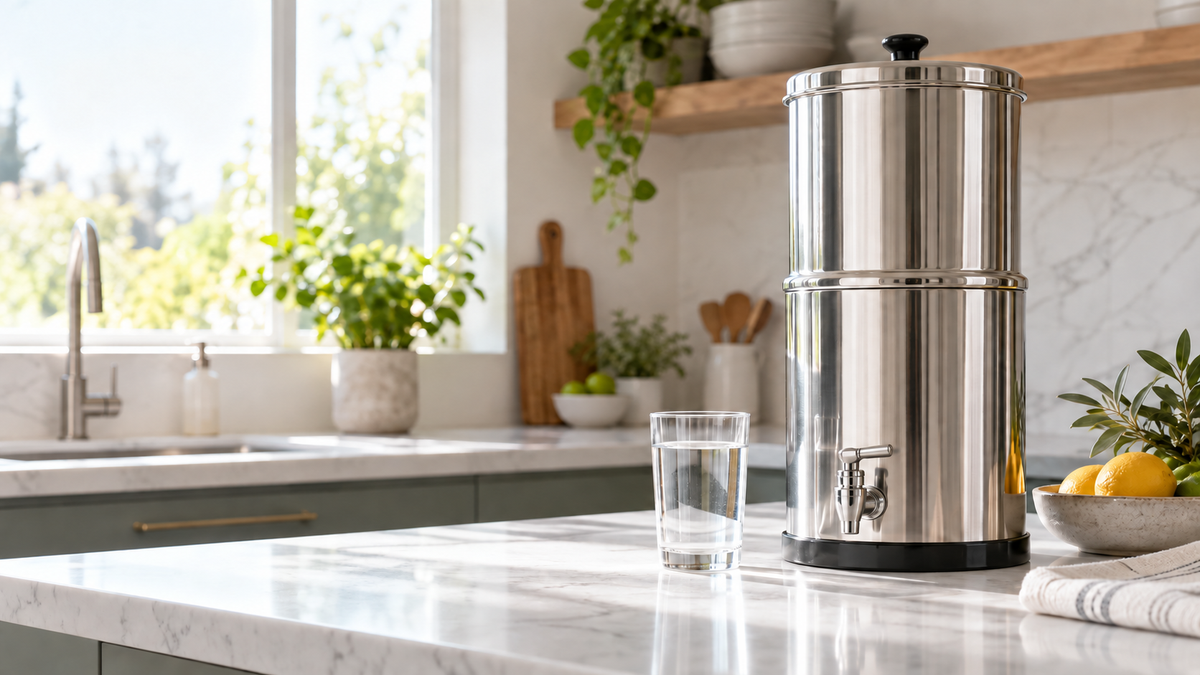
The best water filtration system for a home depends on your water source, household size, available space, and filtration goal. For everyday drinking water, many families choose a countertop gravity water filter or an under-sink reverse osmosis system. For whole-home water concerns, a whole house filtration system may be needed. For travel, camping, or emergency backup, a portable water filter is usually more practical.
If your main goal is filtered drinking water without electricity or plumbing, a gravity water filtration system is often one of the simplest options. If your goal is deeper reduction of dissolved substances, a reverse osmosis system may be a better fit.
What Is a Water Filtration System?
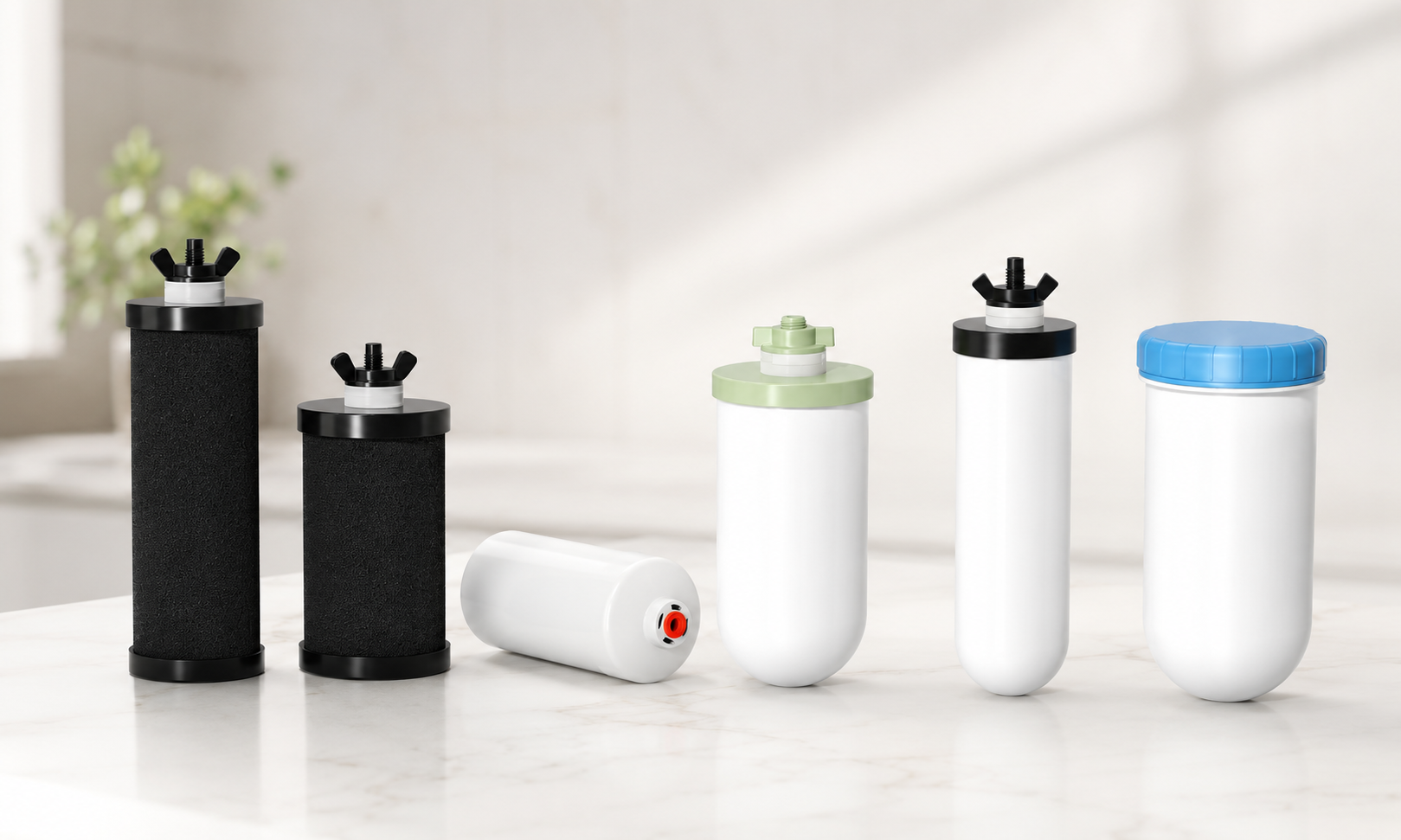
A water filtration system is a device or setup that reduces selected impurities from water before you drink or use it. Different systems use different filtration methods, such as activated carbon, ceramic media, hollow fiber membranes, sediment filtration, or reverse osmosis membranes.
No single water filter is designed for every water problem. The right system depends on what you want to reduce, where your water comes from, and how you plan to use the filtered water.
Quick Comparison: Which Water Filtration System Do You Need?
| System Type | Best For | Installation | Power Needed | Typical Use Case |
|---|---|---|---|---|
| Countertop gravity water filter | Daily drinking water | No plumbing | No | Kitchen, apartment, backup water |
| Reverse osmosis system | Deeper drinking-water filtration | Usually under sink | Depends on model | Home drinking and cooking water |
| Under-sink water filter | Clean countertop setup | Plumbing connection | Usually no | Dedicated kitchen faucet |
| Whole house filtration system | Water for the entire home | Professional installation often needed | Depends on system | Well water, sediment, whole-home concerns |
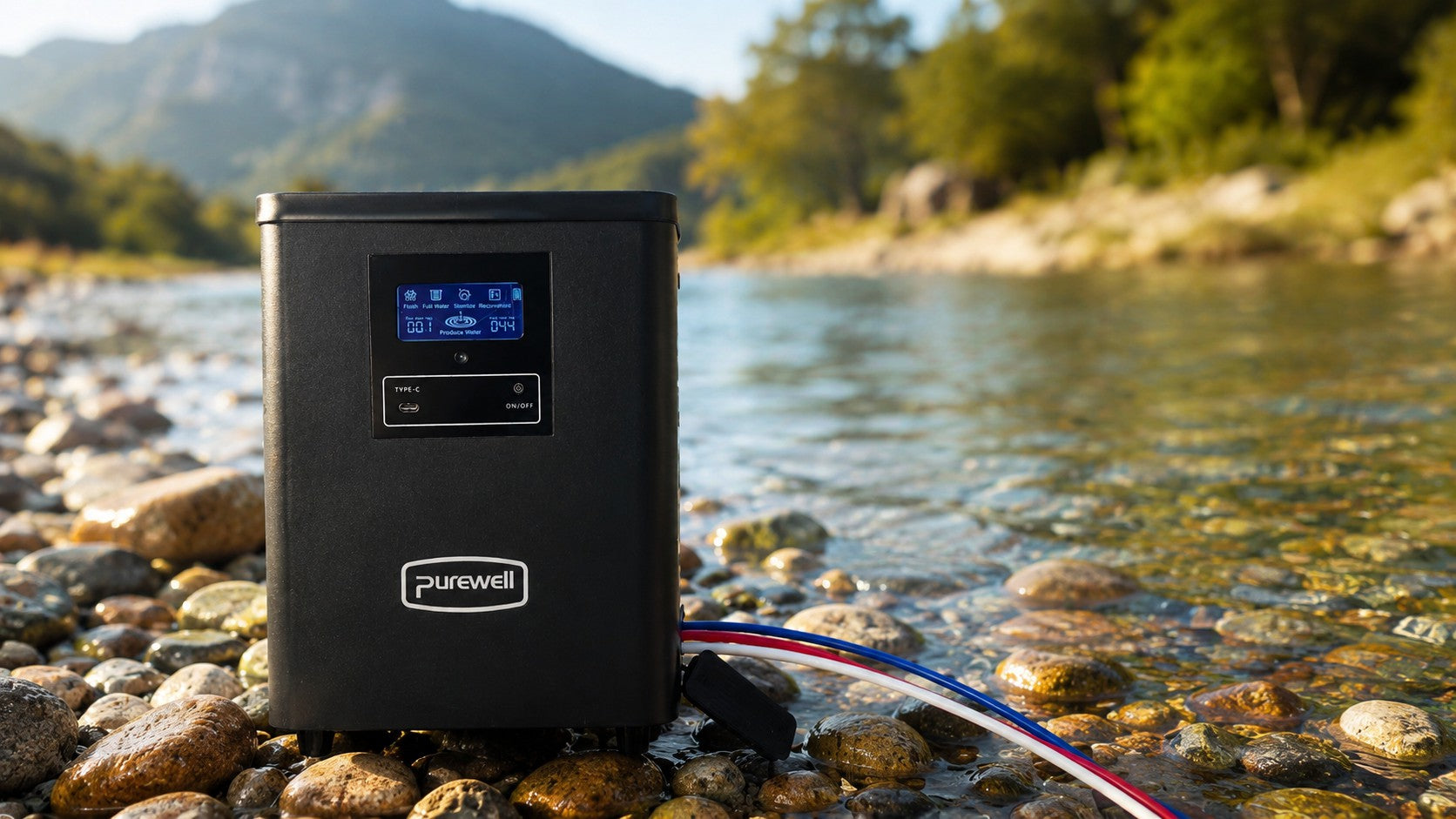
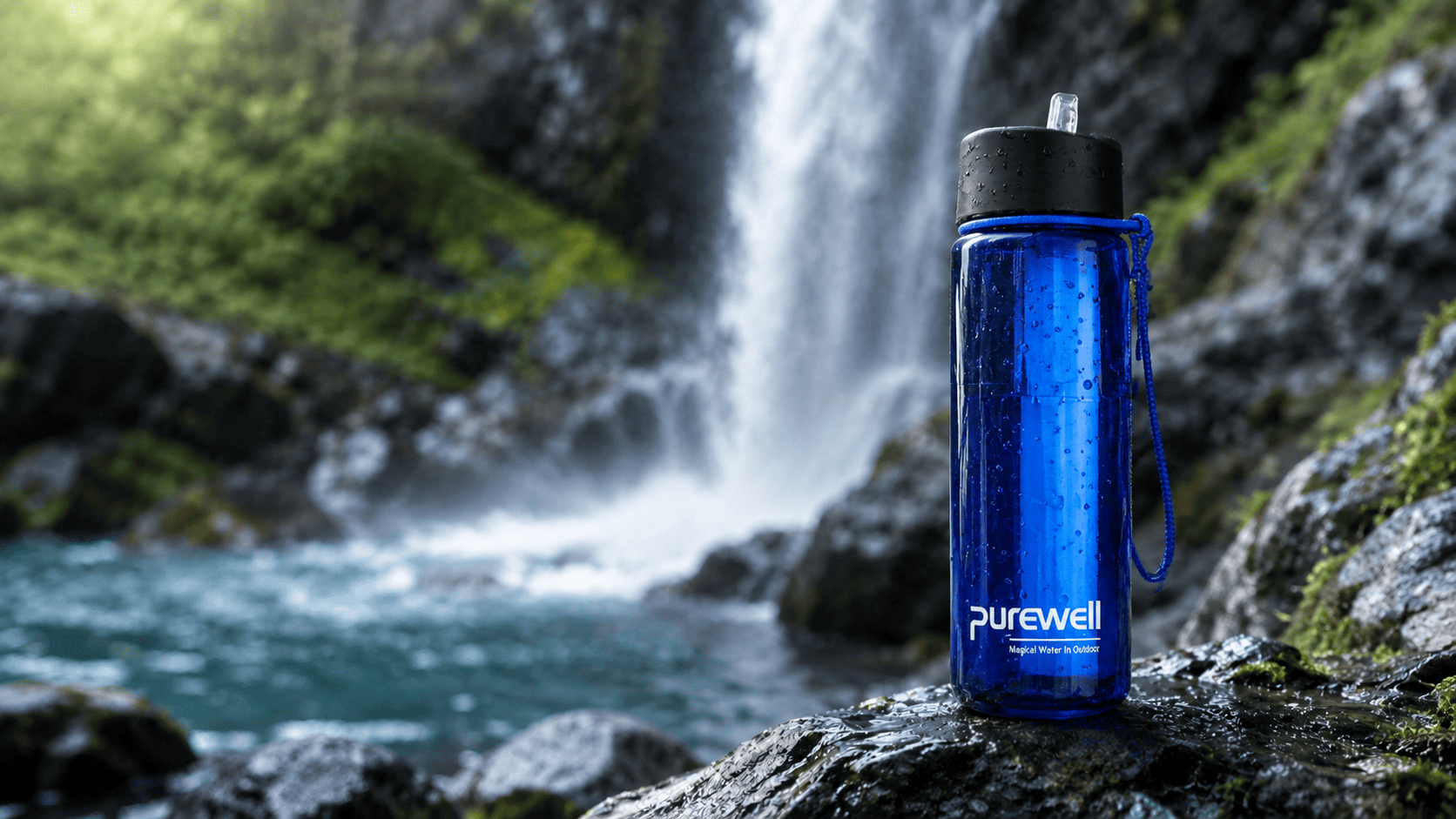
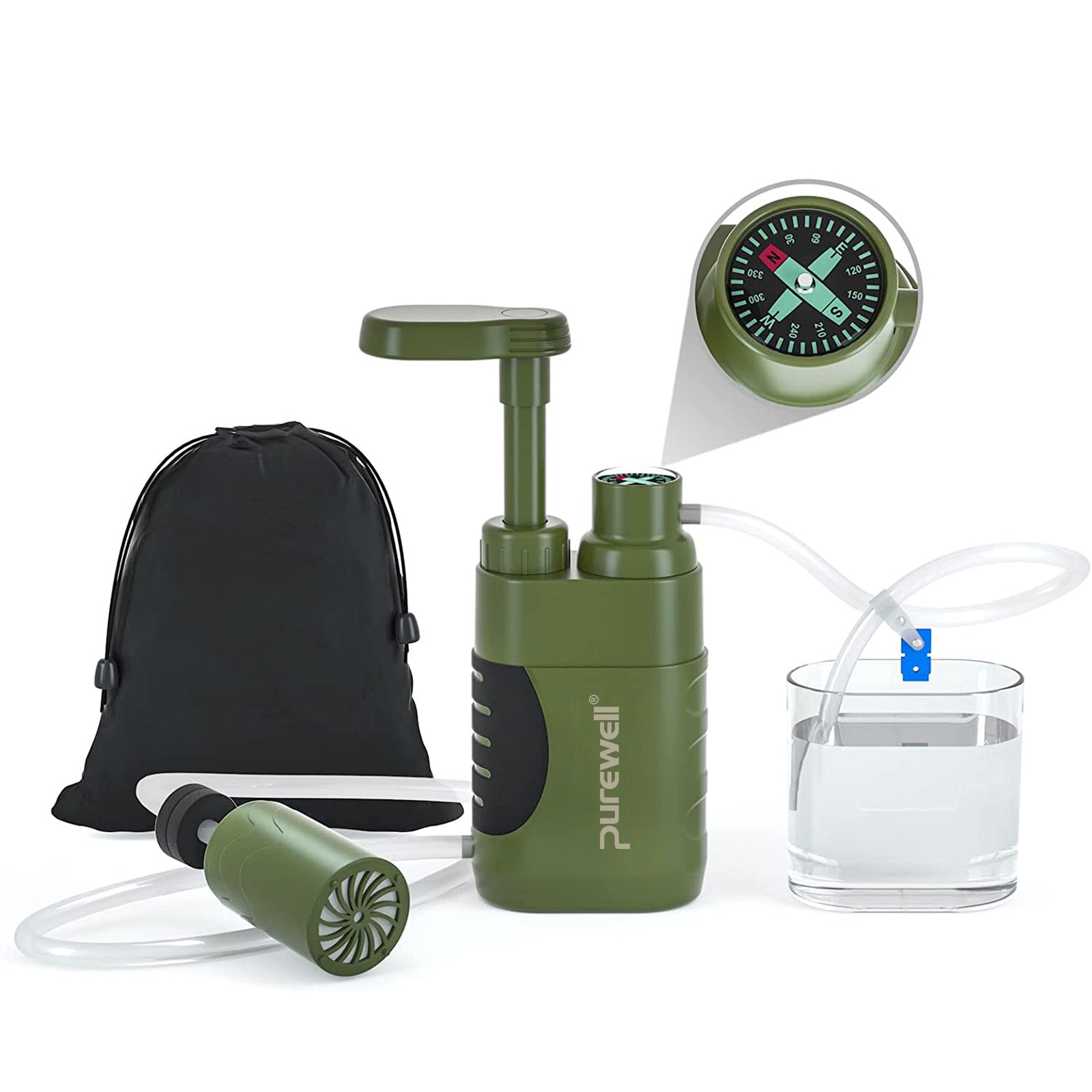
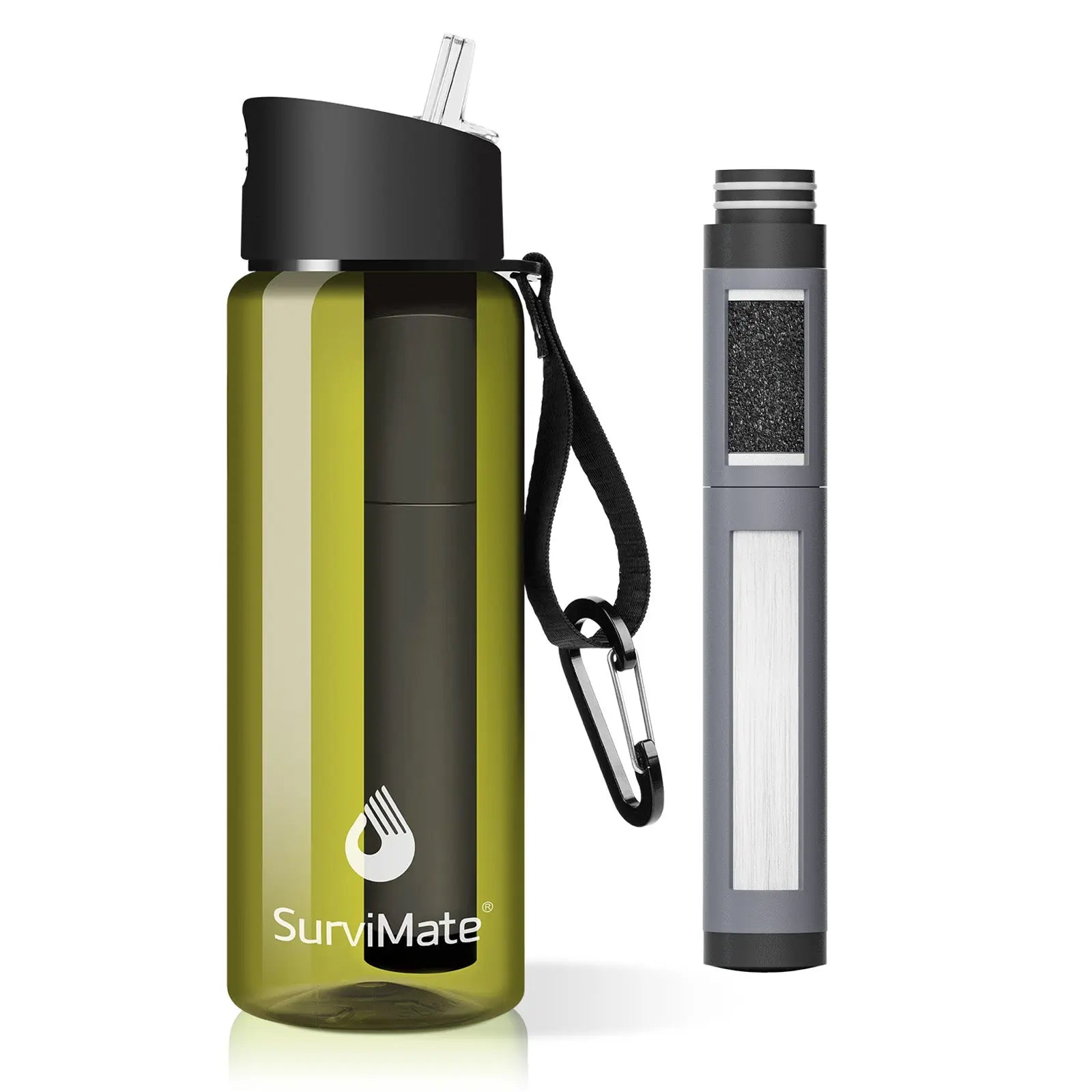
| Portable water filter | Travel and emergency use | No fixed installation | No or minimal | Camping, RV, outdoor, backup |
Countertop Gravity Water Filtration Systems
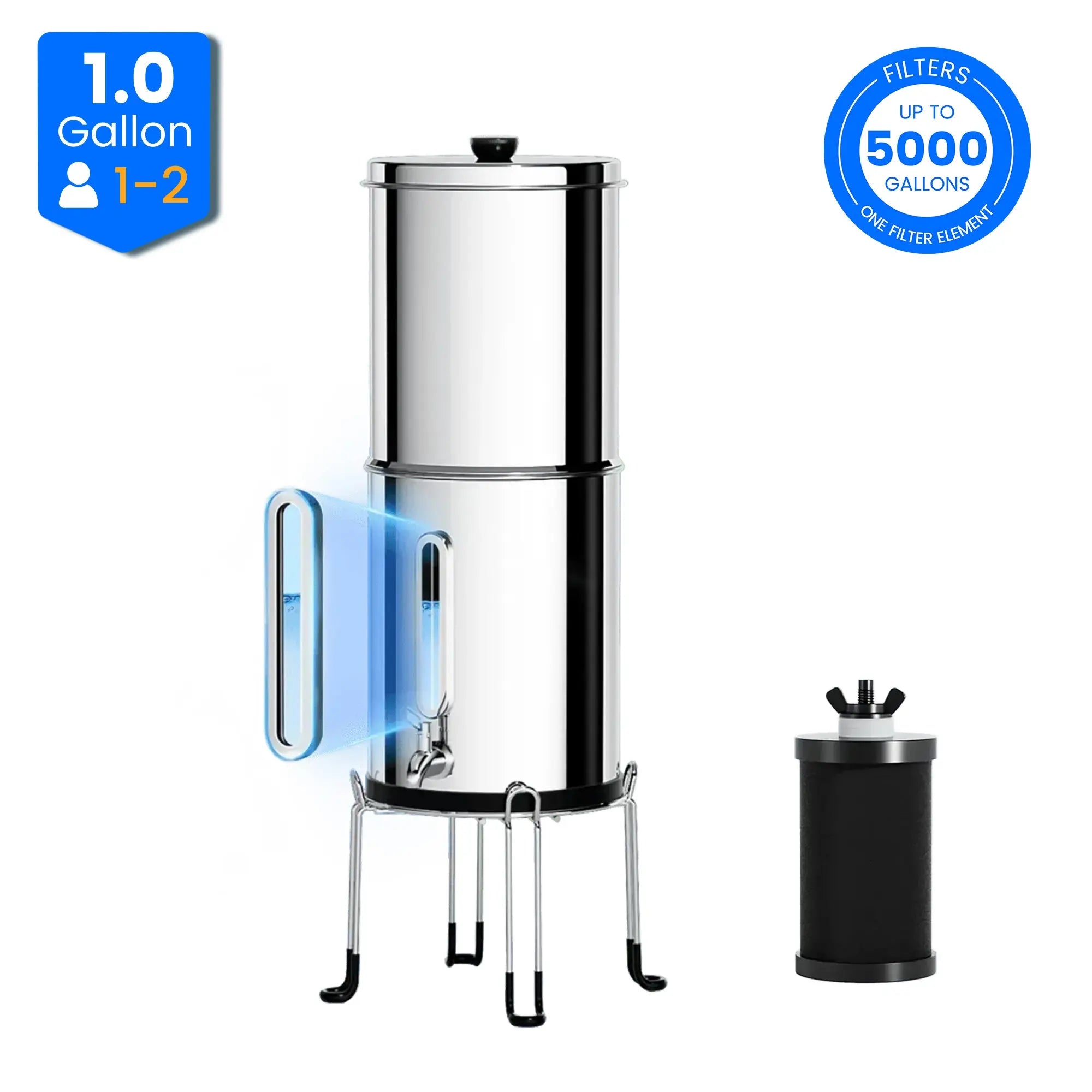
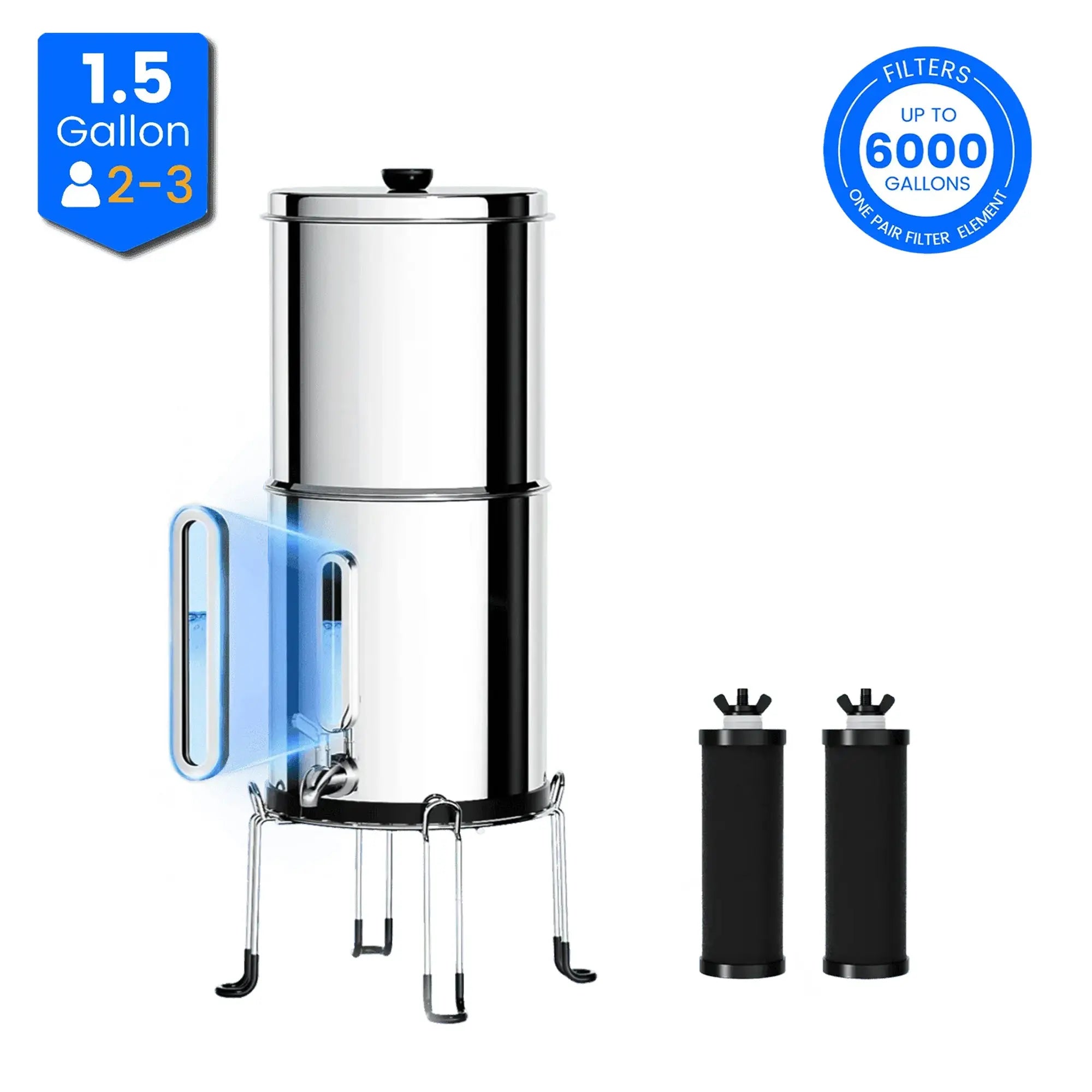
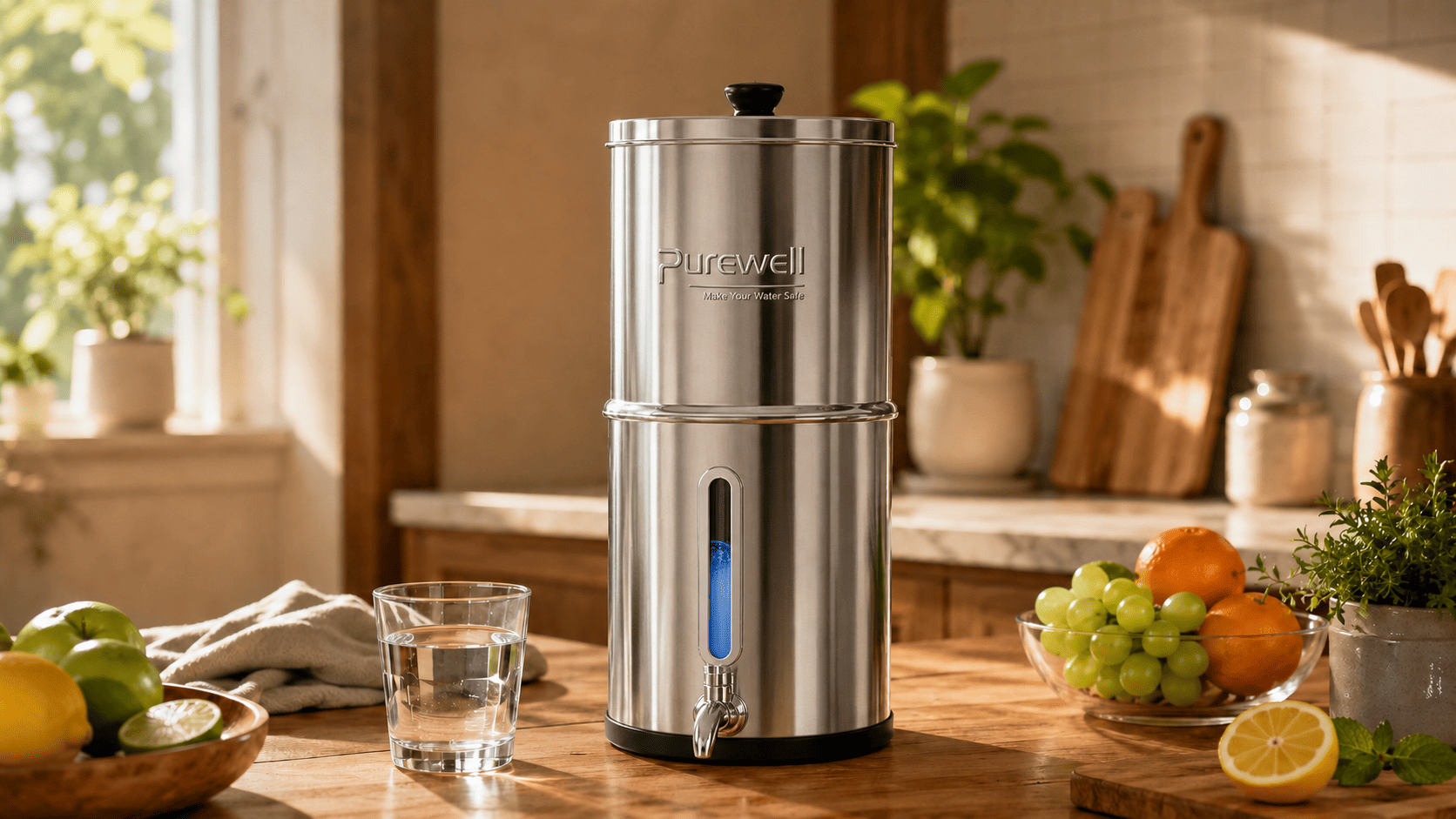
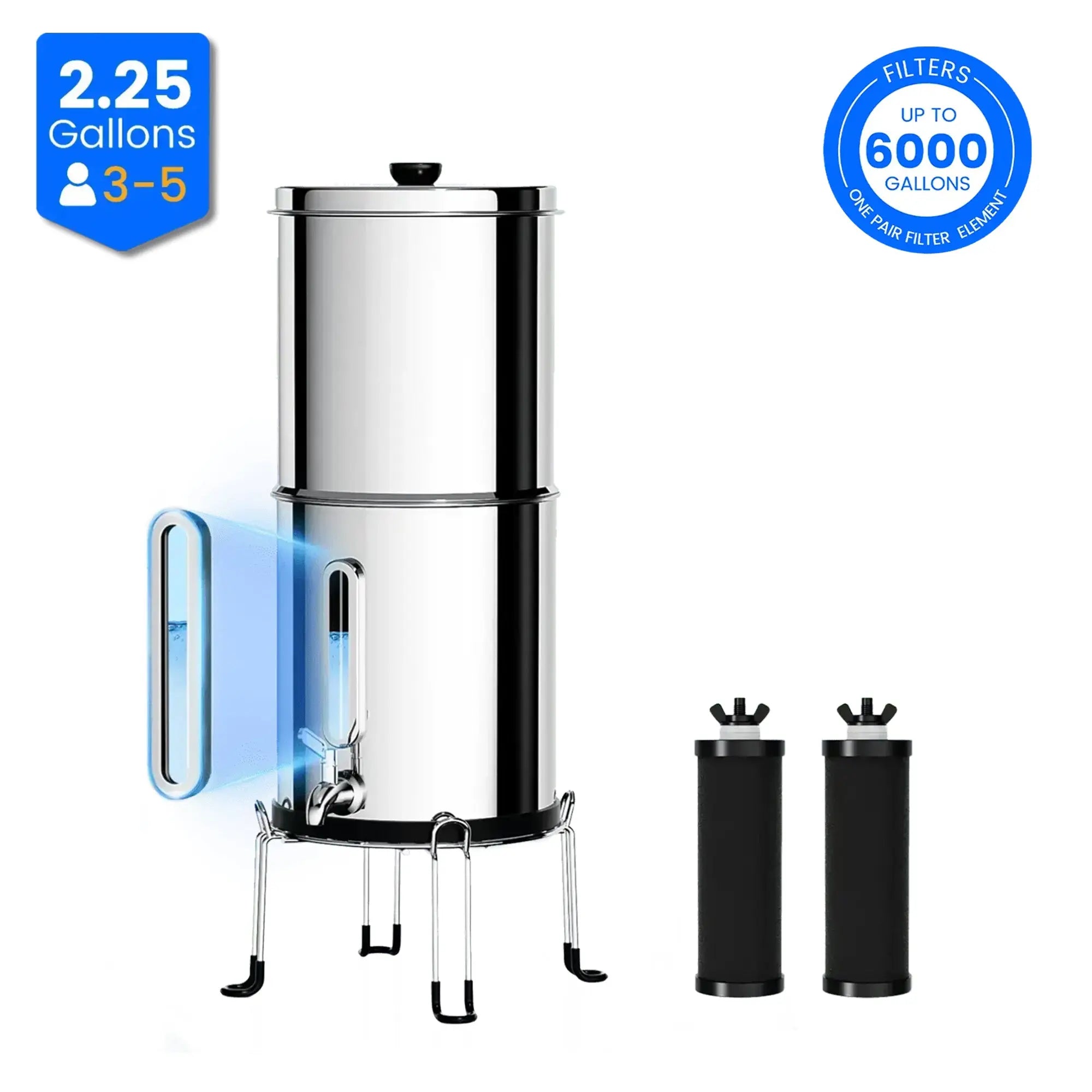
A countertop gravity water filtration system uses gravity to move water through filter elements. You pour water into the upper chamber, and filtered water collects in the lower chamber.
This type of system is useful because it does not require electricity, a water line, or permanent installation. It can work well for apartments, rental homes, kitchens, cabins, RV preparation, and emergency backup.
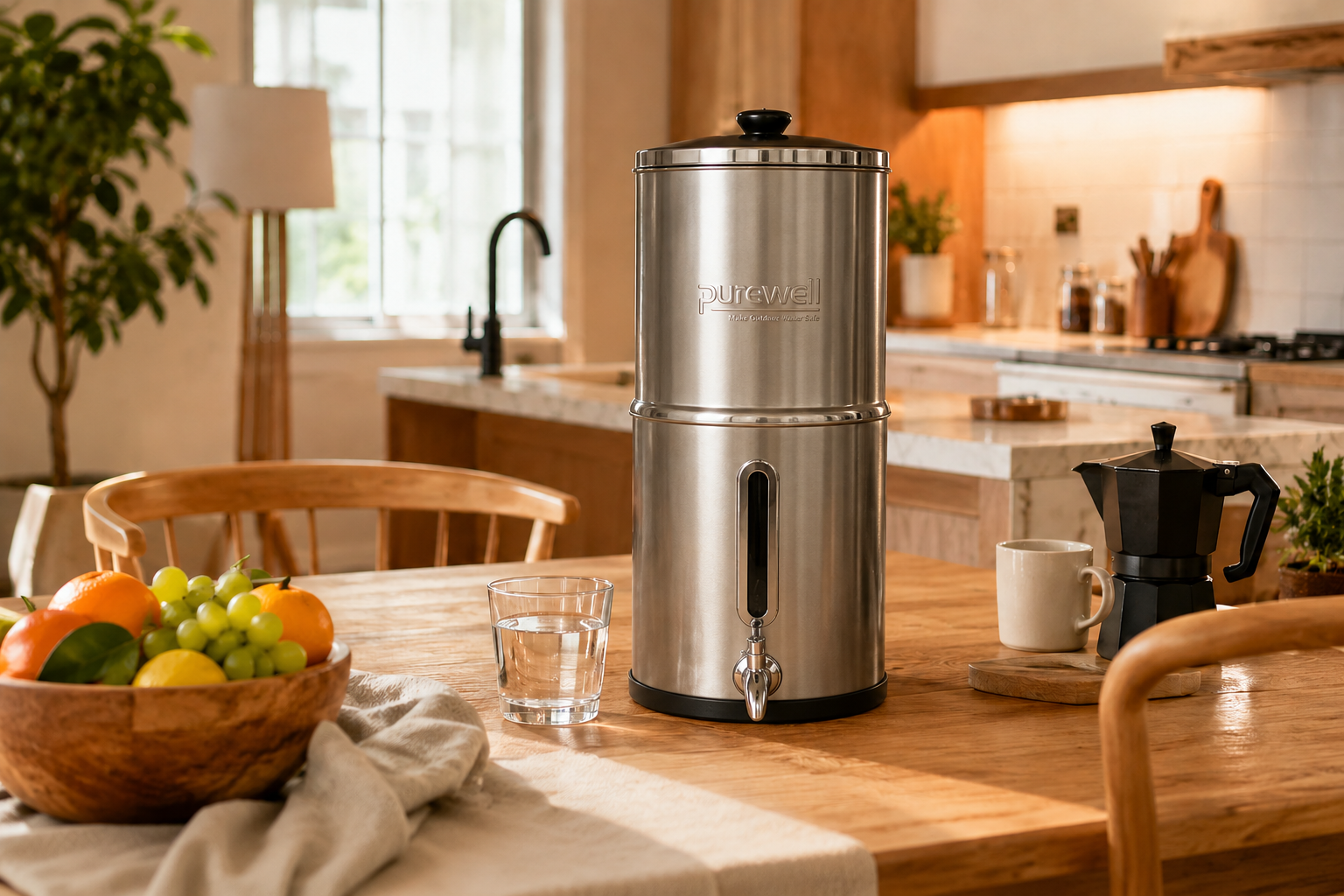
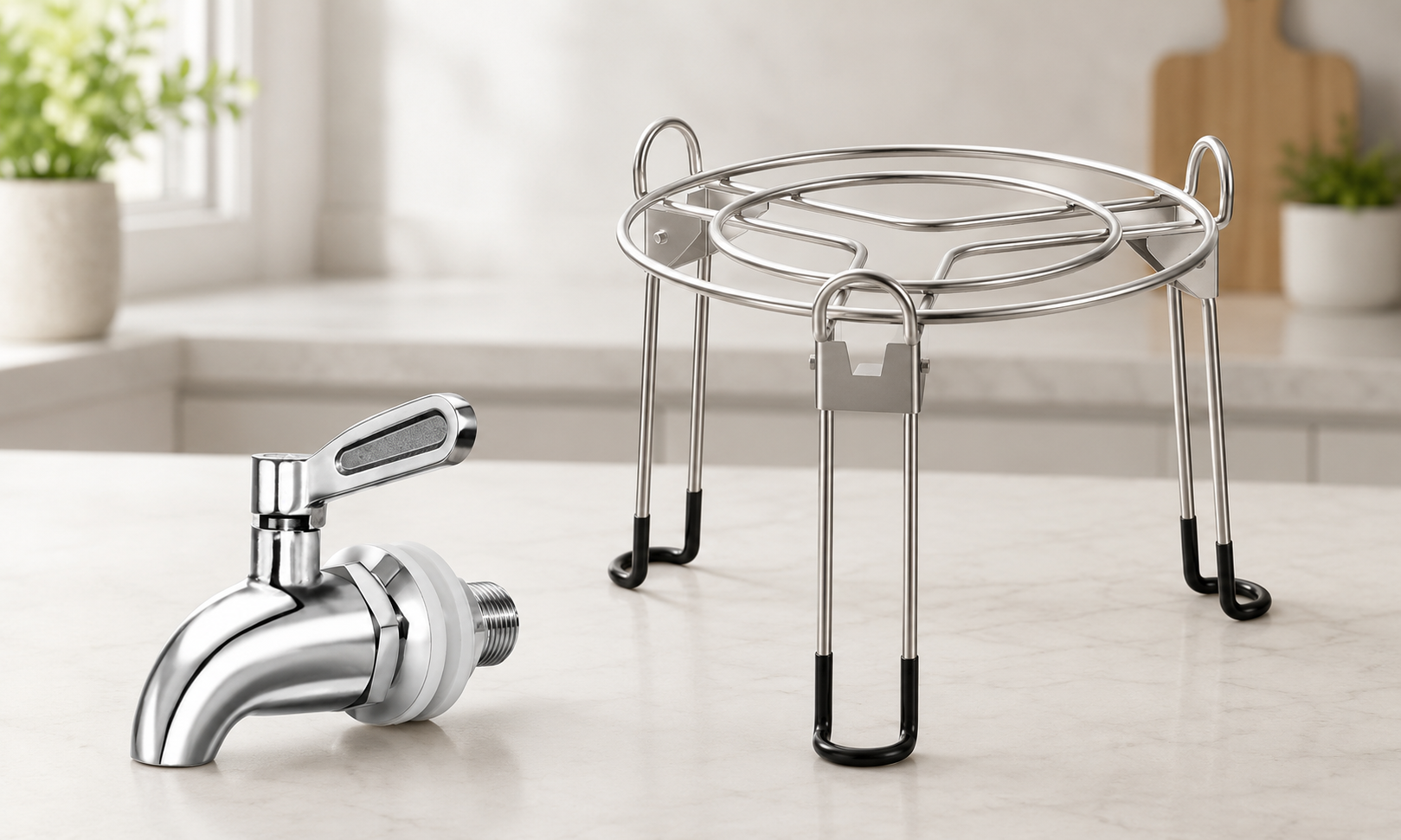
Purewell gravity water filter systems are designed for households that want a practical countertop drinking-water setup. For example, the Purewell SS Series Countertop Gravity Water Filter System 2.25 Gallon is designed for households that want a larger-capacity countertop option for daily drinking water. A compact system may fit smaller kitchens, while a larger-capacity system can reduce the need for frequent refilling.
Reverse Osmosis Water Filtration Systems
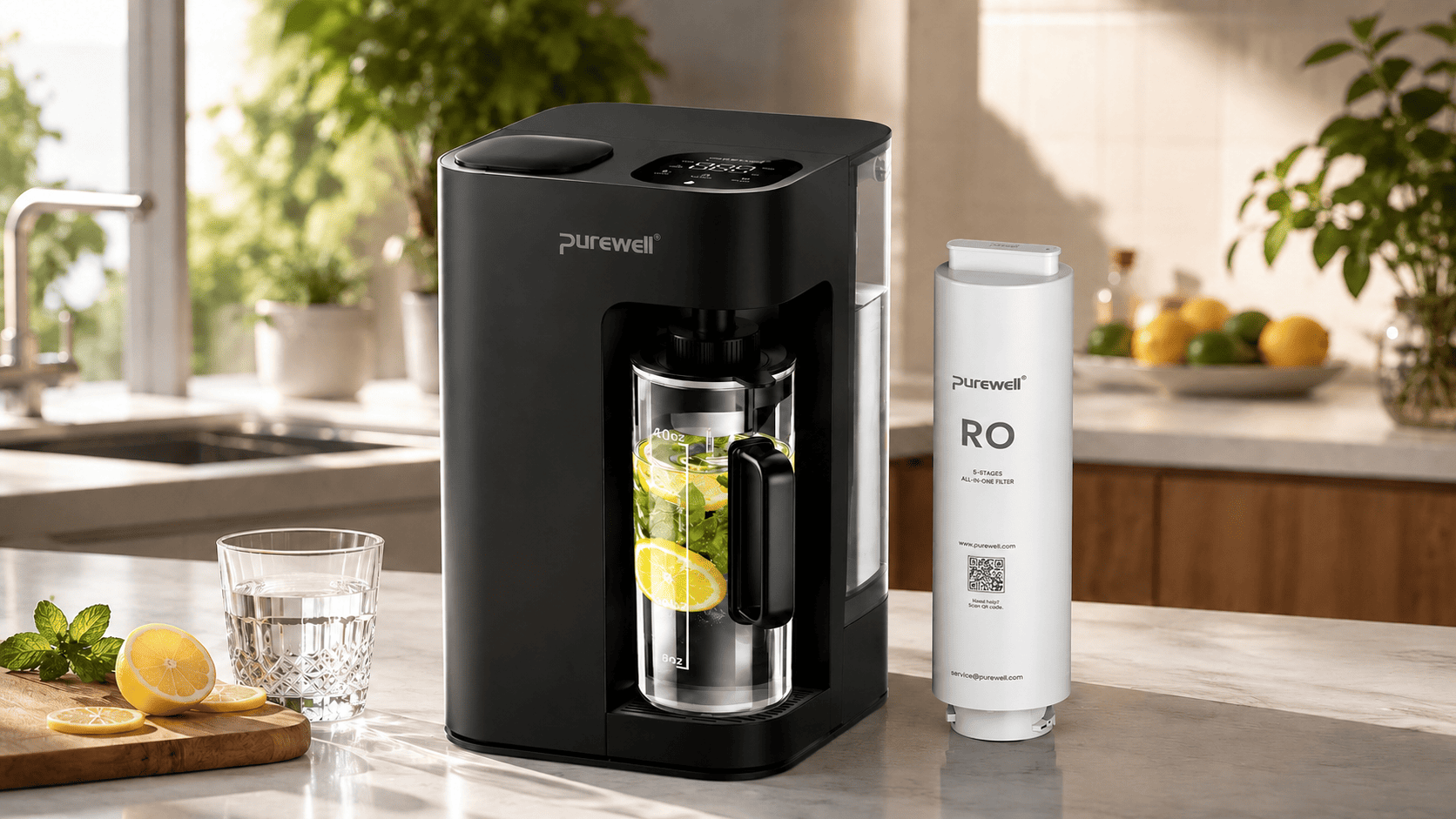
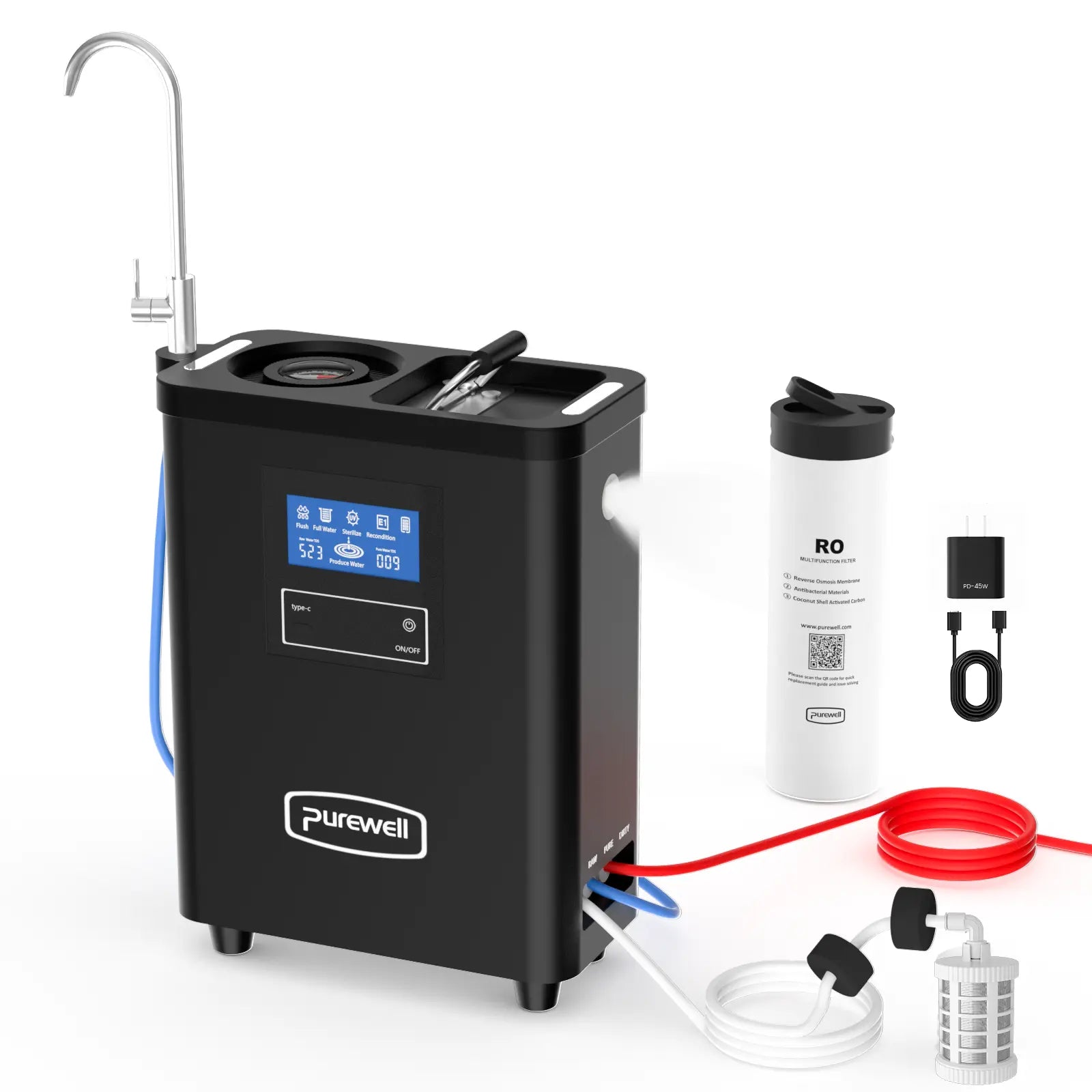
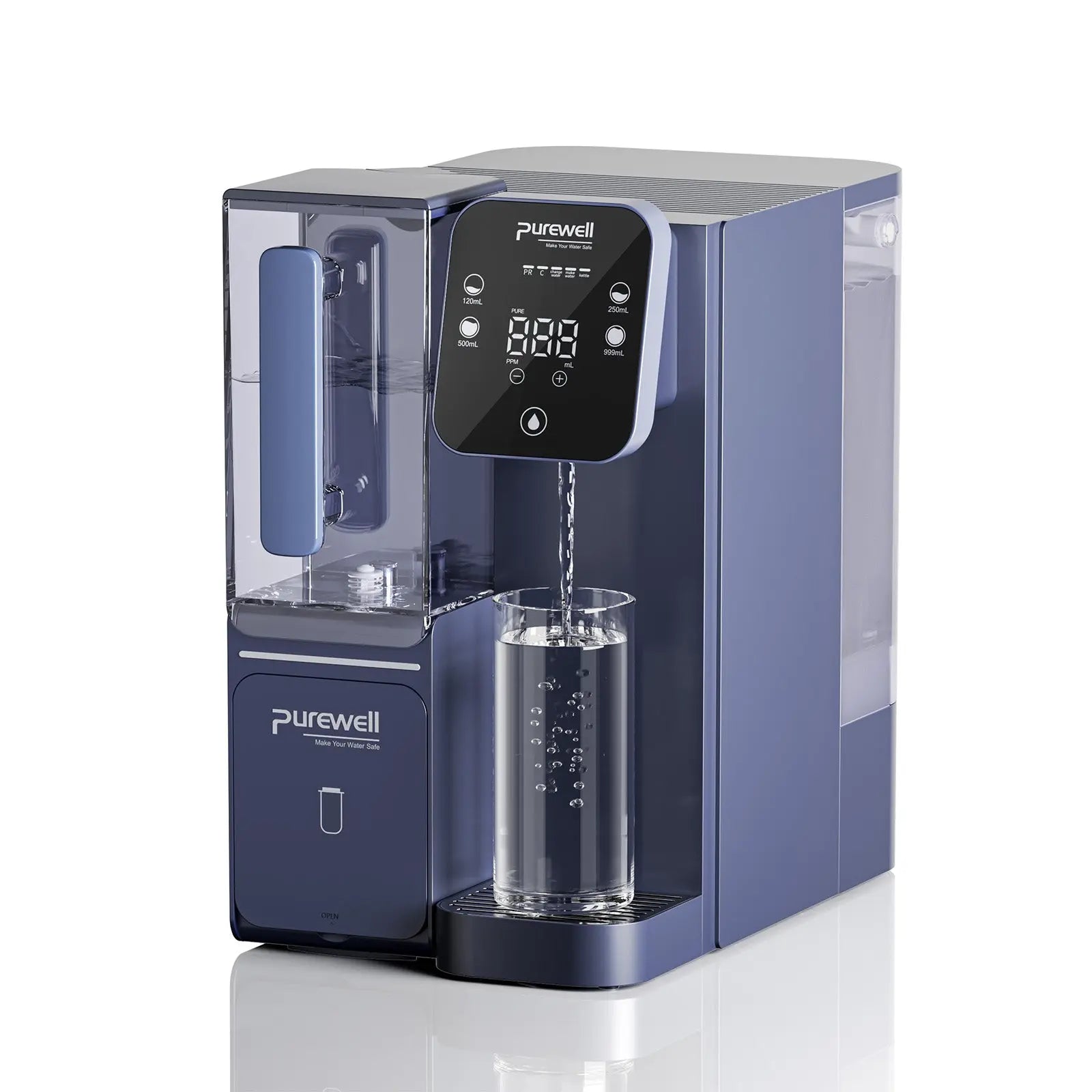
A reverse osmosis water filtration system uses an RO membrane to reduce many dissolved substances from drinking water. RO systems are commonly used under the kitchen sink and are often chosen by households that want more advanced filtration for drinking and cooking.
RO systems can be effective, but they are not always the simplest option. Before choosing one, check the installation requirements, water pressure needs, replacement filter schedule, and whether the system requires electricity.
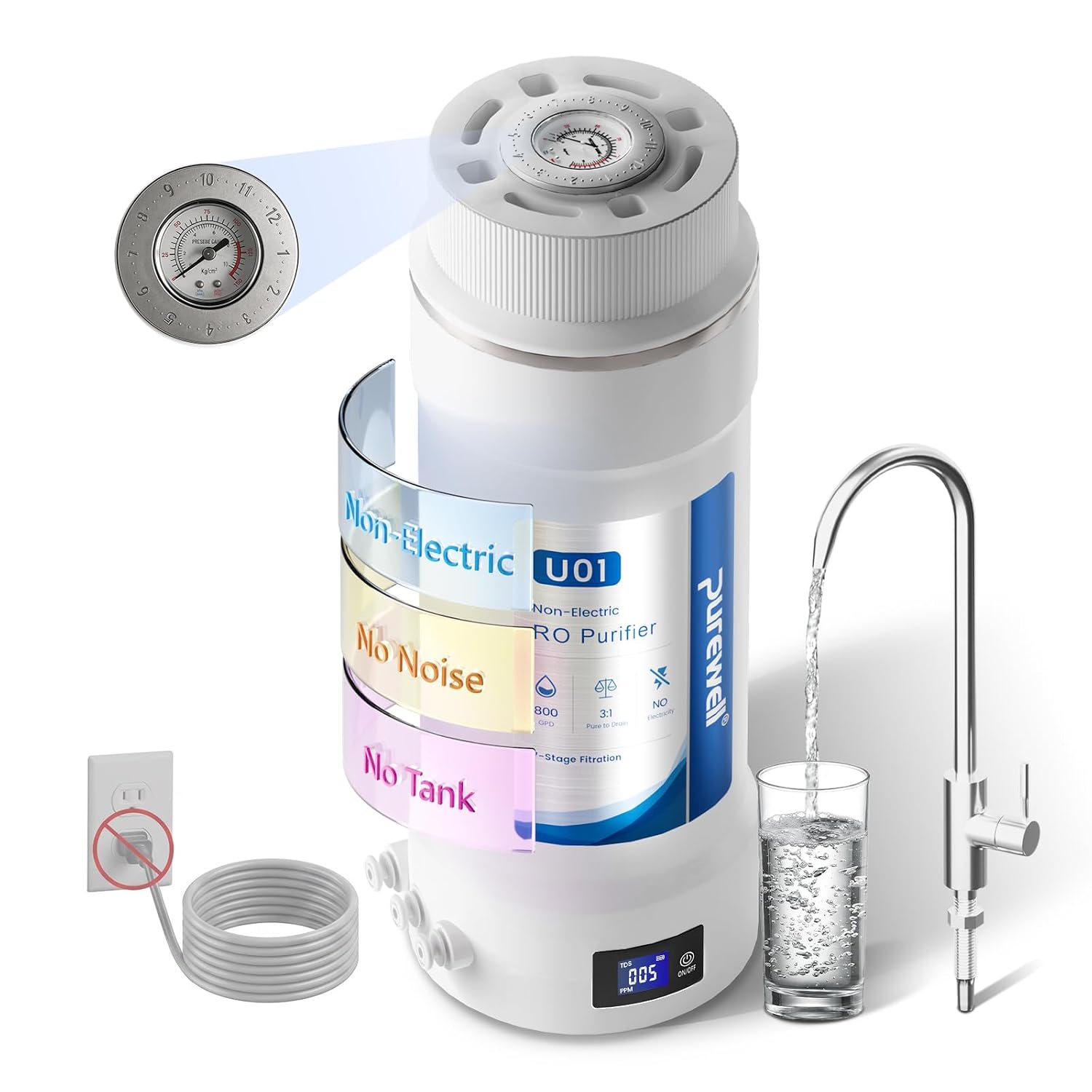
For homeowners who want under-sink RO filtration without relying on an electric-powered system, a non-electric RO system may be a practical option.
Whole House Water Filtration Systems
A whole house water filtration system treats water before it reaches faucets, showers, laundry, and appliances. This type of system may be useful for sediment, well-water concerns, or whole-home water treatment needs.
However, a whole house system is usually more expensive and more complex than a drinking-water system. If your main concern is drinking water, a countertop gravity system, under-sink filter, or RO system may be a more efficient first choice.
How to Choose the Right Water Filtration System
1. Identify Your Water Source
City water and private well water have different concerns. City water is treated before reaching your home, but taste, odor, chlorine, and plumbing-related issues may still affect your experience. Private well water is the homeowner’s responsibility, so testing is especially important.
If you use private well water, test it regularly and pay attention to changes in smell, taste, color, or clarity.
2. Decide What You Want to Improve
Some people want better-tasting drinking water. Others want to reduce sediment, chlorine odor, dissolved substances, or specific contaminants. Your filtration goal should guide the system you choose.
For everyday drinking water, a countertop gravity water filter may be enough. For dissolved substances, reverse osmosis may be more appropriate. For the entire home, consider a whole house system.
3. Consider Space and Installation
If you rent your home or do not want plumbing changes, a countertop gravity system is easier to set up. If you want a cleaner countertop and a permanent kitchen solution, an under-sink system may be better.
4. Check Capacity and Daily Water Use
A small household may not need the same capacity as a family that fills bottles, cooks frequently, and drinks filtered water throughout the day. Choose a system that can keep up with your daily routine.
5. Review Filter Replacement Requirements
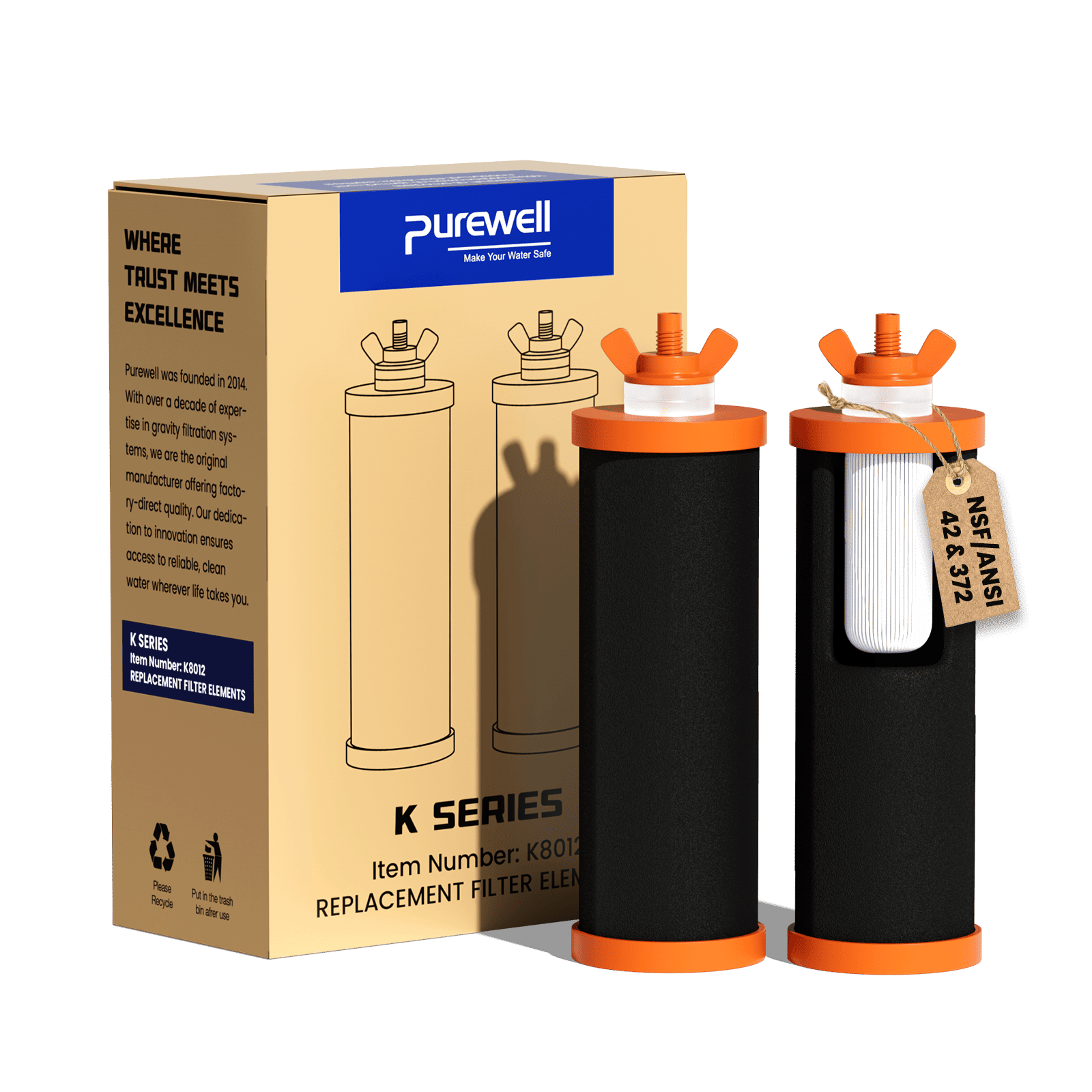
Every water filtration system requires maintenance. Before buying, check the replacement filter model, expected filter life, and replacement cost. Always use the correct replacement filters for your system.
Is a Gravity Water Filter Better Than Reverse Osmosis?
A gravity water filter is not automatically better than reverse osmosis, and reverse osmosis is not automatically better than gravity filtration. They solve different problems.
A gravity water filter is better when you want a simple, non-electric, countertop drinking-water system. Reverse osmosis is better when your priority is deeper reduction of dissolved substances and you are comfortable with installation and maintenance requirements.
Which Water Filtration System Is Best for Purewell Customers?
For many Purewell customers, the most practical starting point is a countertop gravity water filter system. It is easy to use, does not require electricity, and provides filtered water for daily drinking, cooking, coffee, and backup use.
If you want a more permanent under-sink setup, Purewell’s non-electric RO system may be a better fit. If you need water filtration for travel, camping, or emergency preparation, a portable system may be the better choice.
Final Recommendation
If you want a simple home drinking-water solution, start with a countertop gravity water filtration system. If you need deeper dissolved-substance reduction, compare reverse osmosis systems. If your whole home has water-quality issues, consider a whole house system after testing your water.
The best water filtration system is the one that matches your actual water source, filtration goal, space, and daily water use.
FAQ
What is the best water filtration system for home use?
The best water filtration system depends on your water source and filtration goal. For everyday drinking water, a countertop gravity water filter or under-sink system may be practical. For deeper dissolved-substance reduction, reverse osmosis may be better.
What is the easiest water filtration system to install?
A countertop gravity water filter is one of the easiest systems to install because it does not require electricity, plumbing, or permanent changes to your kitchen.
Do I need a whole house water filtration system?
You may need a whole house system if you want to treat water for the entire home, including showers, laundry, and appliances. If your main concern is drinking water, a countertop or under-sink system may be more practical.
Is reverse osmosis better than a gravity water filter?
Reverse osmosis and gravity filtration are designed for different needs. RO is often used for deeper drinking-water filtration, while gravity systems are valued for simplicity, portability, and non-electric operation.
Should I test my water before buying a filtration system?
Testing is recommended if you use private well water, notice unusual taste or odor, or have a specific water-quality concern. Test results help you choose the right filtration system.
Does a countertop gravity water filter need electricity?
No. A countertop gravity water filter uses gravity to move water through the filter elements and usually does not require electricity or plumbing.