Emergency Drinking Water at Home: Where a Portable RO Purifier Fits
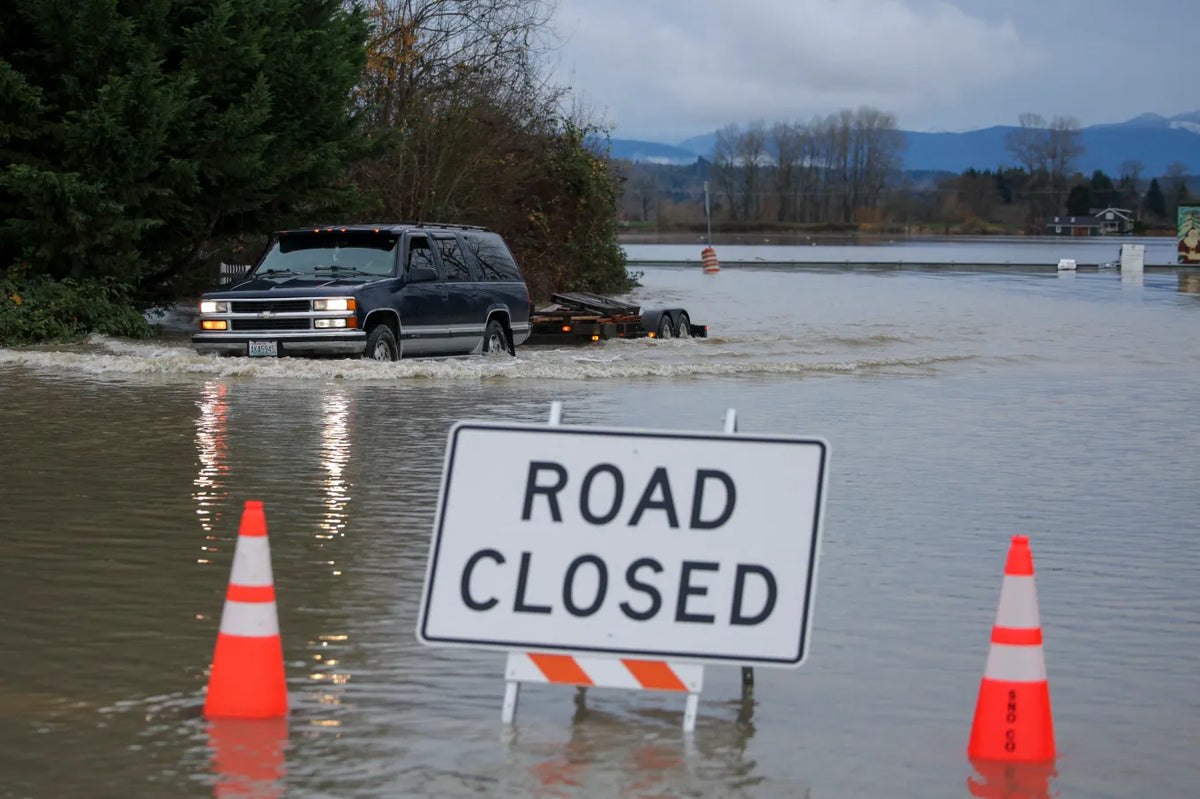
Store safe drinking water before an emergency. A portable reverse osmosis (RO) purifier can serve as a backup for water sources covered by its operating instructions and permitted under local guidance. In the United States, a severe storm, flood, or water main break can interrupt service or trigger a drinking water advisory. Start with enough stored water for your household, then decide how a portable purifier fits into your plan.
How Much Emergency Water Should You Store?
The U.S. Centers for Disease Control and Prevention (CDC) recommends storing at least 1 gallon per person per day for 3 days for drinking and sanitation. A family of four needs at least 12 gallons for three days. The CDC suggests aiming for a two-week supply when possible and considering extra water for pets, hot weather, and household members with additional needs. CDC guidance on creating an emergency water supply
Keep commercially bottled water on hand or store safe water in clean, food-grade containers with tight-fitting lids. Store your supply in a cool place away from direct sunlight and household chemicals. Track bottled-water expiration dates and replace water you fill yourself every six months. CDC storage and replacement guidance
When Is a Portable RO Purifier Useful in an Emergency?
A portable RO purifier can be useful when you are temporarily away from home or using a backup location with a water source that meets the purifier's instructions. RO uses pressure to move water through a membrane and can reduce certain dissolved substances. Check the performance documentation for the exact model and the specific contaminant you want to reduce. NSF/ANSI 58 treats total dissolved solids (TDS) reduction and optional contaminant reduction claims as distinct performance claims. NSF guidance on RO performance claims
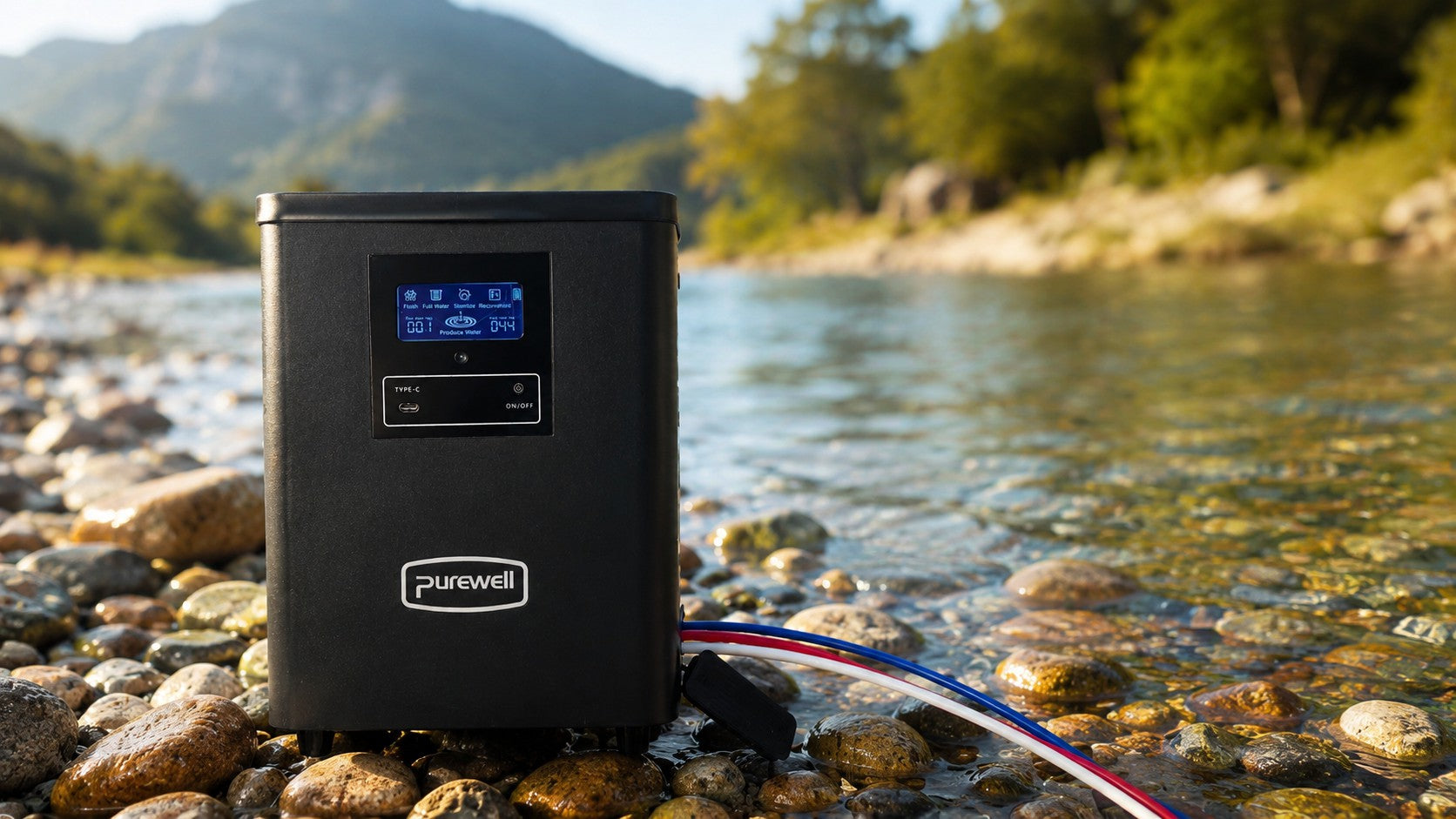
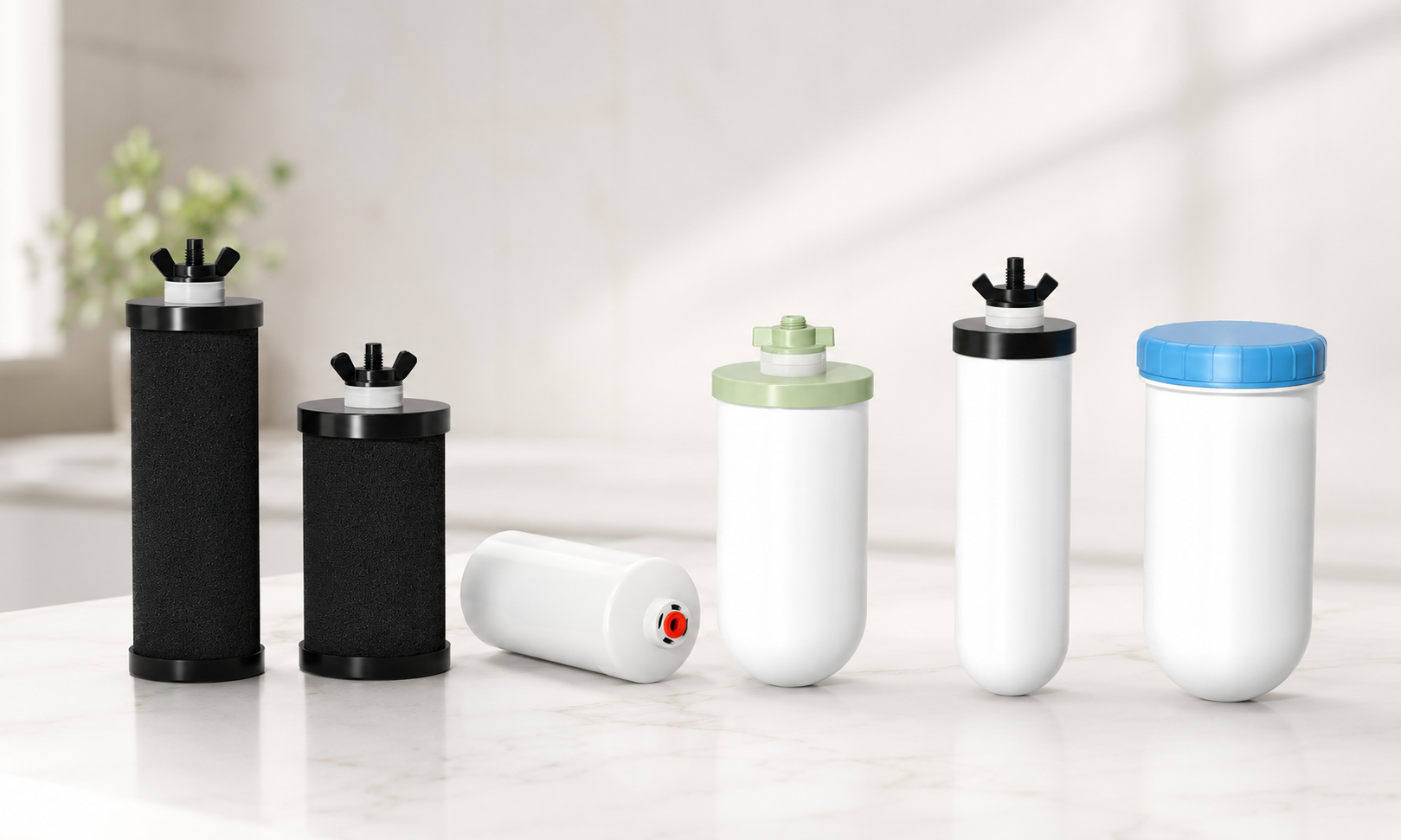
For a portable setup, review the source-water instructions, power requirements, and replacement filter options for the Purewell Portable RO Water Purifier System (K8680). Practice setting it up with a supported water source before you need it. Keep a clean collection container and compatible replacement filters with the unit, and check how you will power it during an outage.
What Should You Do During a Drinking Water Advisory?
Check your water utility's or health department's notice before using tap water. The instructions depend on the type of advisory. CDC guide to drinking water advisories
- Boil water advisory: Use bottled water or follow the advisory's boiling instructions. Follow those instructions even if you normally filter your tap water.
- Do not drink advisory: Use bottled water or another source identified as safe by local officials for drinking and cooking. Follow the notice for other household uses.
- Do not use advisory: Avoid using the affected tap water and follow local instructions on which alternative supplies to use.
How to Prepare Before the Water Goes Out
- Calculate your reserve. Multiply the number of people in your household by the number of days you are planning for, using at least one gallon per person per day. Add water for pets and other household needs.
- Identify a backup source. Find out where your utility or local emergency management agency posts advisories and announces drinking water distribution.
- Check your filtration setup. Review the water sources your purifier supports, confirm how you will power it, and keep the instructions and compatible filters with your supplies.
Frequently Asked Questions
Can a portable RO purifier replace stored emergency water?
Keep a stored supply. A purifier depends on access to a suitable source, functioning filters, and the power its model requires. Stored water is available immediately while you check local advisories or arrange an alternative supply.
Can I use a portable RO purifier on pool water or floodwater?
Use a drinking water source identified as safe by local officials. Reserve pool water for appropriate non-drinking tasks. Avoid drinking floodwater, which can contain sewage and chemicals. A low TDS reading cannot verify microbiological or chemical safety. CDC guidance on emergency water sources