
Clean Drinking Water: What's in Your Tap Water and How Filtration Works
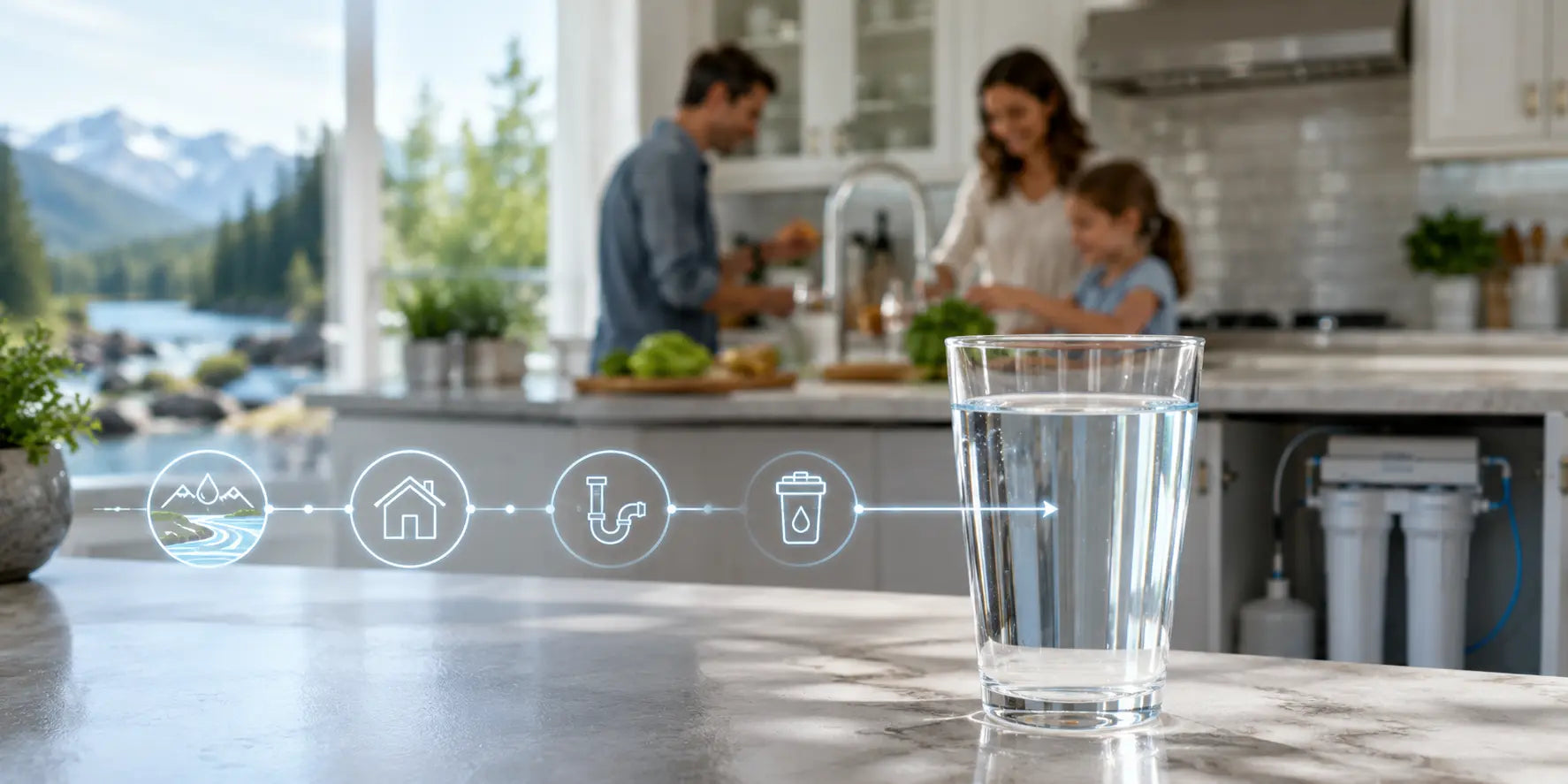
Clean drinking water is something many of us take for granted. We turn on the tap, fill a glass, and expect the water to be safe, fresh, and ready to drink.
But water quality can vary depending on where you live, how your water is treated, and the condition of the pipes and plumbing it travels through before reaching your home. Understanding what may be in your water—and how water filtration works—can help you make more informed decisions about the water your household drinks and uses every day.
🚰 Looking for an Instant Solution for Clean Water? Protect your family from unwanted contaminants and enjoy cleaner, better-tasting water with Purewell Portable & Gravity RO Water Filter Systems. Whether you are looking for a convenient solution for everyday drinking water, a reliable option for your home, or a portable system for emergencies and outdoor use, Purewell offers water filtration solutions designed for different household needs.
SHOP BEST-SELLING RO SYSTEMS →

🎁 Exclusive Offer for Readers: Use code PURE15 at checkout to get 15% OFF your order.
- Why Does Clean Drinking Water Matter?
- What Can Be Found in Drinking Water?
- Microbial Contaminants in Drinking Water
- Chemical Contaminants and Water Quality
- Heavy Metals and Other Contaminants
- How Water Quality Can Affect Everyday Life
- How Can You Improve Your Drinking Water?
- Gravity Filtration, Reverse Osmosis, and Other Treatment Methods
- Choosing the Right Water Filtration System
- Maintaining Your Water Filtration System
- Final Thoughts
- Frequently Asked Questions
1. Why Does Clean Drinking Water Matter?
Water is essential for nearly every function in the human body. We use it to drink, cook, prepare beverages, wash food, and do many other everyday activities. Because water plays such an important role in daily life, the quality of the water we consume matters.
Even when tap water meets local drinking water standards, households may still have questions about taste, odor, sediment, or potential contaminants that can enter water through plumbing, storage, or other parts of the distribution system. A home water filtration system can add an extra treatment step and help households take greater control of the water they use every day.
2. What Can Be Found in Drinking Water?
Many factors can influence the quality of drinking water. Depending on the water source and local conditions, water may contain naturally occurring minerals, sediment, microorganisms, or other substances. Some contaminants may come from the original water source, while others can enter water during treatment, transportation, storage, or through household plumbing.
Common categories of substances that people consider when evaluating drinking water include:
- Sediment and particles
- Microorganisms
- Chlorine and compounds associated with water treatment
- Heavy metals
- Certain chemicals
- Unwanted tastes and odors
- Other dissolved or suspended substances
The specific contaminants present in water vary by location, water source, and household conditions. For this reason, understanding your local water quality is an important first step when choosing a filtration method.
3. Microbial Contaminants in Drinking Water
Microbial contaminants can include bacteria, viruses, and other microorganisms. Public water systems generally use treatment processes designed to control microbial risks. However, concerns about water quality can still arise in situations involving private wells, emergency water supplies, aging infrastructure, or other unusual conditions.
Different water treatment technologies address microorganisms in different ways. When choosing a filtration system, it is important to understand exactly what the system is designed and tested to reduce rather than assuming that every filter removes every type of contaminant.
4. Chemical Contaminants and Water Quality
Water can contain different chemical substances depending on its source and surrounding environment. Some substances occur naturally, while others may be associated with agricultural activity, industrial processes, household plumbing, or water treatment.
Chlorine, for example, is commonly used by water utilities as part of the disinfection process. Although it plays an important role in maintaining water safety, some people prefer filtered water because they dislike the taste or odor associated with chlorine. Water filtration can help address certain unwanted substances, but no single filtration technology is designed to remove everything.
5. Heavy Metals and Other Contaminants
Heavy metals are another category of contaminants that can receive attention when discussing household drinking water. Lead, for example, can potentially enter water through certain plumbing components or service lines.
Other substances may also be present depending on the local water source and infrastructure. If you are concerned about a particular contaminant, consider reviewing your local water quality report or having your water tested. This can help you determine which filtration technology is appropriate for your specific situation.
6. How Water Quality Can Affect Everyday Life
Water quality is not only about safety. It can also affect the everyday experience of using water. Many households notice differences in:
- Taste and Odor
- Appearance (Sediment or Mineral buildup)
- The taste of coffee, tea, and other beverages
- Cooking and food preparation
For people who regularly drink filtered water, improving taste and odor can make it easier and more enjoyable to stay hydrated throughout the day. A suitable home filtration system can therefore be part of a broader approach to improving the everyday quality of drinking water.
7. How Can You Improve Your Drinking Water?
There is no single solution that is right for every household. The best approach depends on your water source, the contaminants you are concerned about, your available space, how much water you need, and whether you want a portable or permanently installed system. Common household water treatment options include:
- Faucet Filters: Attach directly to a kitchen faucet and can provide filtered water without requiring a separate countertop appliance.
- Under-Sink Filtration Systems: Installed below the kitchen sink and designed to provide filtered water through a dedicated faucet.
- Countertop Water Filters: Convenient for households that want a filtration system without a complicated installation.
- Gravity Water Filters: Use gravity to move water through one or more filtration stages. They generally do not require electricity.
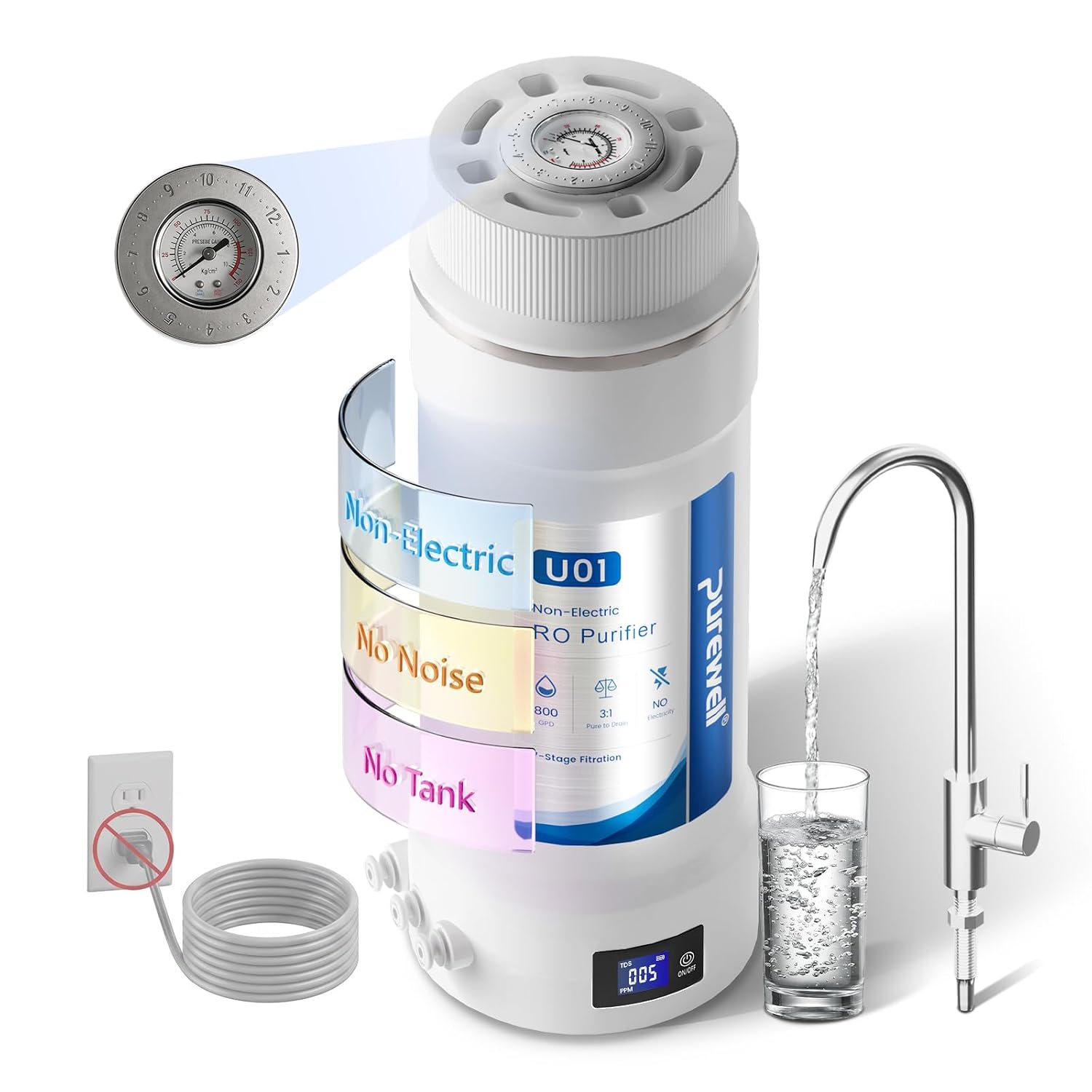
- Reverse Osmosis Systems (RO): Use a semipermeable membrane as part of the filtration process to reduce a broad range of dissolved substances.
8. Gravity Filtration, Reverse Osmosis, and Other Treatment Methods
Different filtration technologies work in different ways. Gravity filtration relies on gravity to move water through filter media. Reverse osmosis uses pressure to push water through a semipermeable membrane. Other technologies may use activated carbon, sediment filtration, ion exchange, or combinations of multiple filtration methods.
The most important thing is to choose a system based on the contaminants you want to address and the performance claims supported by the manufacturer.
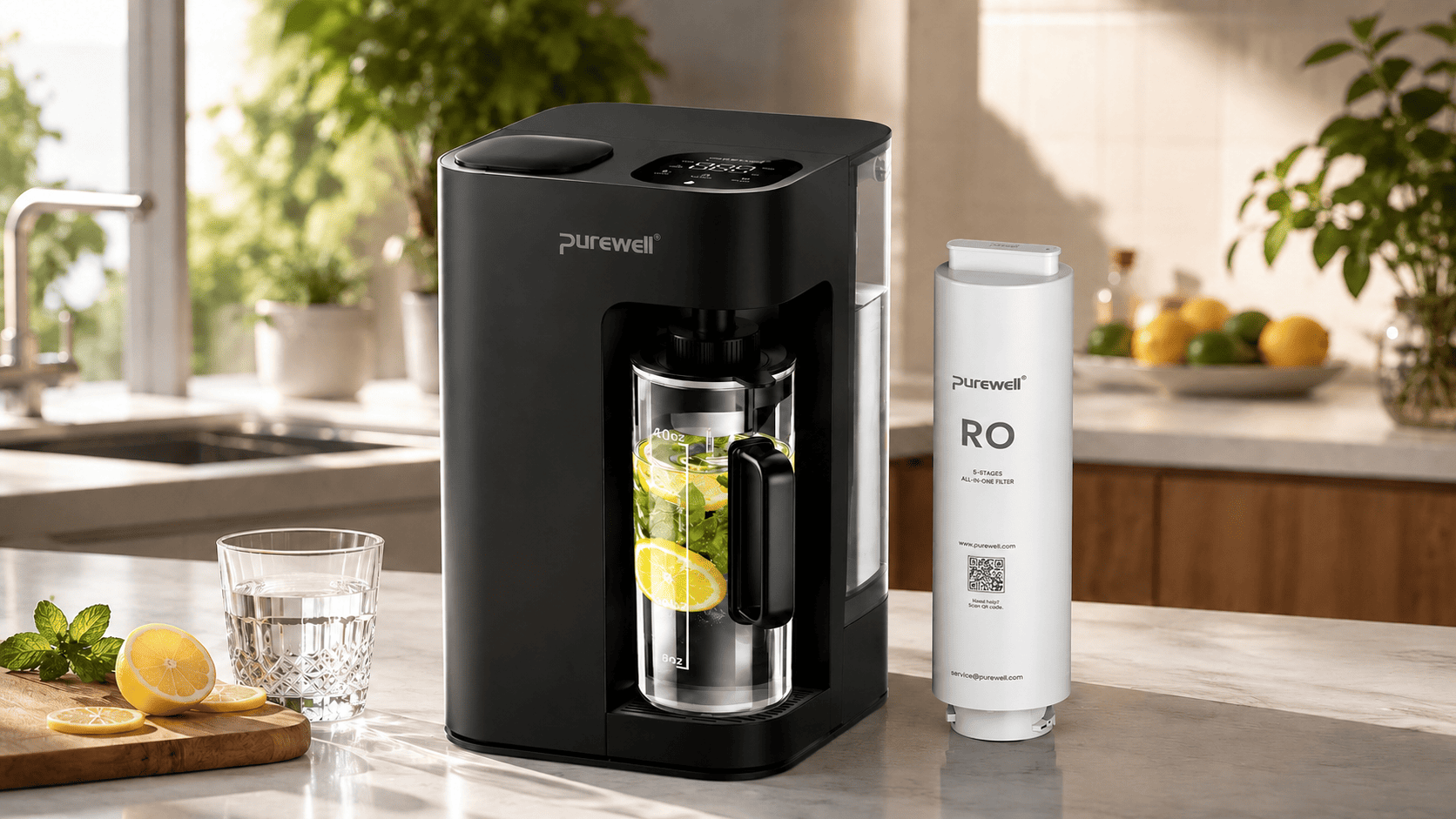
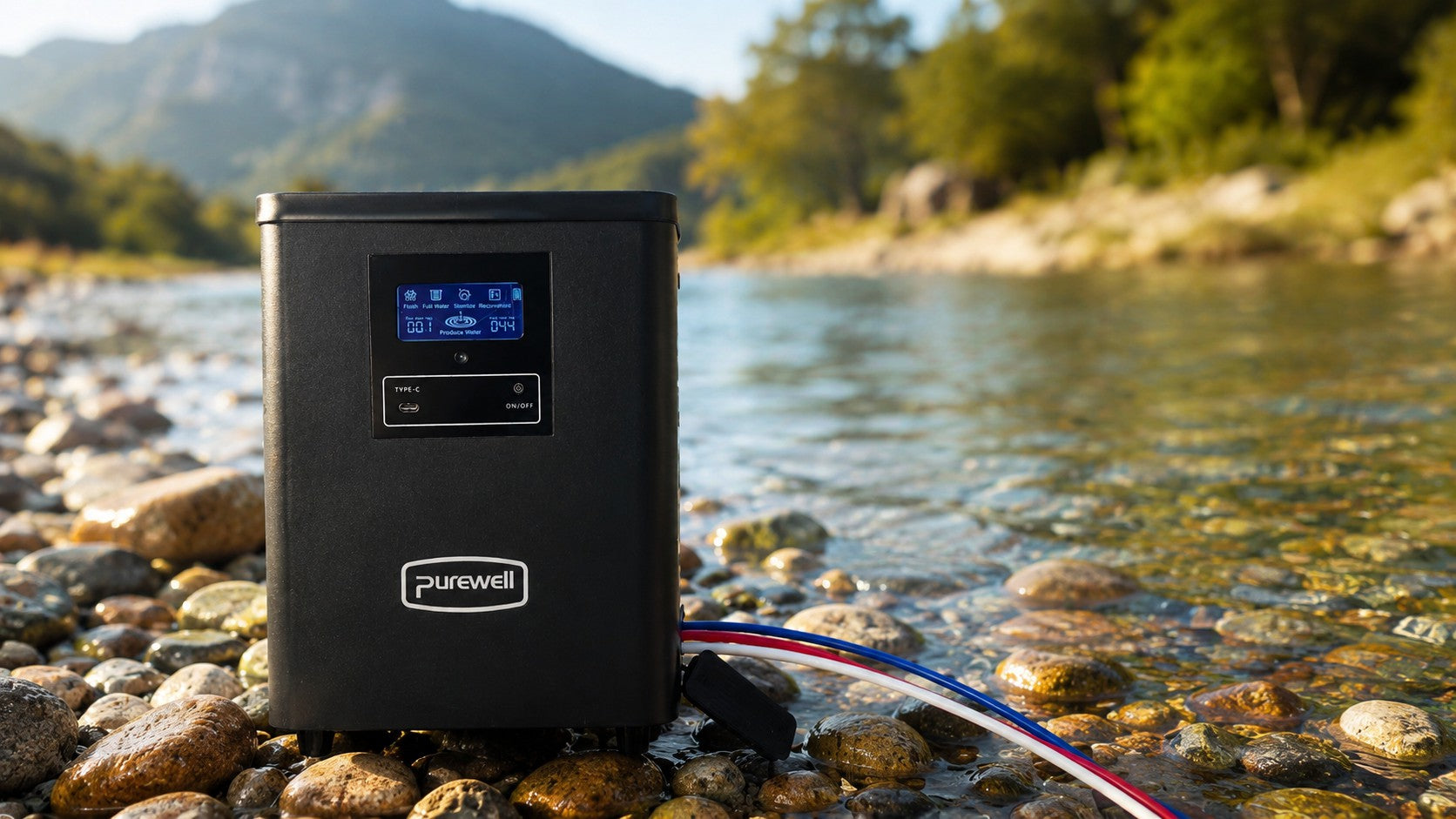
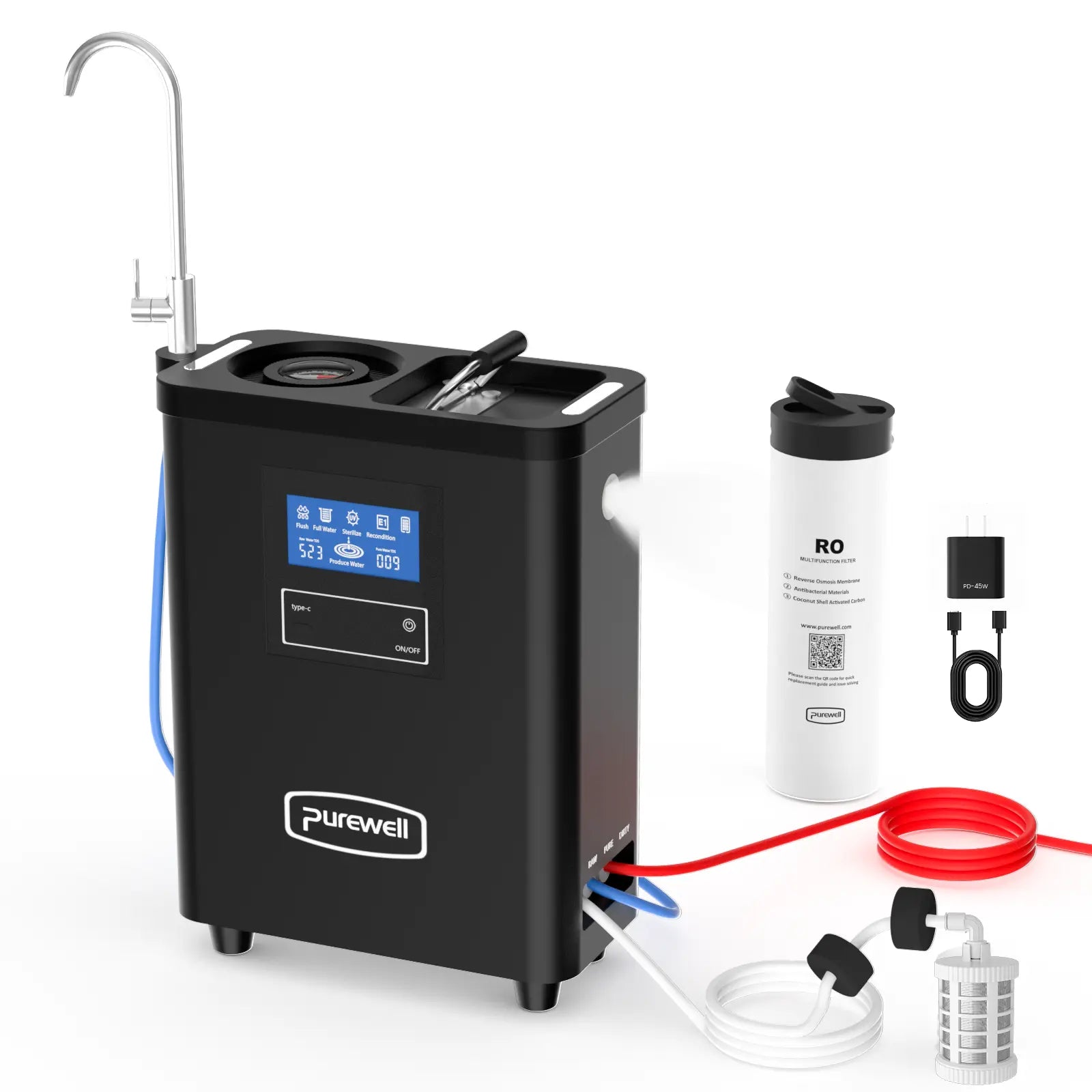
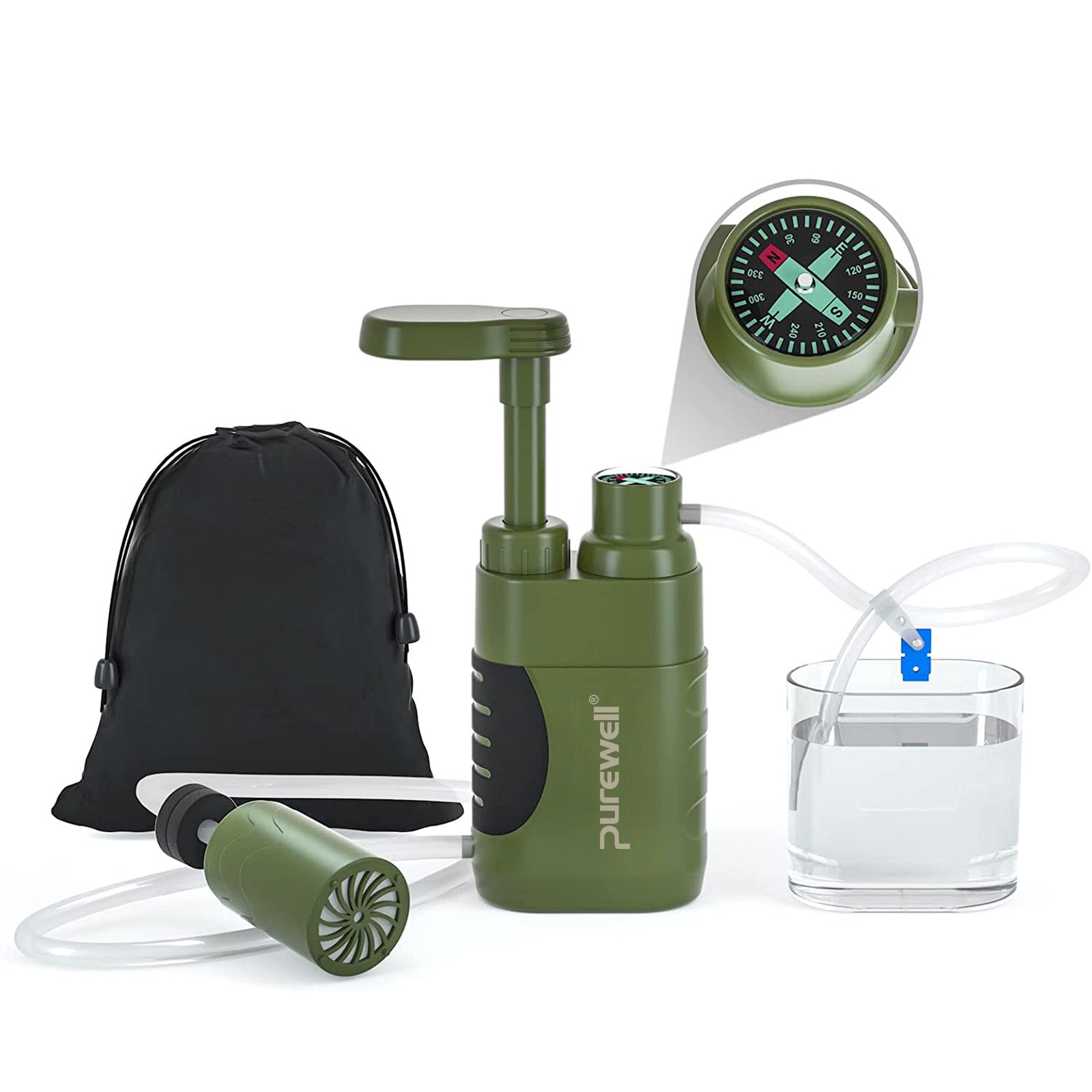
💧 Featured Choice: Purewell Portable RO Water Filter System
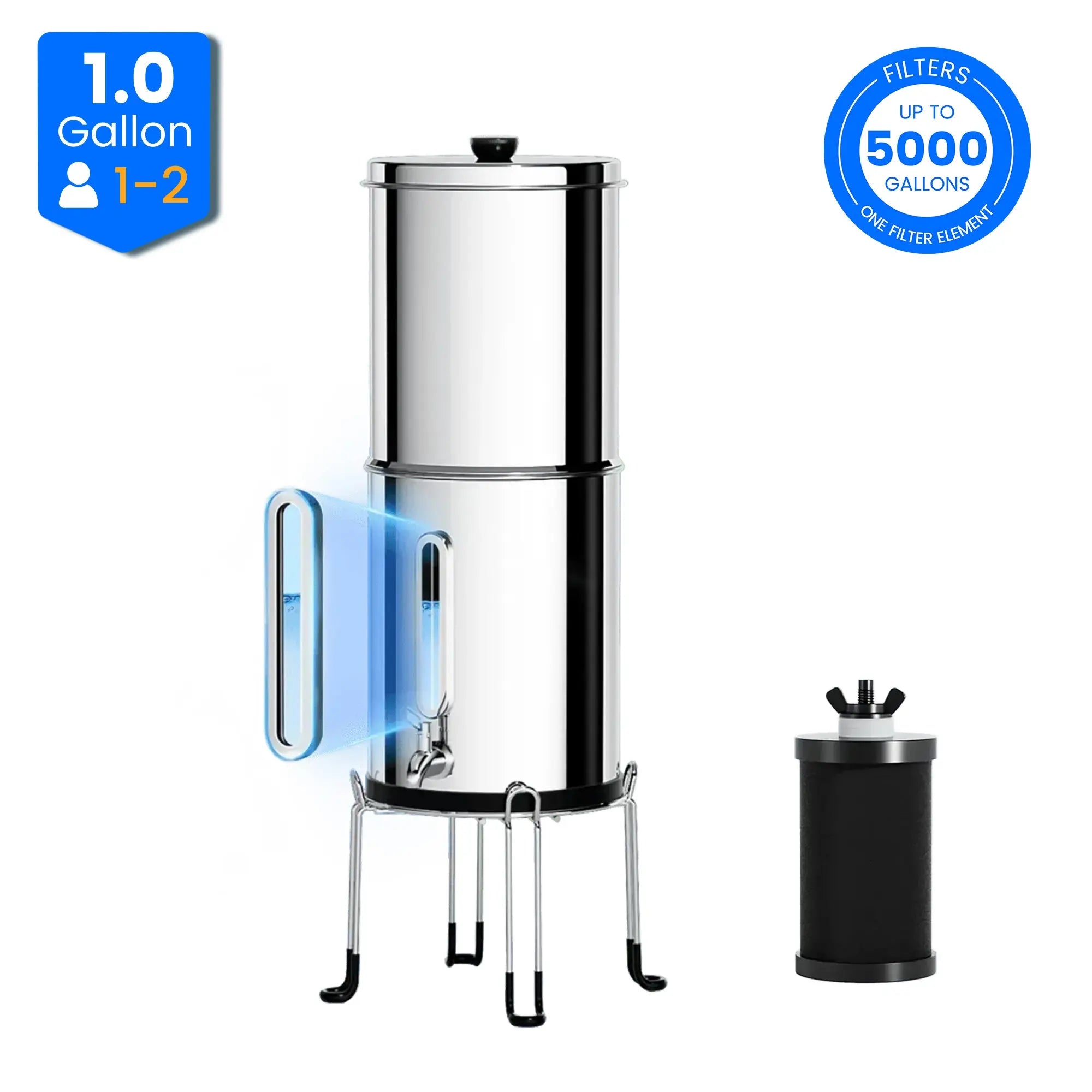
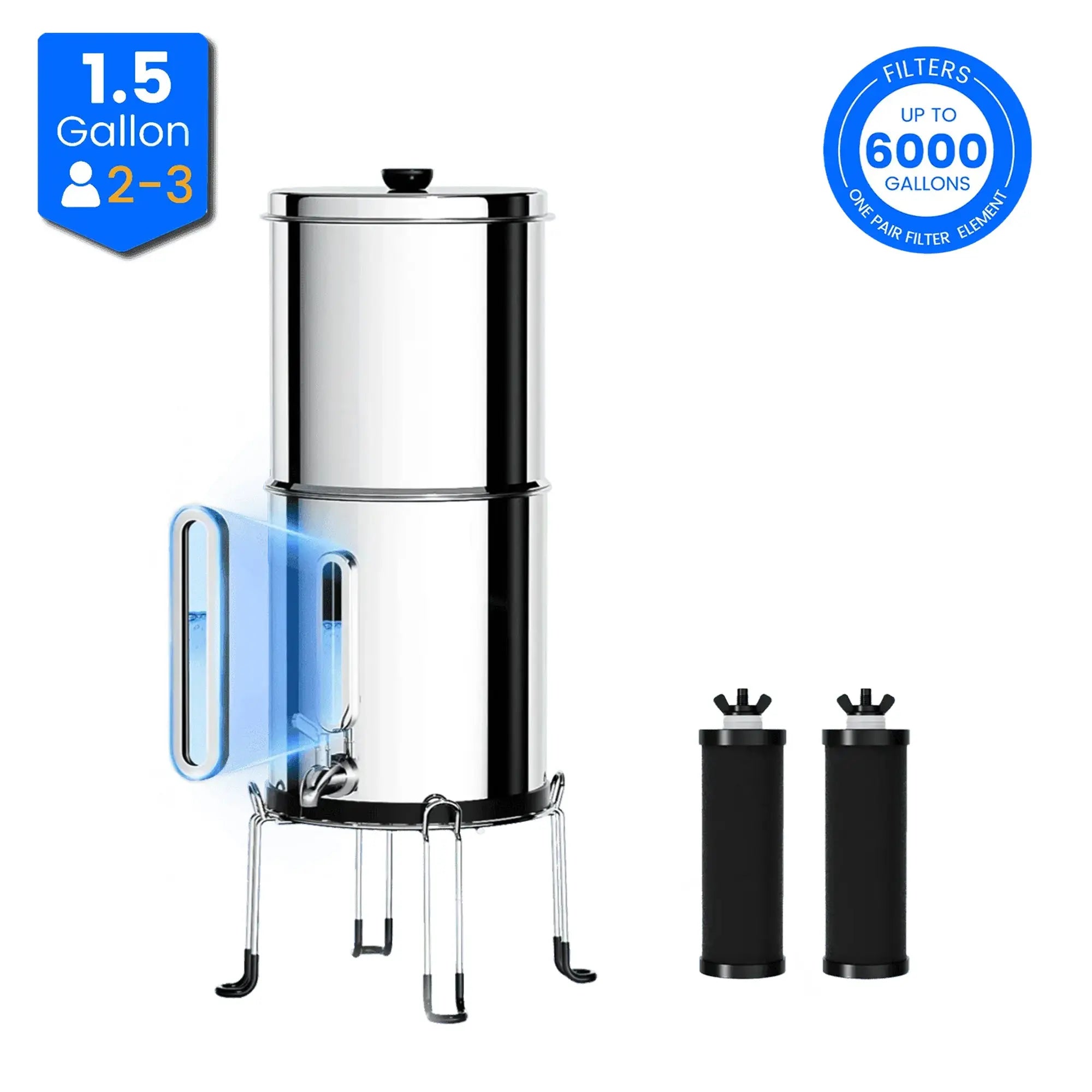
Looking for a convenient water filtration solution for your home or on the go? The Purewell Portable RO Water Filter System is designed for convenient filtration without requiring a complicated permanent installation.
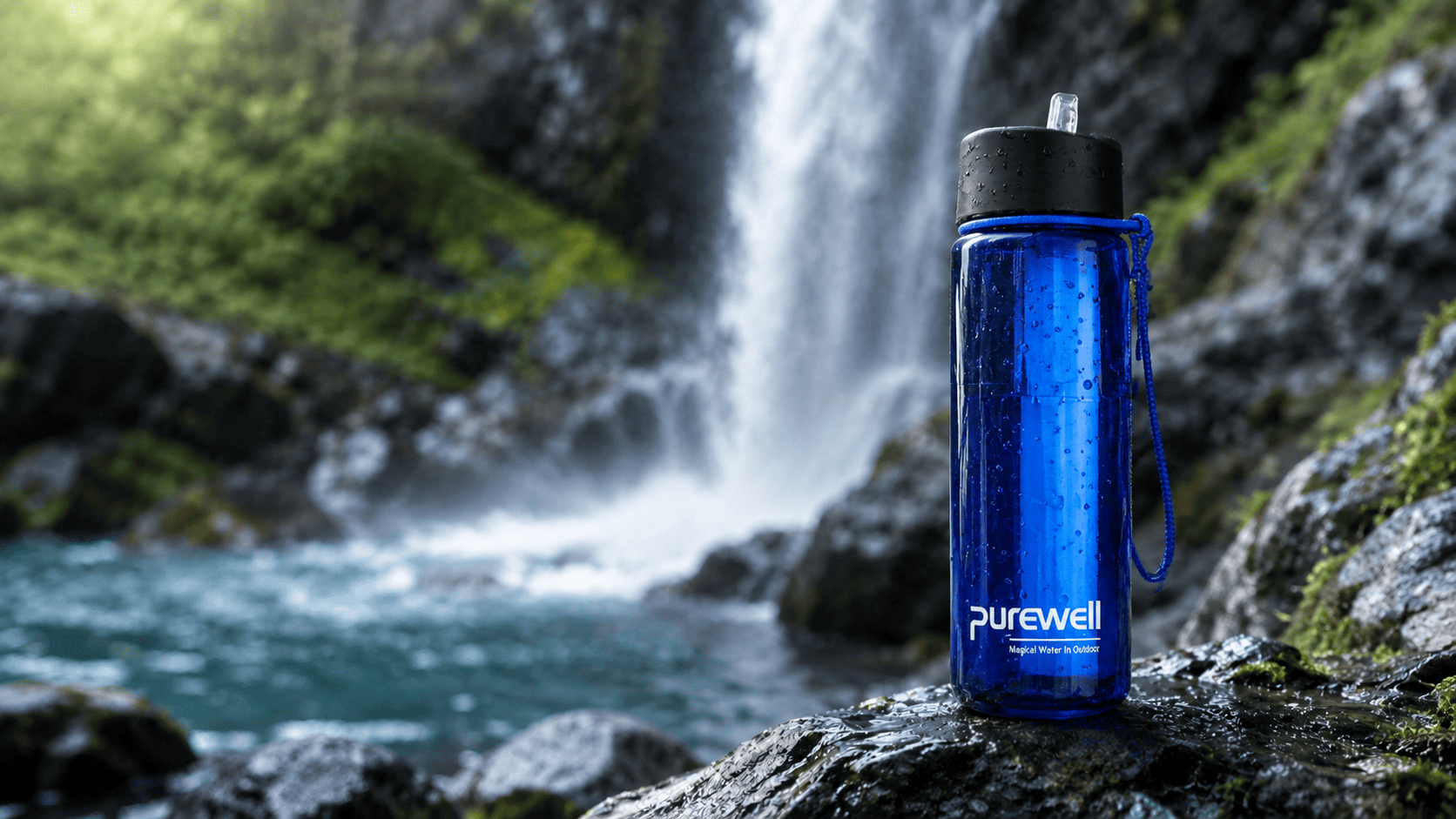
Its portable design makes it a practical option for everyday use, emergencies, travel, camping, and other situations where convenient access to filtered water is important.
Why consider a Portable RO System?
- Portable and convenient design suitable for home and on-the-go use
- No complicated installation or electricity required
- Practical for emergencies and outdoor activities
9. Choosing the Right Water Filtration System
Before purchasing a water filter, consider the following questions:
- What is in your water? Review your local water quality report or have your water tested.
- What contaminants do you want to reduce? Look for products with testing or certification information that supports the claims relevant to your needs.
- How much filtered water do you need? Consider both daily drinking and cooking requirements.
- Do you need a portable system? If you travel, camp, or move between locations, portability is key.
- Do you want a system that works without electricity? Gravity-fed systems are great for this.
- How much space do you have? Consider countertop, under-sink, and portable space requirements.
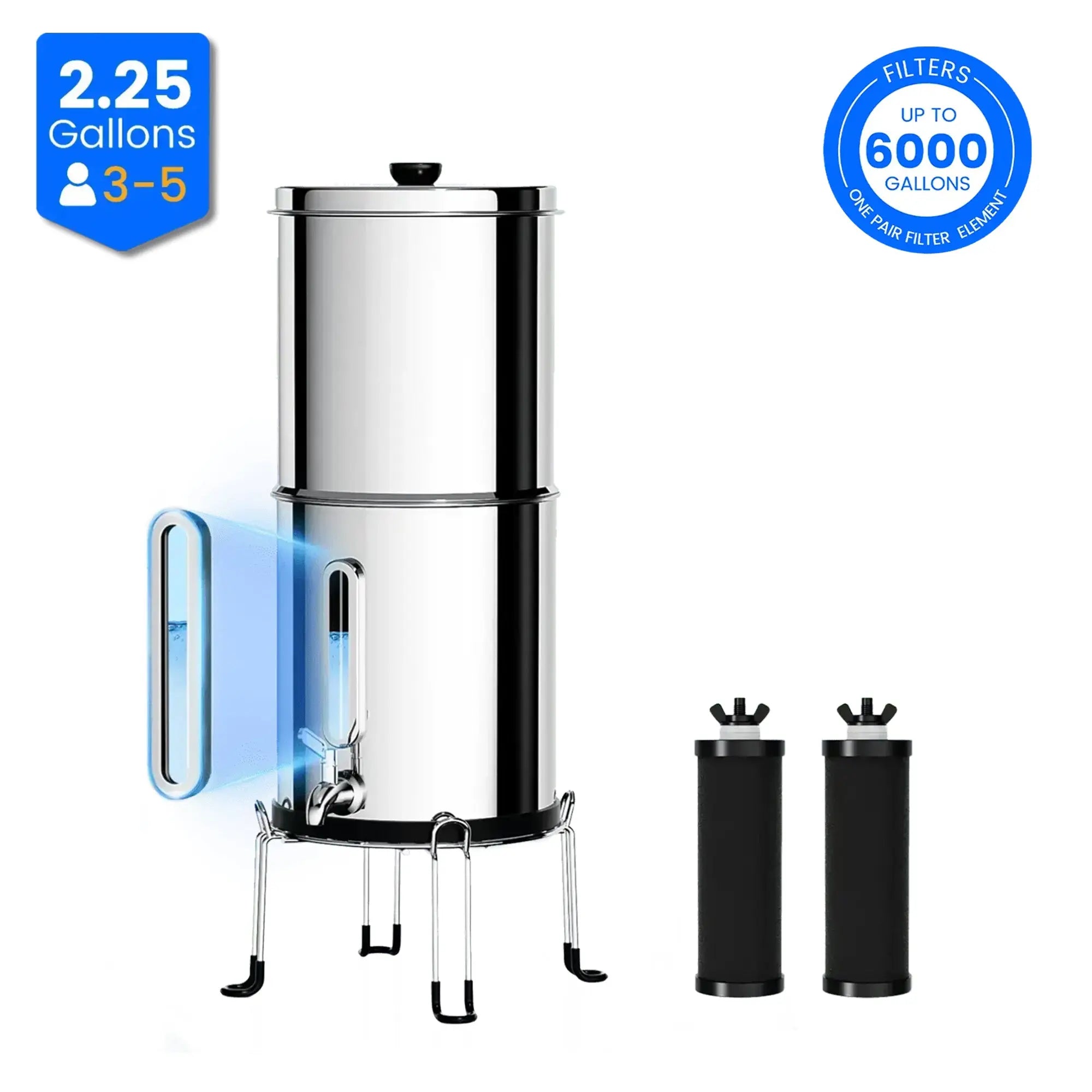
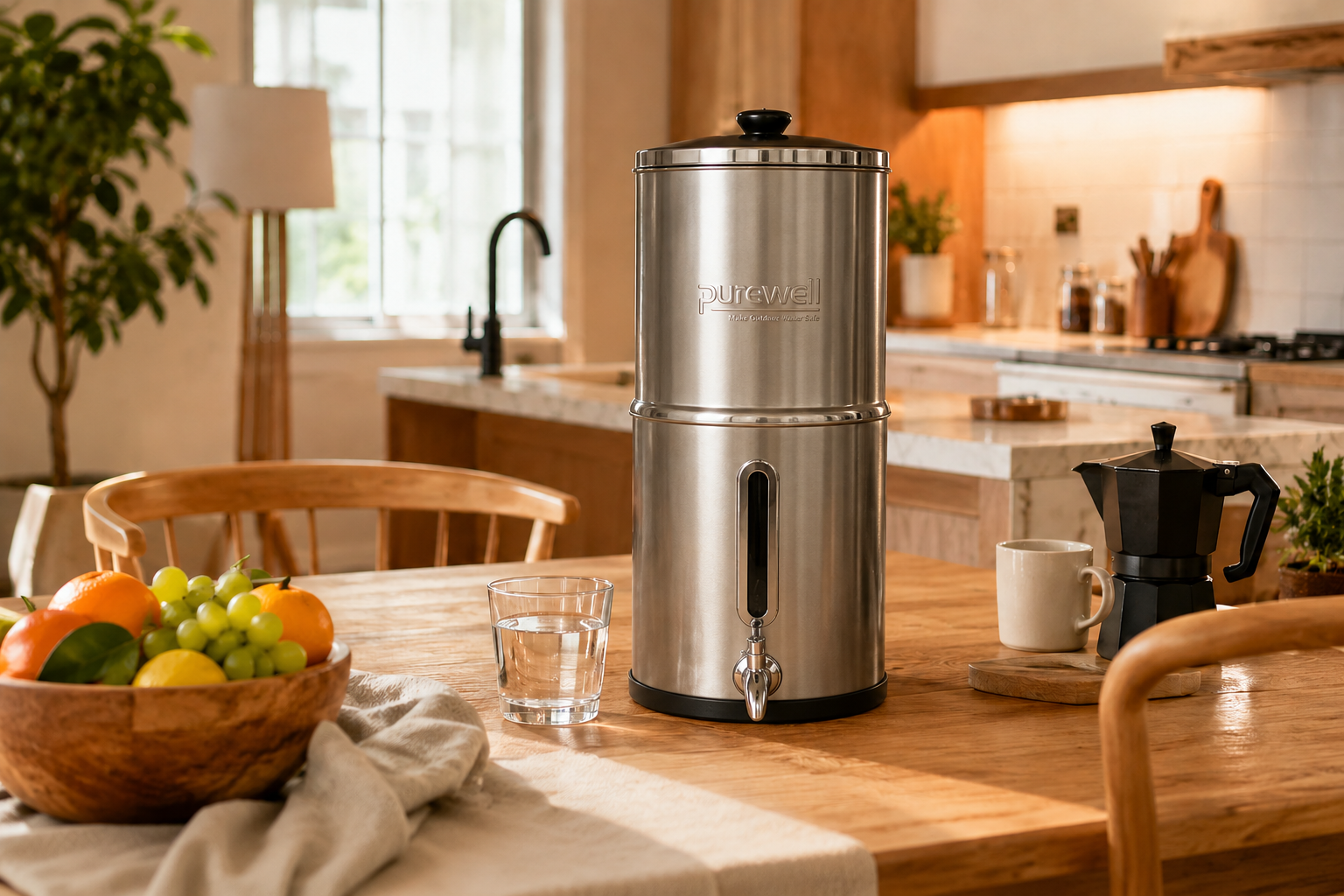
🏠 Best for Household Use: Purewell K Series Countertop Gravity Water Filter System
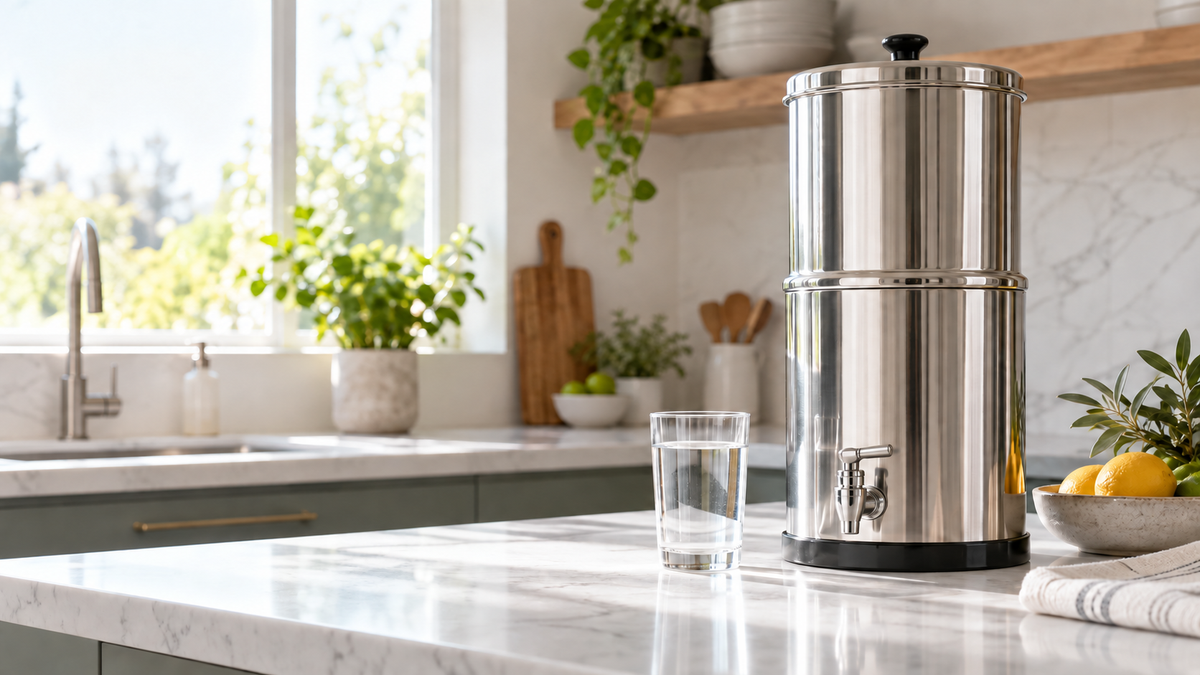
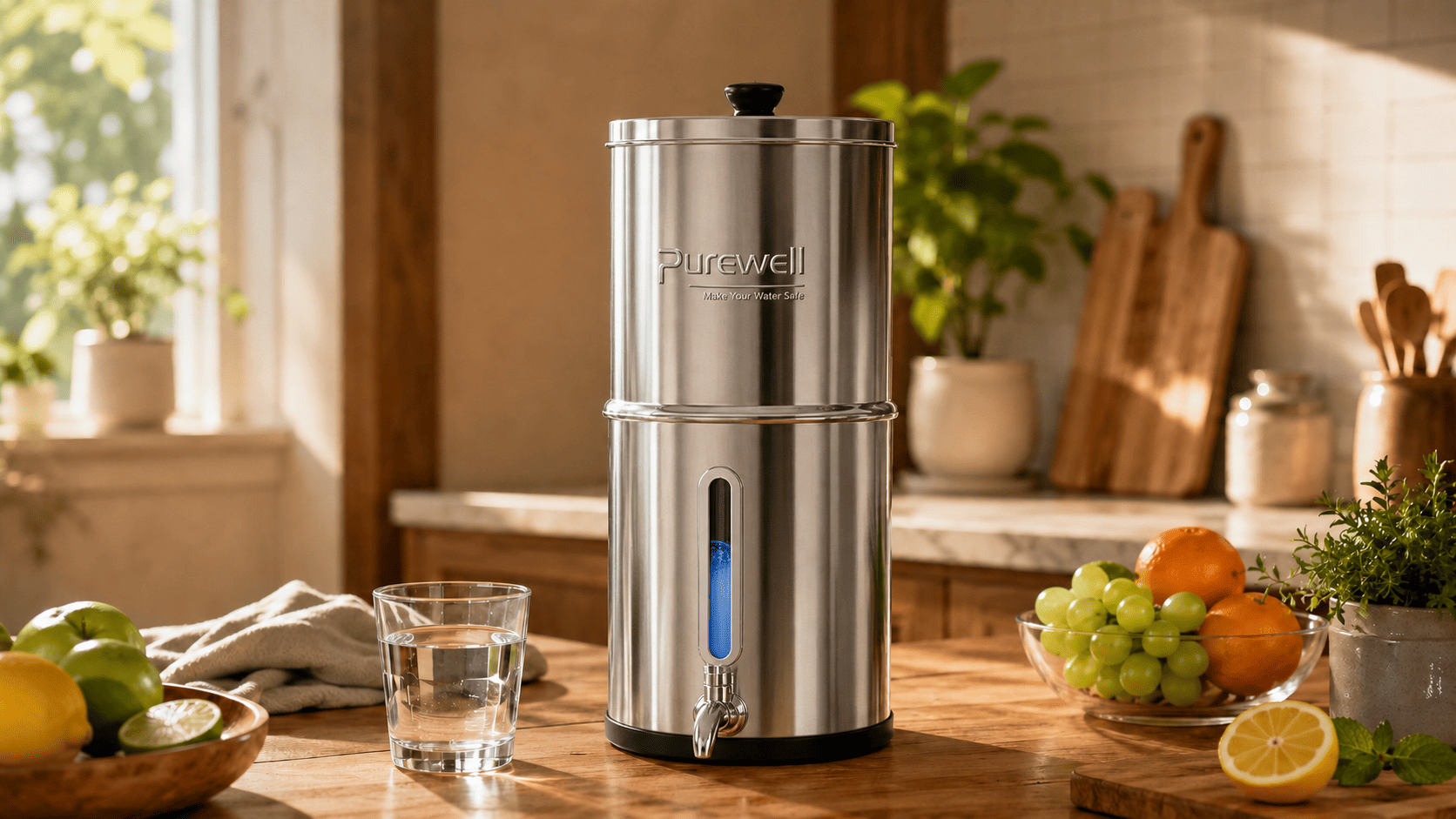
For households looking for a simple and convenient way to filter drinking water every day, the Purewell K Series Countertop Gravity Water Filter System offers a practical countertop solution.
With a gravity-fed design, the system does not require electricity to operate, making it convenient for everyday drinking and cooking. It can be a practical choice for households that want a simple filtration setup without a complicated installation.
Why consider a Countertop Gravity System?
- No electricity required
- Convenient countertop design with simple setup
- Suitable for everyday household drinking and cooking

10. Maintaining Your Water Filtration System
Choosing the right filtration system is only part of maintaining good water quality at home. Regular maintenance is also important. Follow the manufacturer's instructions for filter replacement, cleaning, and system maintenance.
Over time, filters become saturated with the substances they are designed to reduce. Replacing water filters according to the manufacturer's recommended schedule helps maintain the system's intended performance.
11. Final Thoughts
Clean drinking water is an important part of everyday life. While public water treatment provides essential protection in many communities, household water quality can still vary. Understanding your water quality and choosing an appropriate filtration technology can help you make more informed decisions.
Whether you choose a portable RO system, a countertop gravity filter, or another type of filtration technology, focus on the contaminants you want to address and your household's needs.
12. Frequently Asked Questions
Is tap water safe to drink?
In many areas, public tap water is treated and regulated to meet applicable drinking water standards. However, water quality can vary by location and may also be affected by household plumbing.
What is the difference between RO and gravity filtration?
Reverse osmosis uses pressure to push water through a semipermeable membrane, while gravity filtration uses gravity to move water through filter media. They address different water-quality concerns.
Does a water filter remove everything from drinking water?
No. Different filtration technologies are designed to reduce different contaminants. Always check the manufacturer's specifications.
How often should I replace my water filter?
Filter replacement frequency depends on the specific product, filter type, water quality, and amount of water processed. Always follow the replacement schedule provided by the manufacturer.
Is a countertop water filter worth considering?
Yes, a countertop system can be a convenient option for households that want filtered drinking water without installing a permanent under-sink system.
Do gravity water filters need electricity?
Many gravity-fed water filtration systems do not require electricity because water moves through the filtration media using gravity.
Is a portable RO water filter useful for emergencies?
A portable filtration system can be highly useful in situations where convenient access to treated water is limited.
Recommended Water Filtration Systems for Your Home
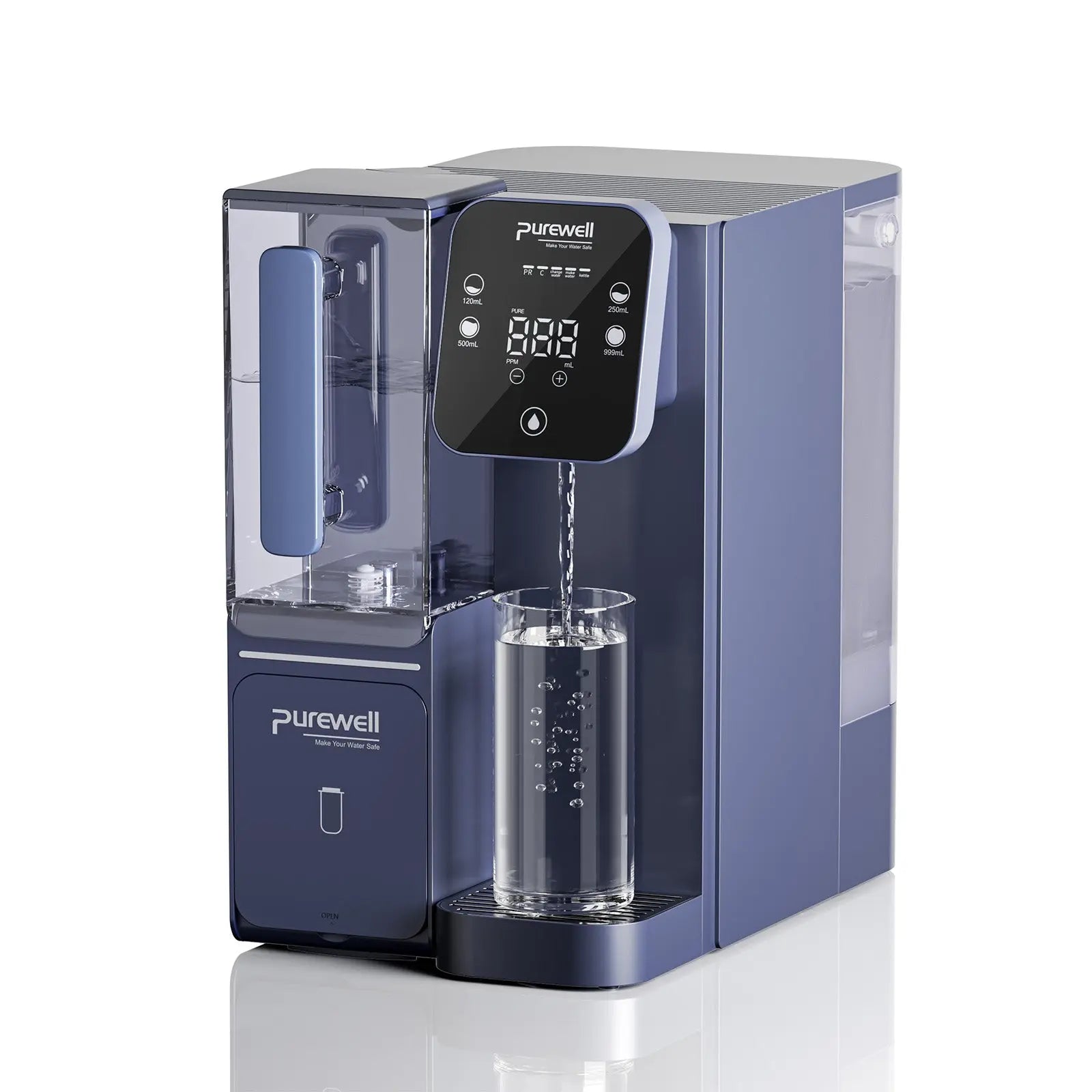
Ready to take the next step toward cleaner and more convenient drinking water? Explore Purewell's water filtration solutions for different household needs. (Don't forget to use code PURE15 for 15% off!)
💧 Portable RO Water Filter System
Portable filtration for home, emergencies, travel, and outdoor use. A convenient option for people who want a flexible water filtration solution without a complicated permanent installation.
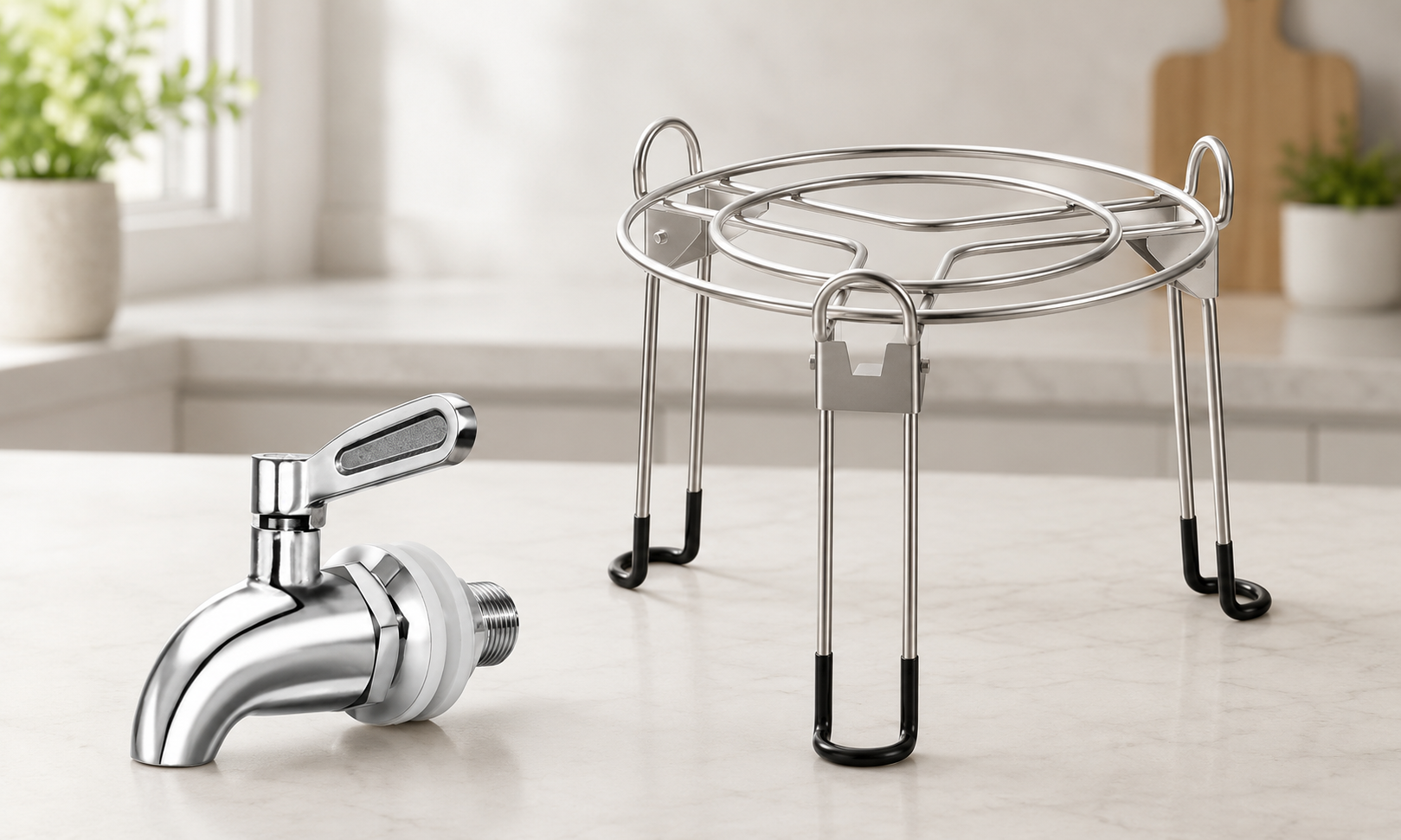
🏠 K Series Countertop Gravity Water Filter System
A convenient countertop solution for everyday drinking and cooking. The gravity-fed design works without electricity, making it a practical choice for households looking for simple and convenient water filtration.
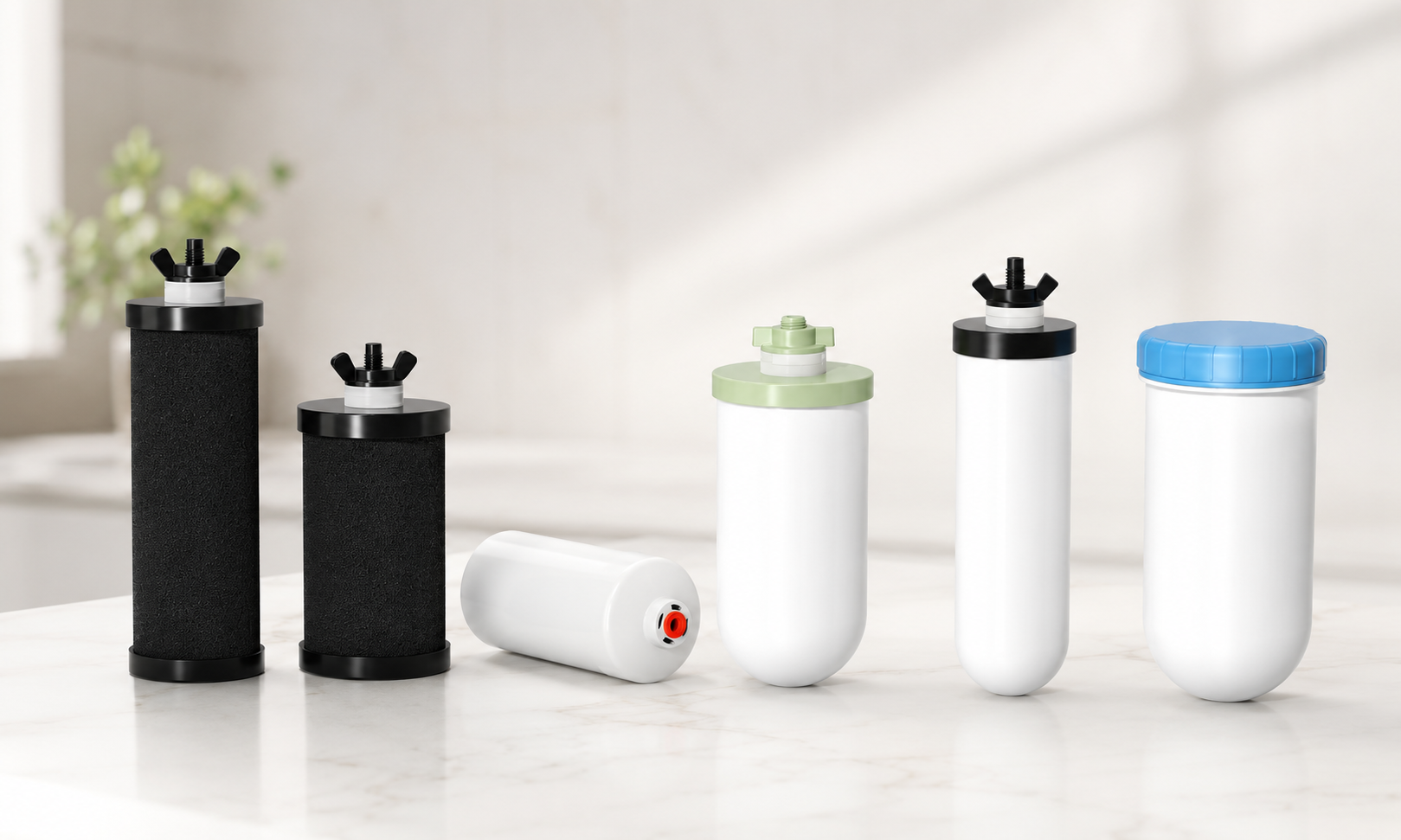
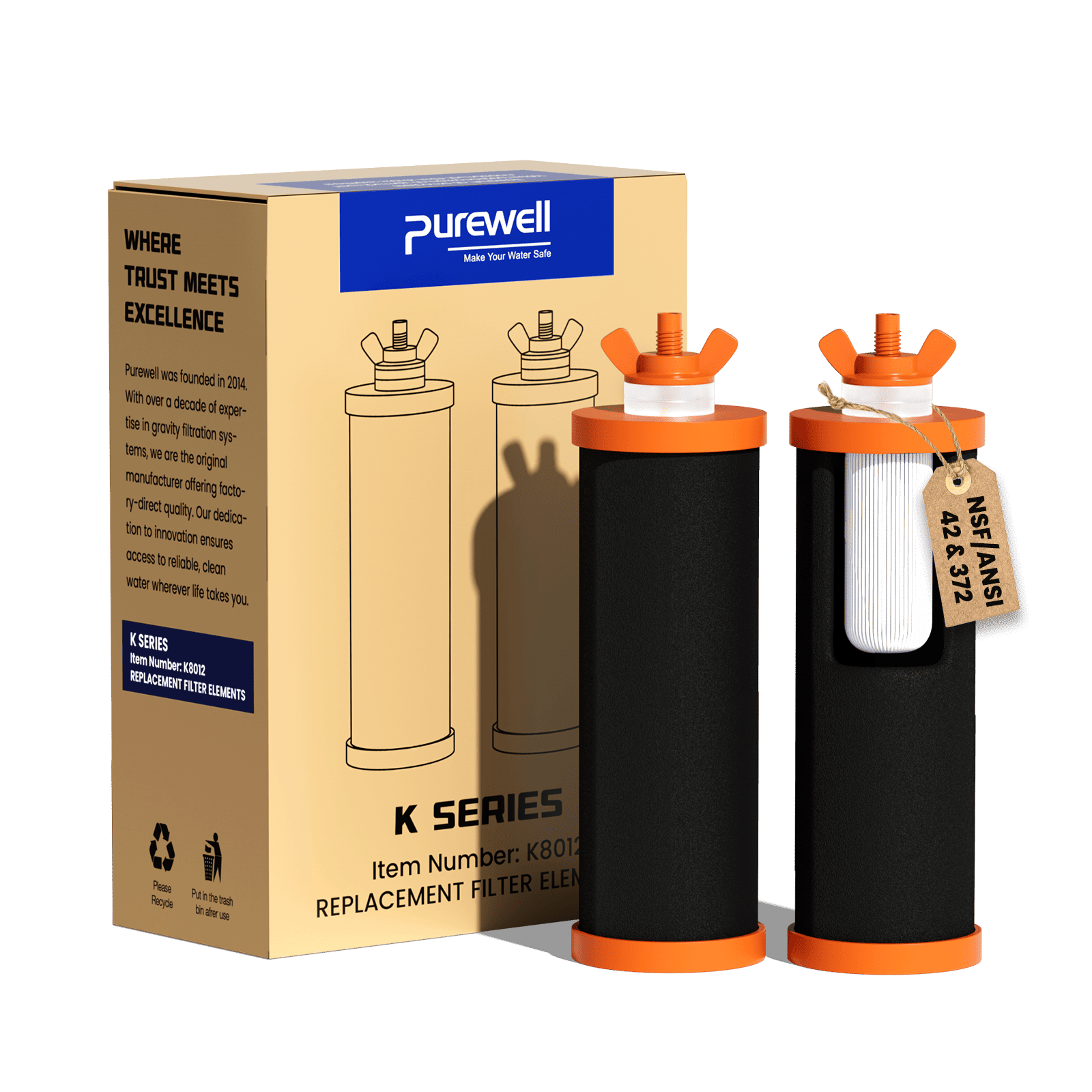
🔄 Replacement Water Filters
Keep your Purewell filtration system ready for everyday use. Regular filter replacement helps you maintain your filtration system and follow the manufacturer's recommended maintenance schedule.

Find the Right Purewell Water Filtration Solution. Whether you need a portable RO system, a countertop gravity filter, or replacement filters, Purewell offers water filtration solutions designed for different household needs.