

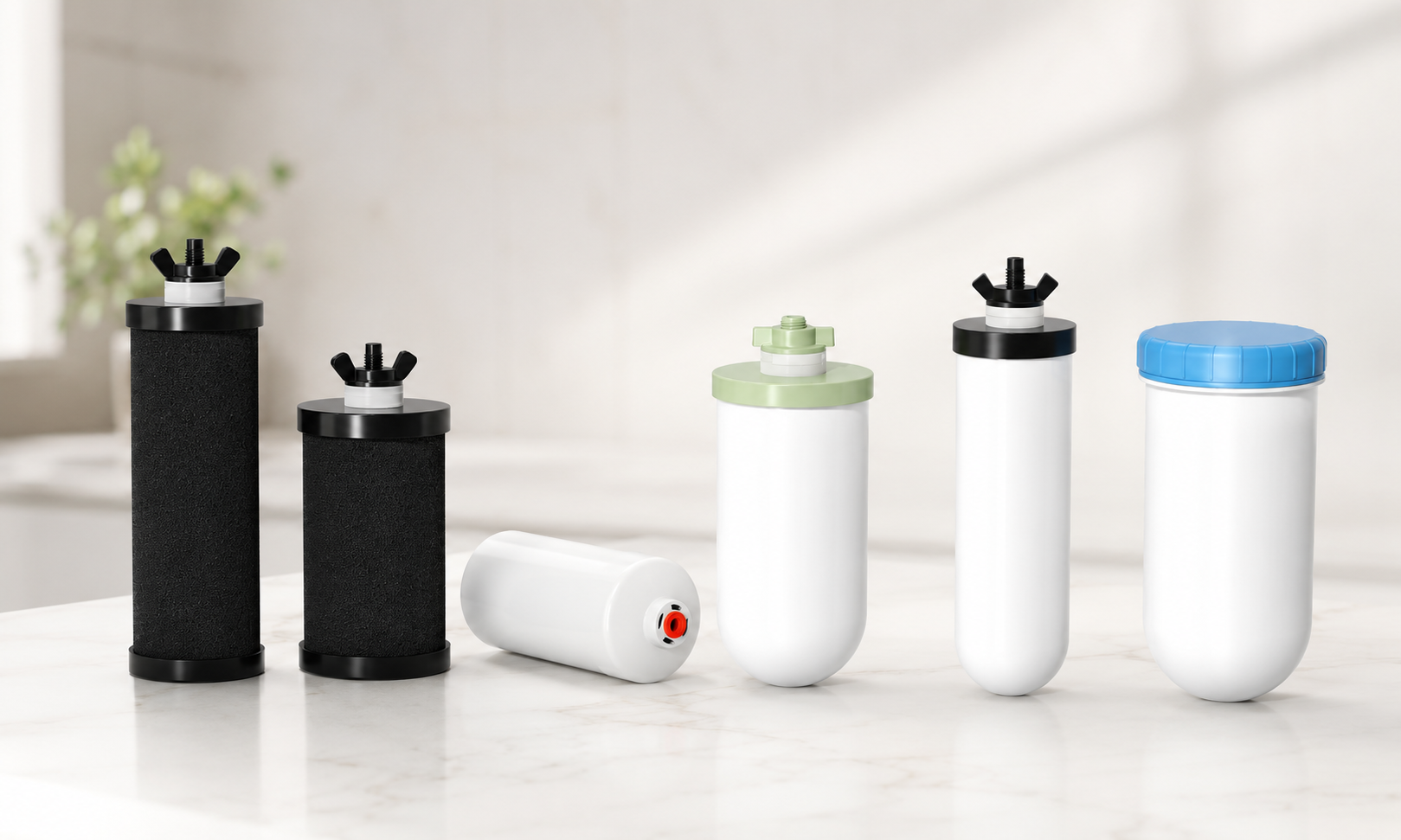

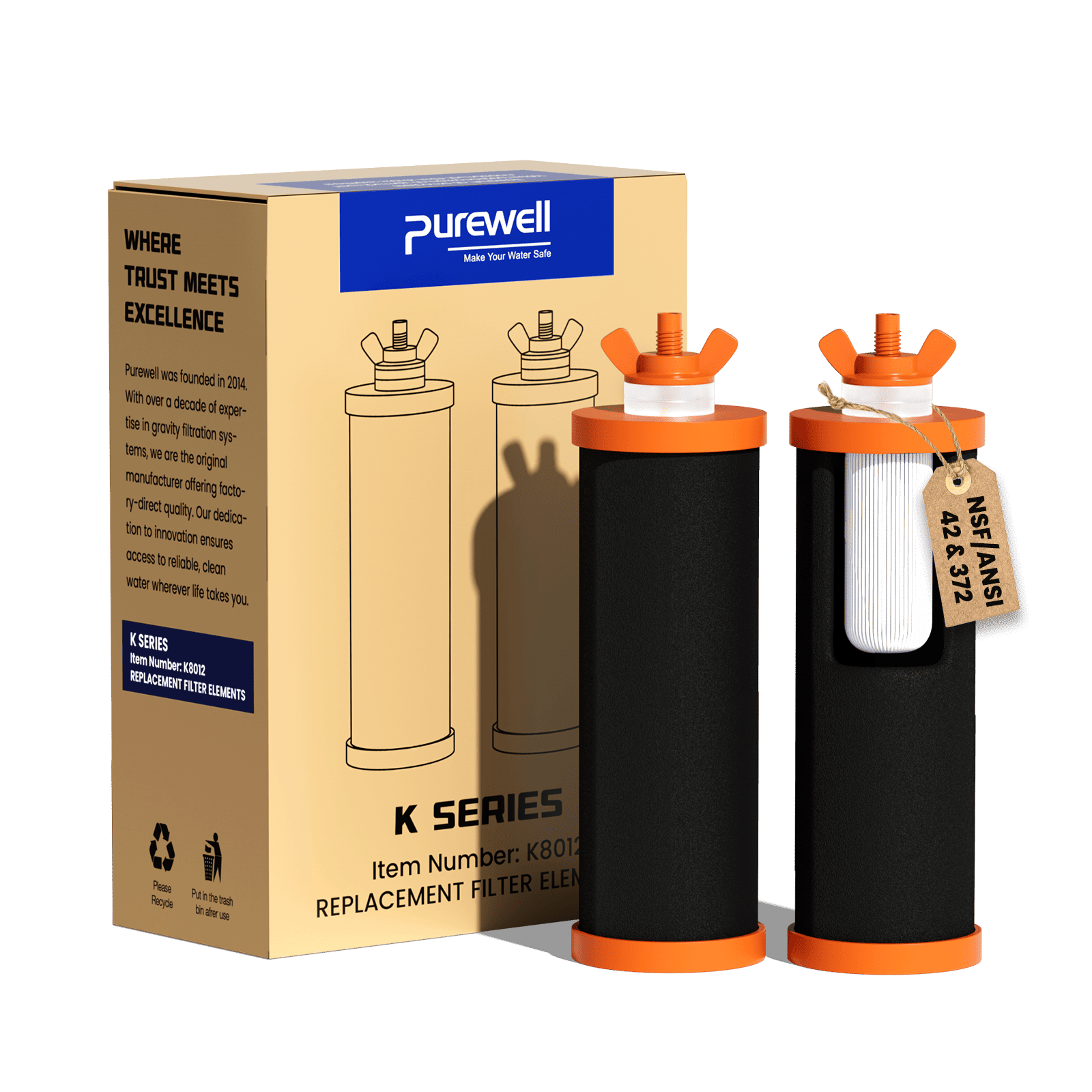
Coconut Shell Activated Carbon Designed to Improve Water Taste and Odor
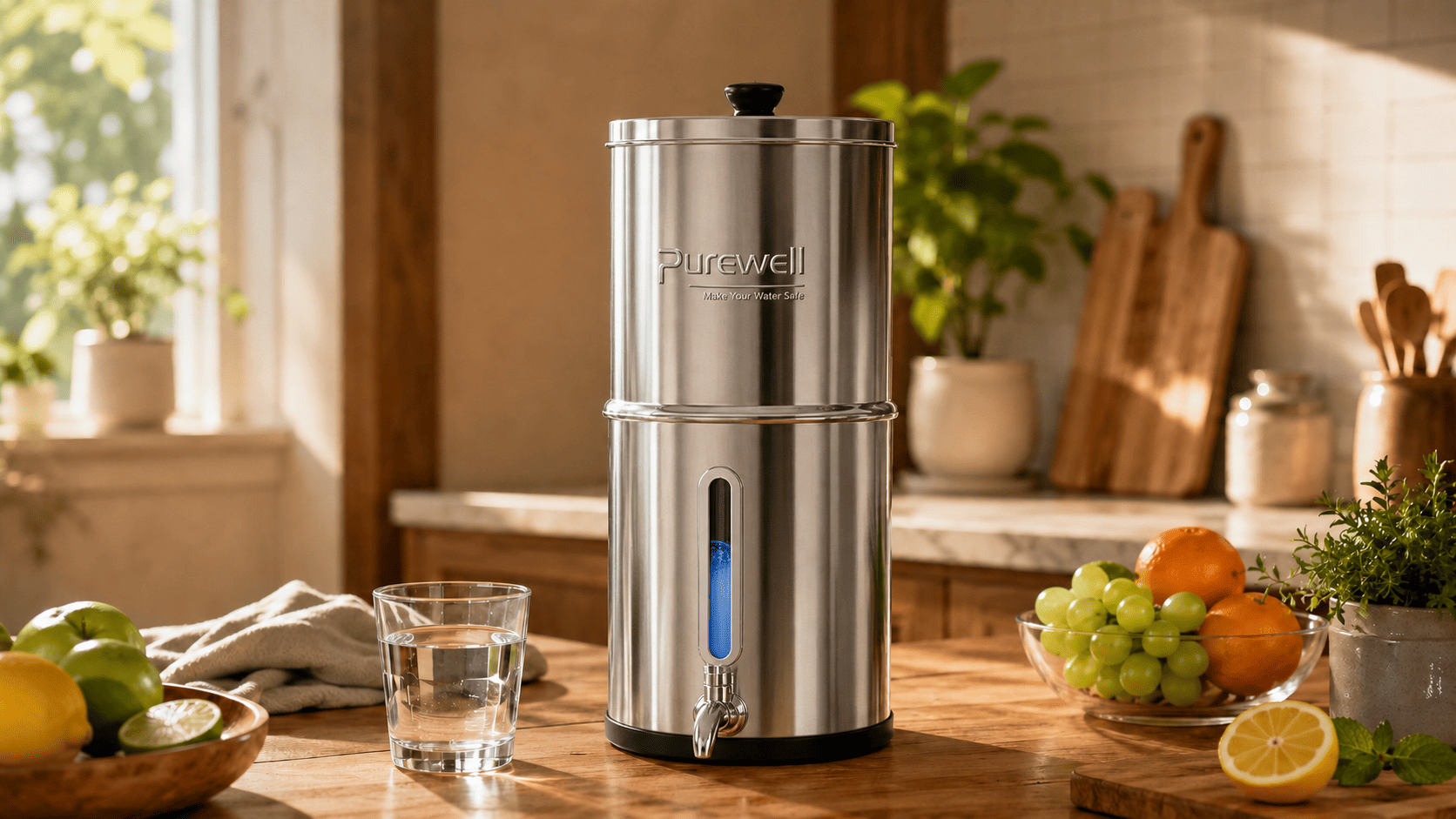
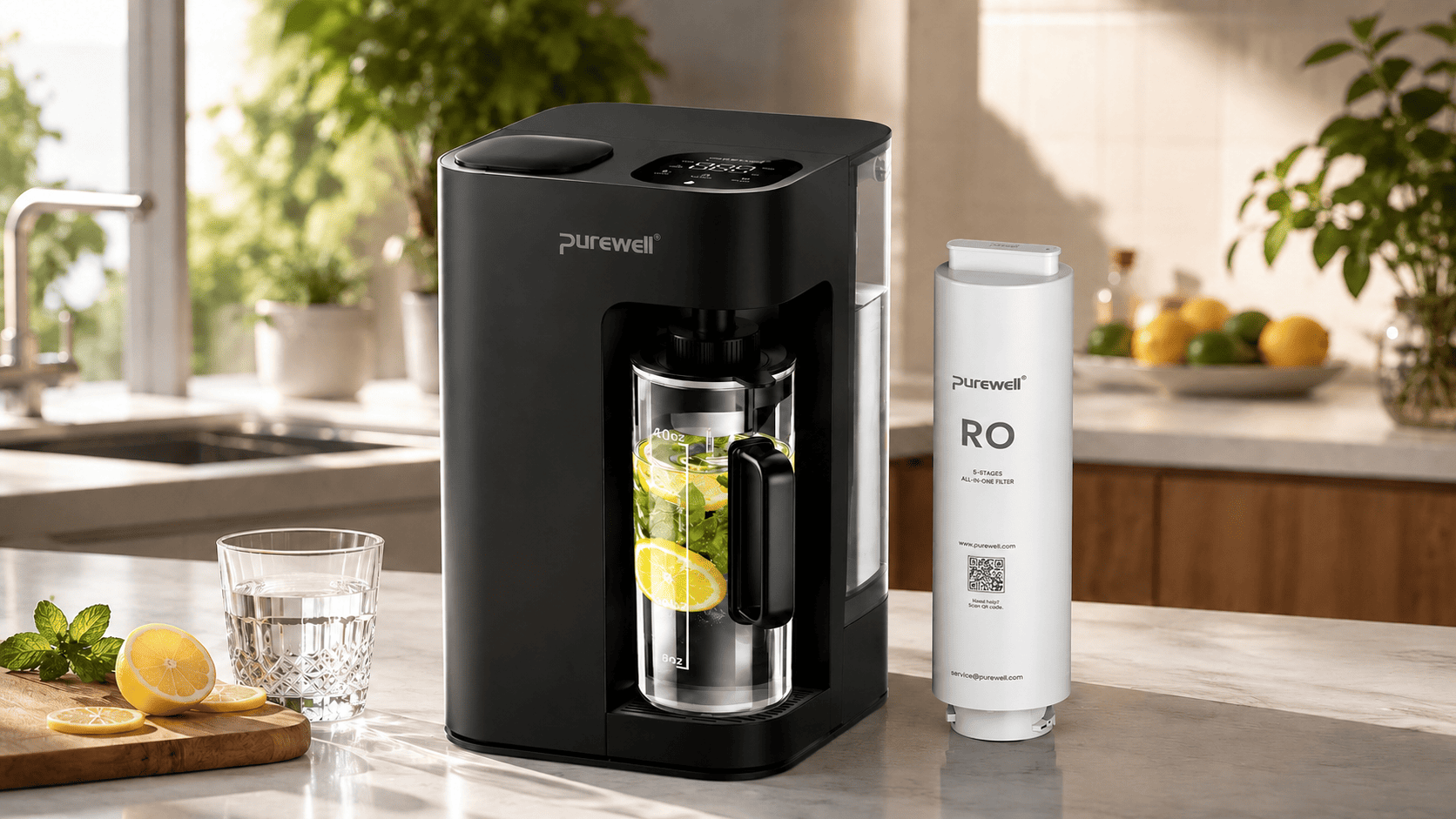
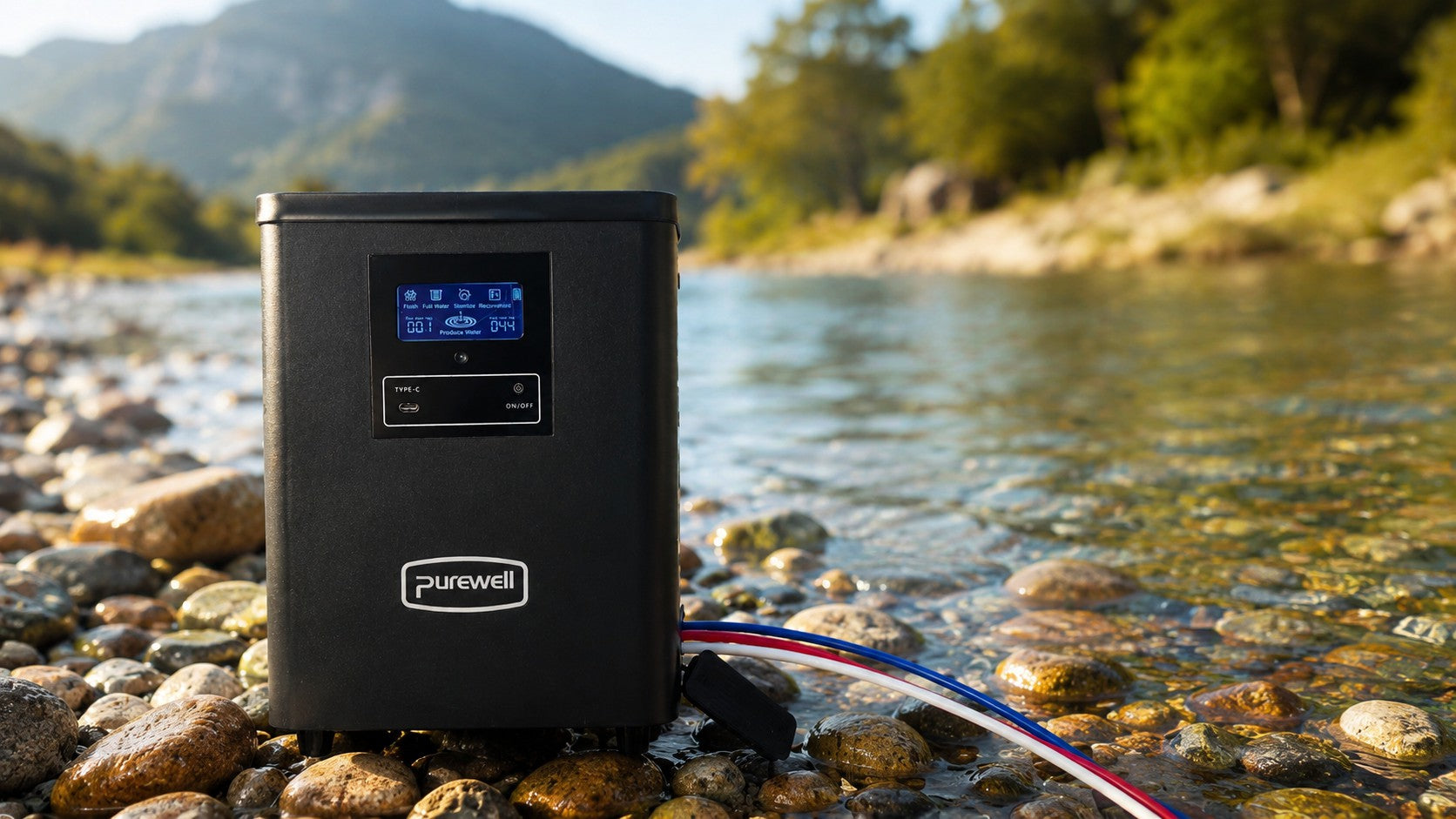
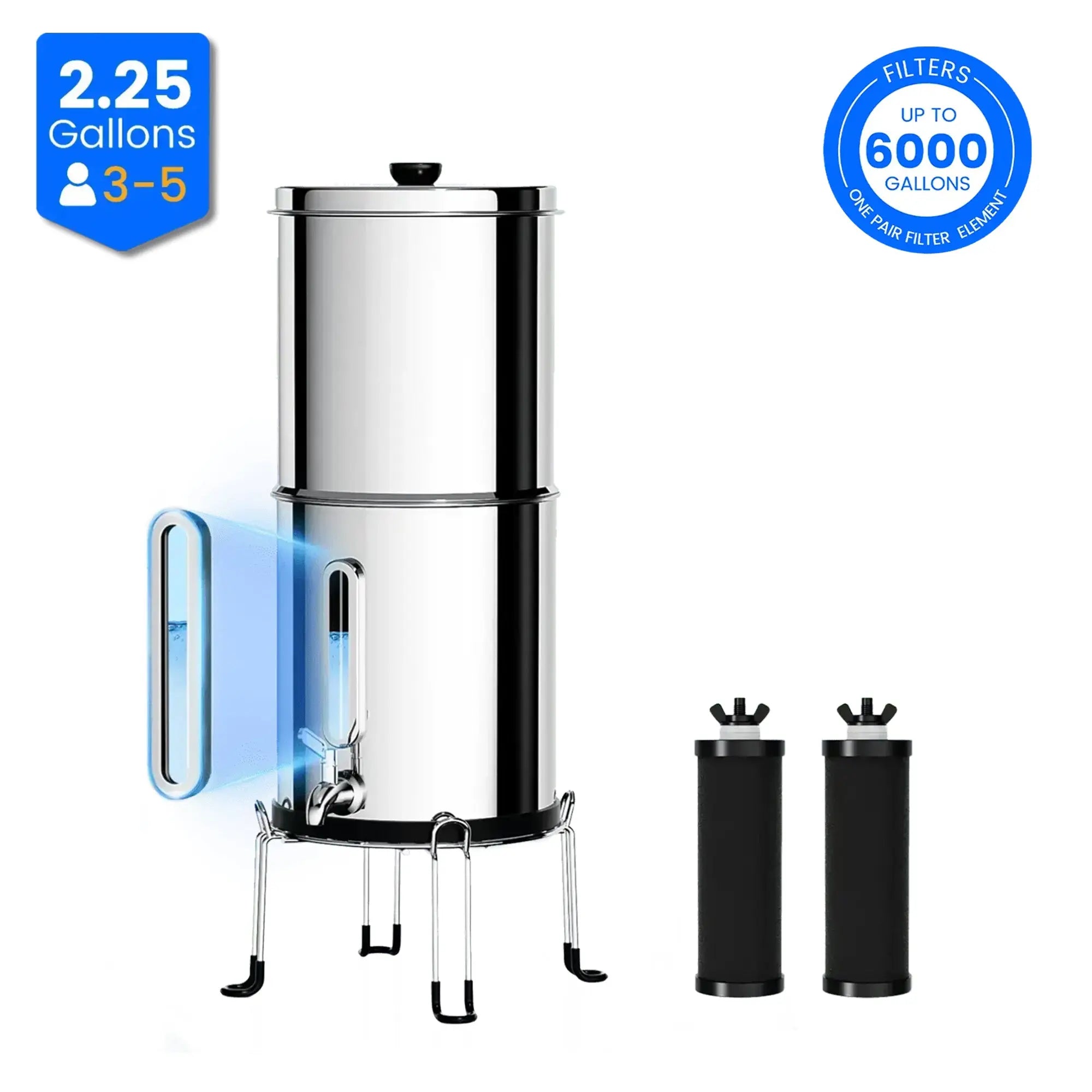
Where listed in the applicable Purewell product specification, the filtration media uses activated carbon derived from coconut shells. The coconut shells are processed to create a network of microscopic pores and a large internal surface area. As water moves through the media, certain compounds are attracted to and held on the carbon surface through a process known as adsorption.
How Activated Carbon Works
Coconut shells are converted into highly porous activated carbon. The media primarily works through adsorption, meaning certain compounds are attracted to the carbon surface instead of simply being screened out by pore size.
✓ Designed to Help Reduce
- Chlorine taste and odor
- Unpleasant tastes and smells
- Certain volatile organic compounds
- Certain adsorption-sensitive organic substances
i Understand the Filtration Limit
- Does not normally reduce dissolved salts or TDS
- Does not soften hard water by itself
- Is not a complete microbiological barrier on its own
- Does not reduce every contaminant without additional media
Important Use and Care Notes
Correct preparation and timely replacement help maintain adsorption performance and water quality.
Filtration performance depends on the activated carbon type, carbon quantity, contact time, water quality, flow rate, product design, and maintenance. Specific contaminant-reduction claims should be based on the applicable Purewell product specifications and test results.