


Skip to content

What are you looking for?

Pressure-Driven Reverse Osmosis Technology

A Selective Membrane Designed to Reduce Dissolved Solids

A reverse osmosis membrane uses pressure and selective separation to divide incoming water into two streams. Water that passes through the membrane becomes the purified-water stream, while many rejected dissolved substances leave through a separate concentrated-water outlet.

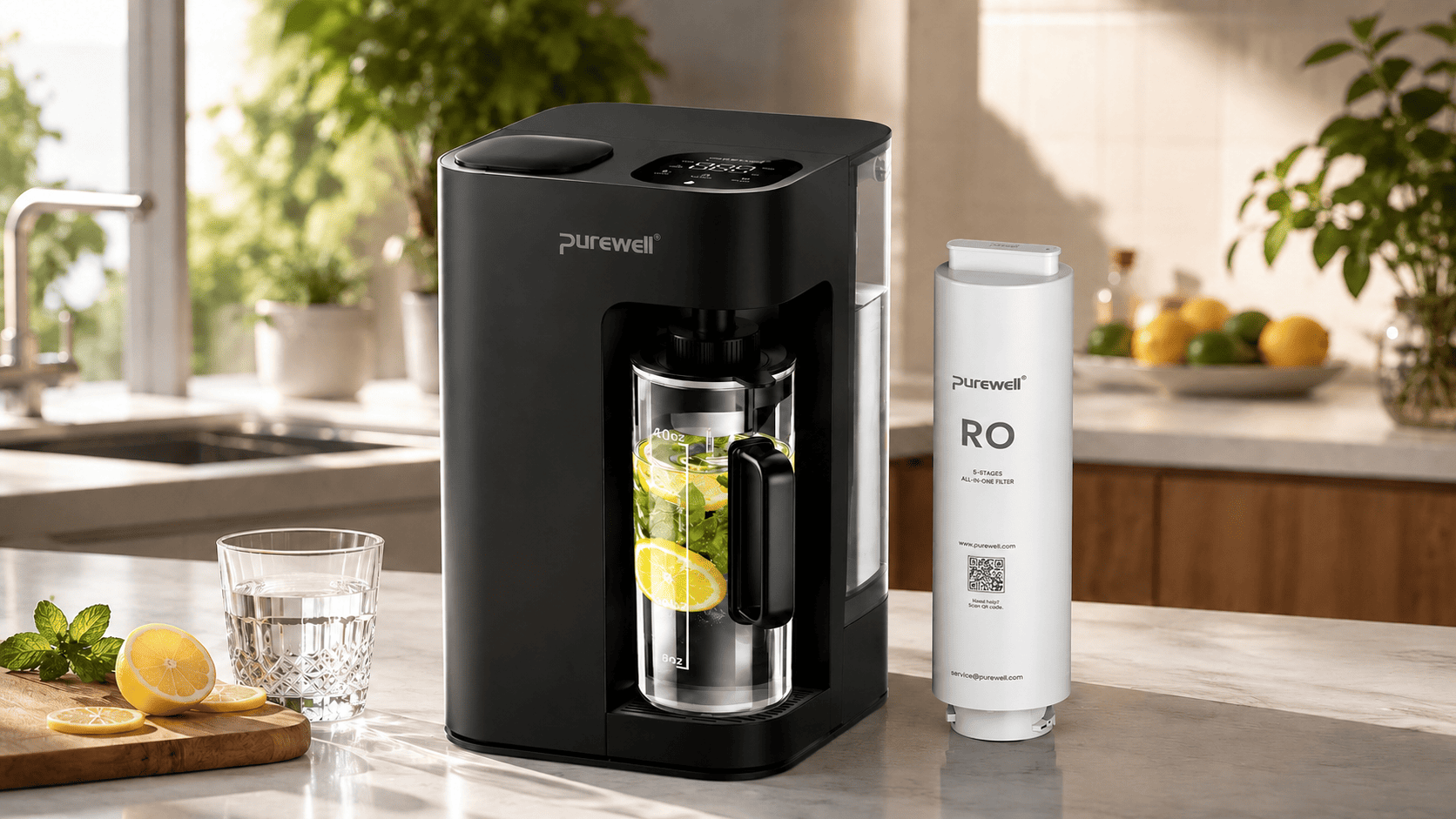
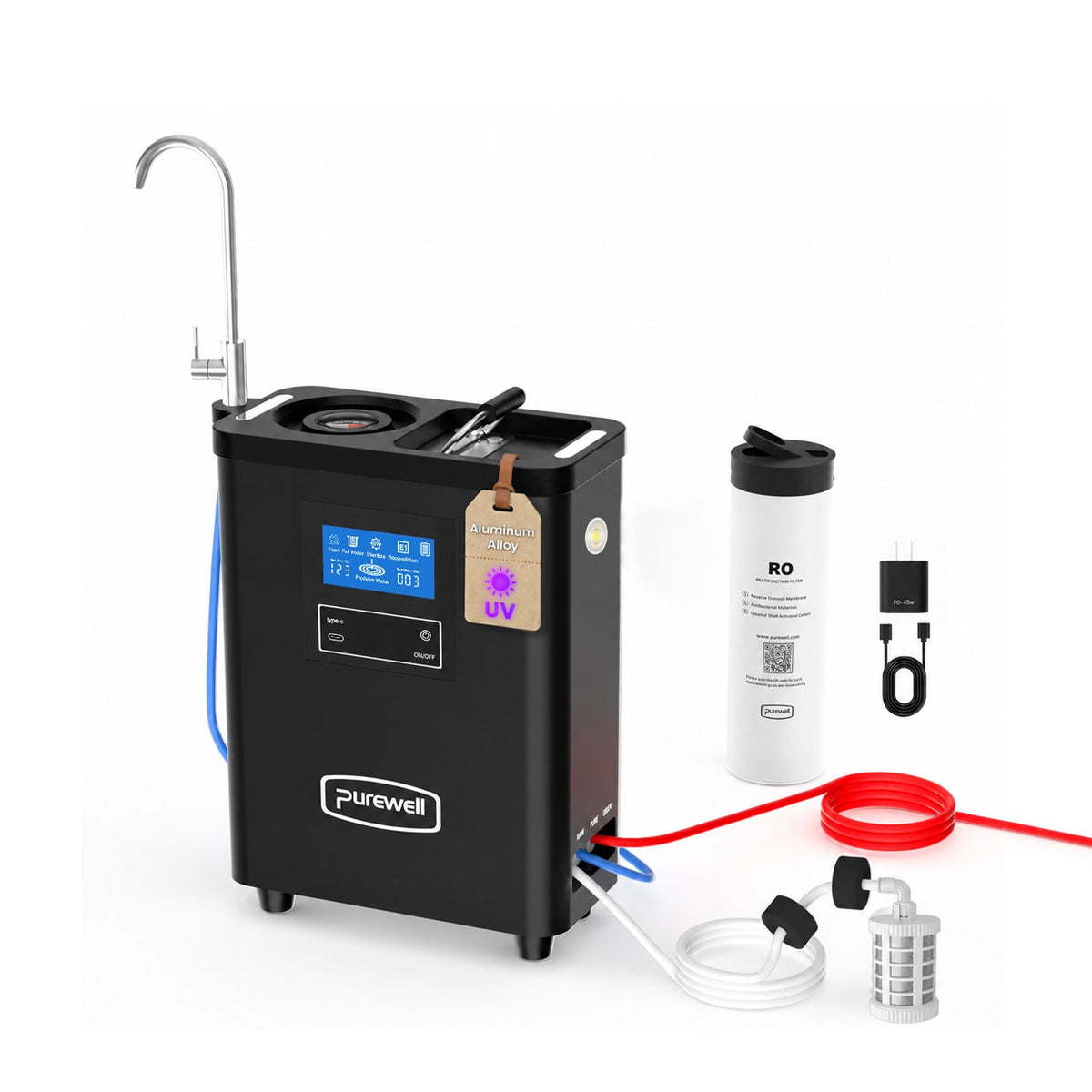
Standard Composite RO Cartridge The K8680 combines activated carbon and a reverse osmosis membrane inside its standard composite cartridge. The RO membrane is part of the main filtration construction rather than an optional add-on.
K8680 Standard
Separation Across the RO Membrane

How Reverse Osmosis Works

Reverse osmosis is not simple particle screening. The system uses pump pressure to move pretreated water across a selective membrane and separate the purified-water stream from the concentrated-water stream.

1
Water Is Pretreated The intake pre-filter and activated carbon stages help reduce sediment, debris, chlorine-related characteristics, taste, and odor before water reaches the RO membrane.
2
The Pump Creates Operating Pressure The electric pump provides the pressure required to move source water toward and across the reverse osmosis membrane.
3
Water Contacts the Selective Membrane The membrane allows water to move into the purified-water pathway while restricting many dissolved salts, ions, and other membrane-rejected substances.
4
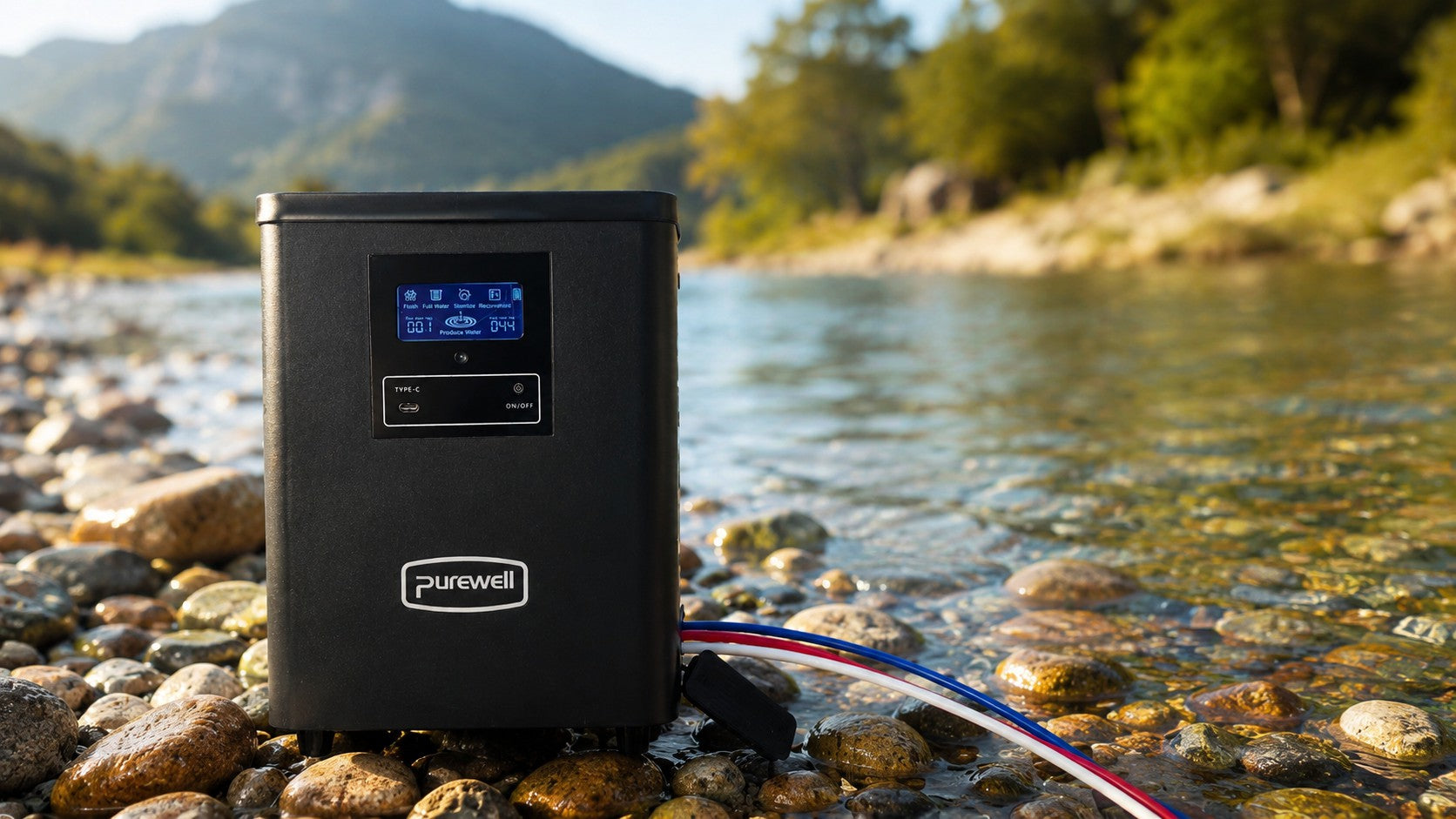
Purified Water Passes Through Water that passes through the membrane is called permeate and is directed toward the blue PURE water outlet.
5
Concentrated Water Is Separated Rejected dissolved substances remain in the concentrated water stream, which leaves the system through the red DIRTY water outlet.
Helps Reduce TDS Reverse osmosis is designed to reduce many dissolved substances that contribute to total dissolved solids.
Selective Separation The membrane separates water from many dissolved salts, minerals, ions, and other membrane-rejected substances.
Separate Water Streams Purified water and concentrated water leave through separate outlets instead of remaining mixed together.
Works with Multiple Stages The RO membrane works together with pre-filtration, activated carbon, TDS monitoring, and UV treatment in the K8680 system.

Designed to Help Reduce

  • Total dissolved solids in source water
  • Many dissolved salts and mineral ions
  • Certain dissolved metals and inorganic substances
  • Selected contaminants rejected by the membrane
  • Differences between raw-water and purified-water TDS

i Understand the Filtration Limit

  • Does not reduce every substance at the same rate
  • Does not eliminate the need for pre-filtration
  • Requires suitable pressure and operating conditions
  • Produces a separate concentrated-water stream
  • Is not intended for seawater or industrial wastewater

Important Use and Care Notes

Correct preparation, source-water selection, flushing, and timely cartridge replacement help maintain membrane performance.

01
Complete the Initial Flush Flush the system before drinking from it for the first time. Discard the initial water until it runs clear and the system completes its cleaning cycle.
02
Protect the Membrane with Pre-Filtration Keep the intake pre-filter and medical PP cotton clean. Excess sediment can reduce water flow and place additional load on the RO cartridge.
03
Use Within the Temperature Range Use source water between 41°F and 100°F / 5°C and 38°C. Do not use hot water or allow the system to freeze.
04
Monitor Purified-Water TDS Compare raw-water and purified-water TDS readings. A consistently elevated purified-water reading may indicate reduced membrane performance.
05
Replace the Cartridge When Needed Replace the composite RO cartridge when its rated life is reached or when water flow, taste, odor, or TDS performance noticeably declines.
06
Store the System Correctly For long-term storage, drain the system, remove the filters, allow the components to dry, and store them in a cool, dry location.

Reverse osmosis performance depends on source-water TDS, temperature, pump pressure, membrane condition, flow rate, maintenance, and product design. The K8680 specification lists a 95% desalination rate under rated conditions. Actual results may vary. Specific contaminant-reduction statements should be based on the applicable Purewell product specifications and test reports.

Add Order Note
Coupon Code