
HELP ME CHOOSE
Which Purewell system is right for me?
Start with where and how you plan to use it.
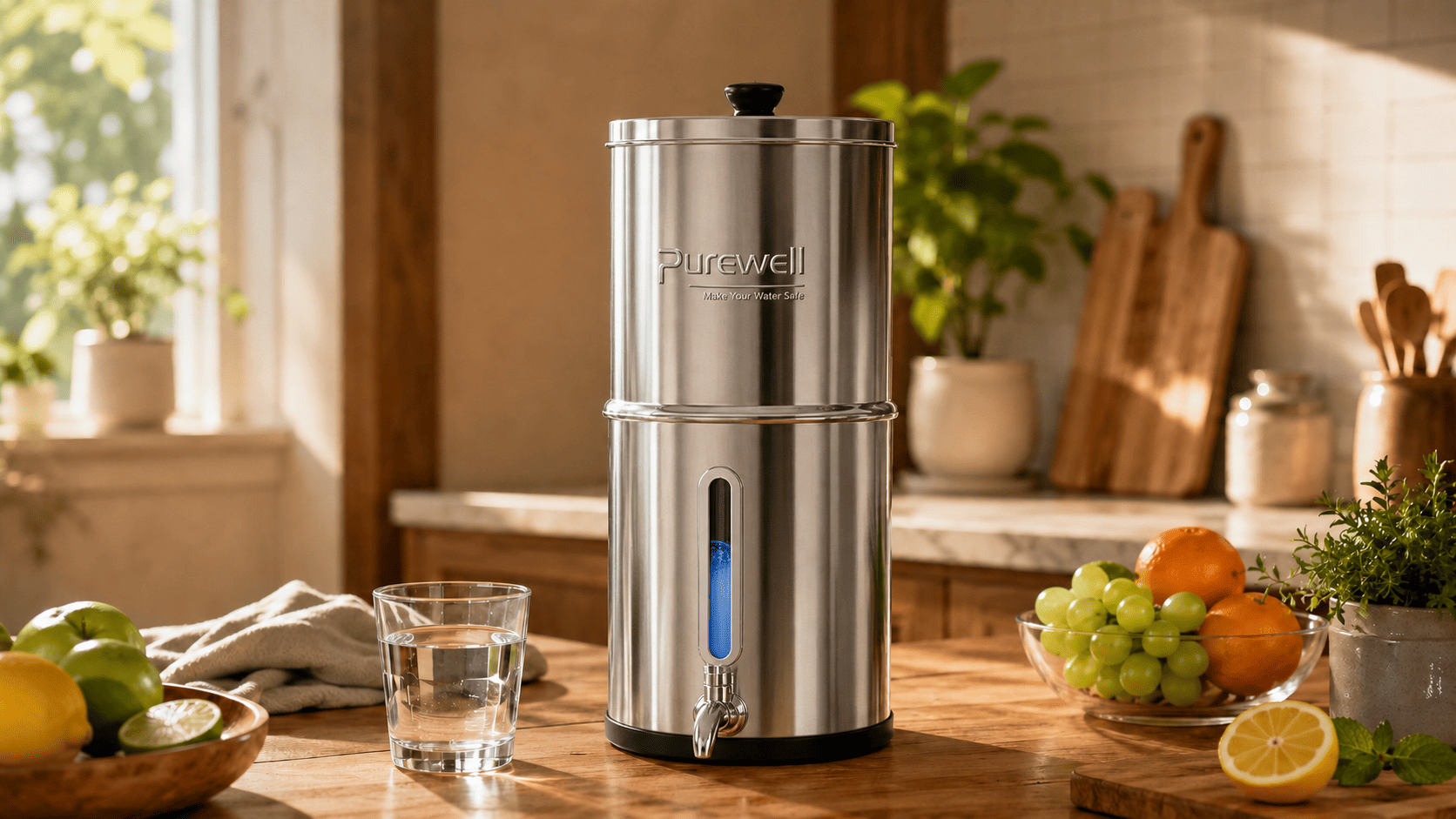
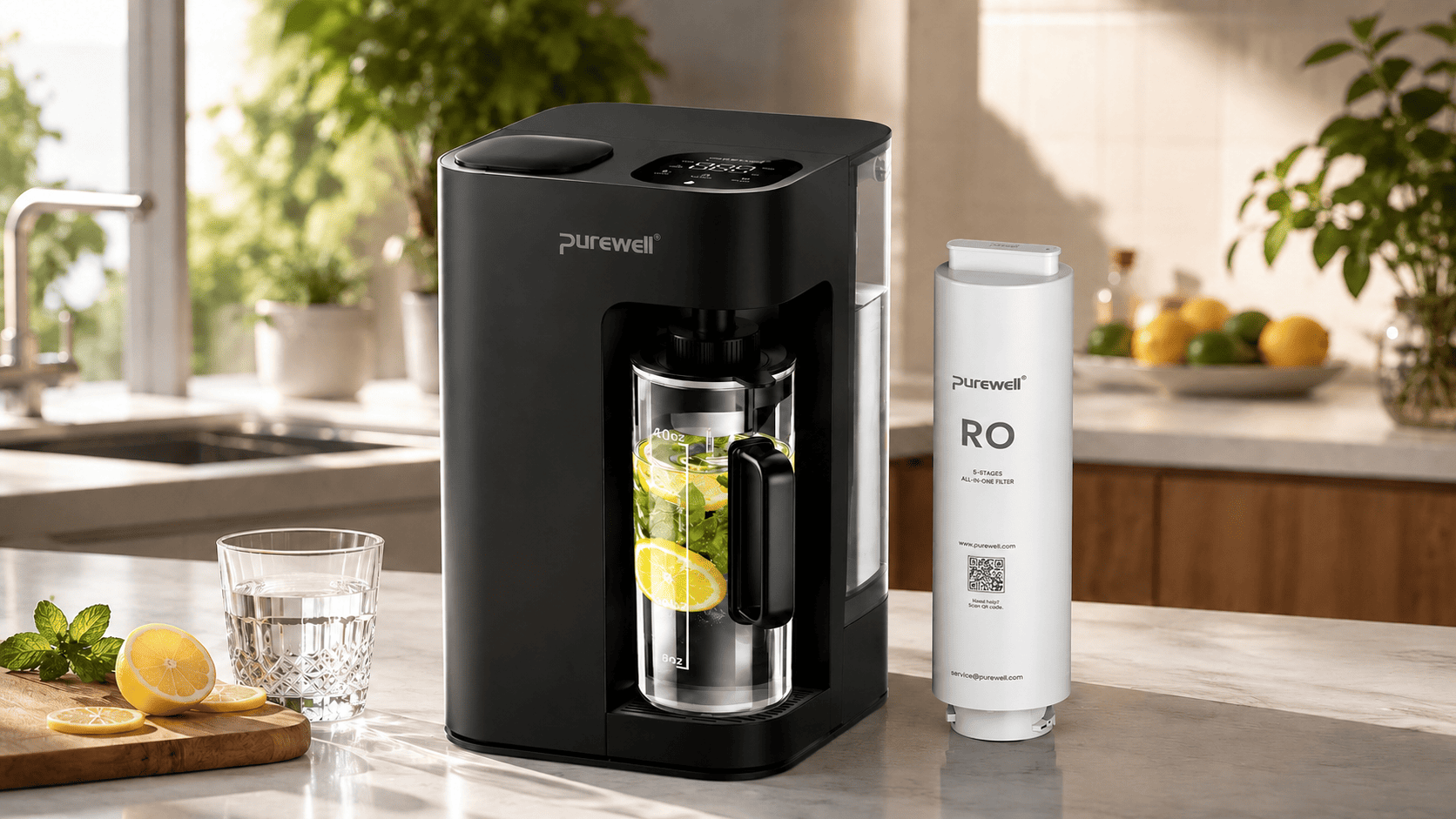
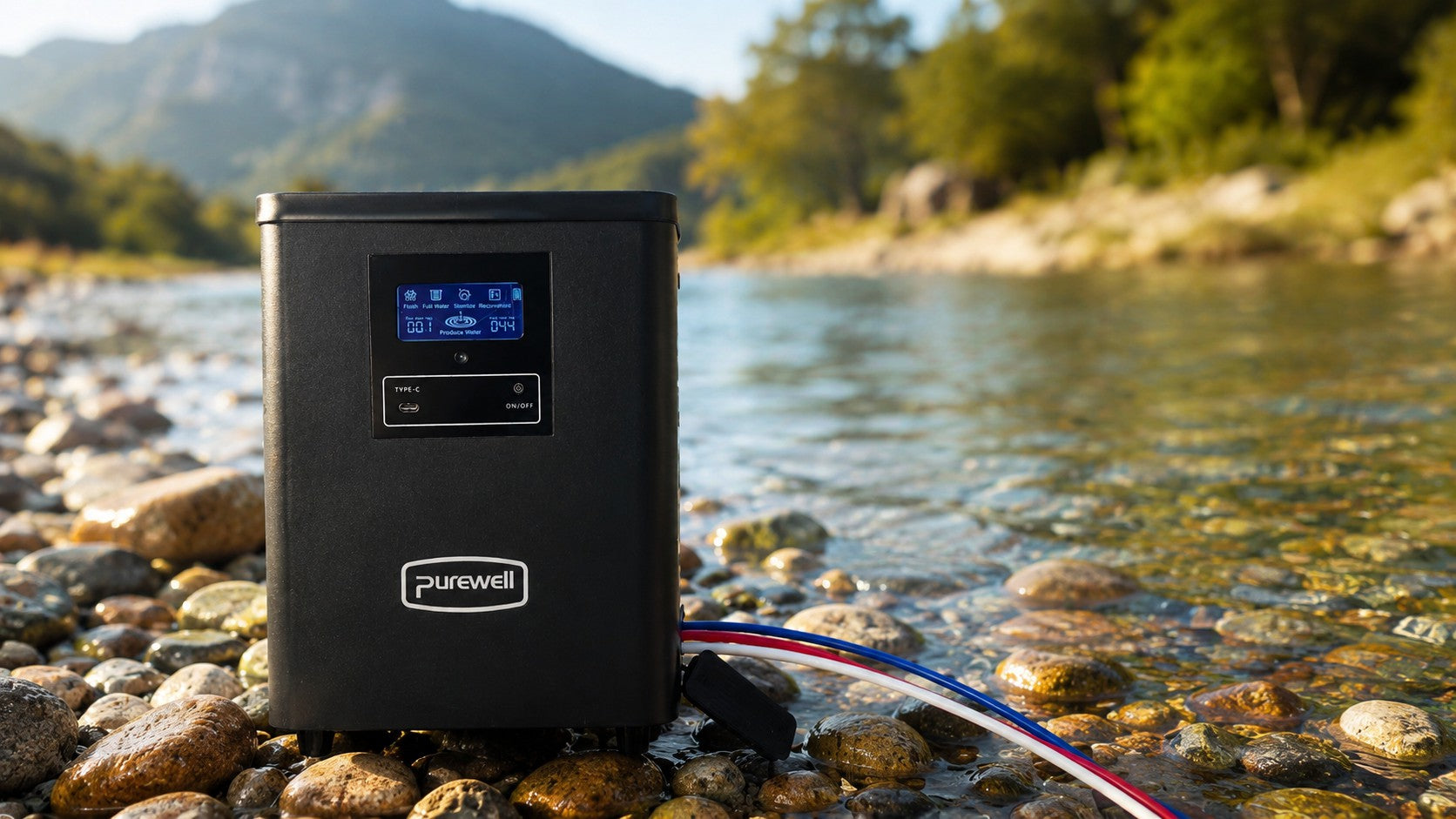
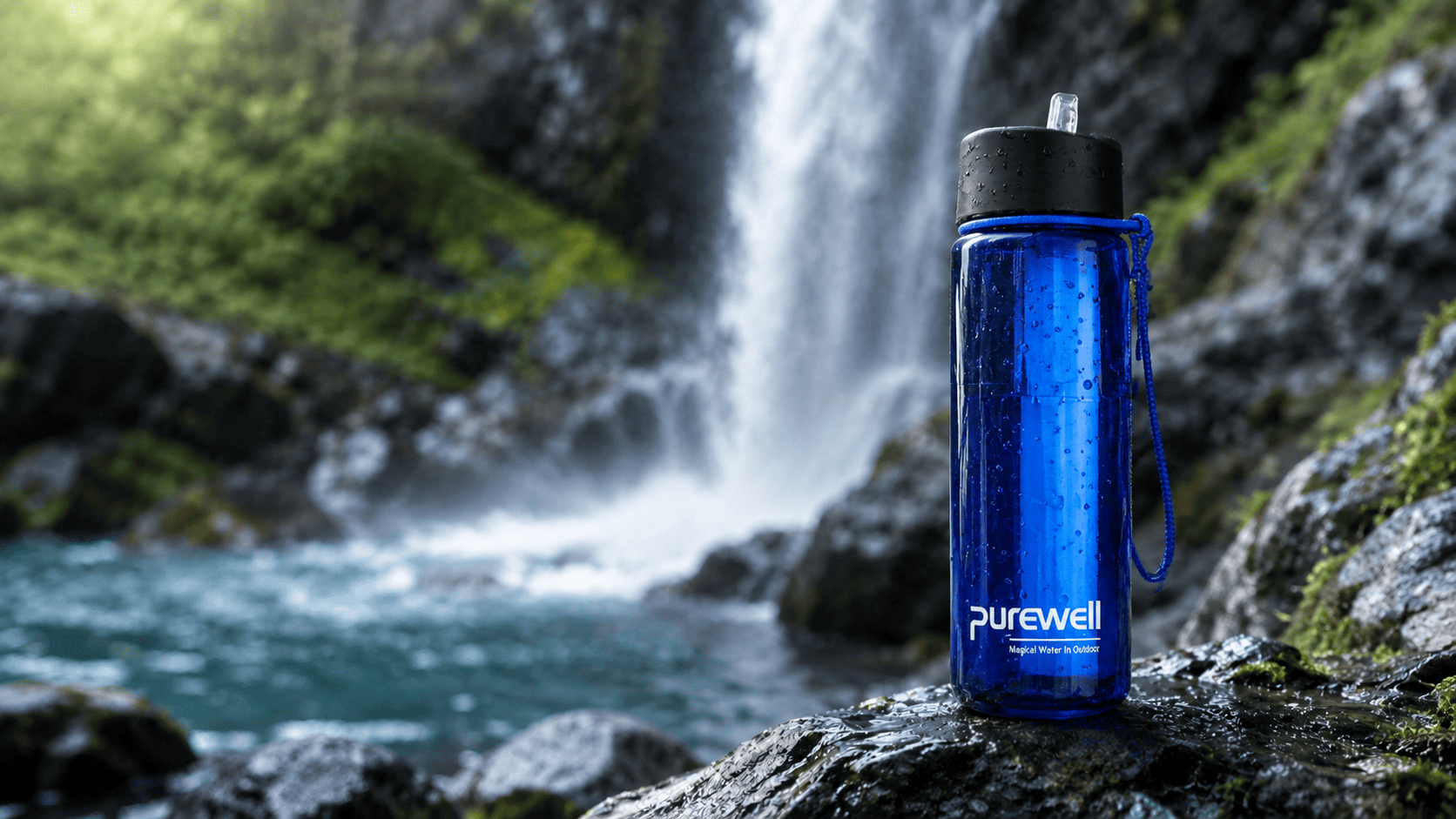
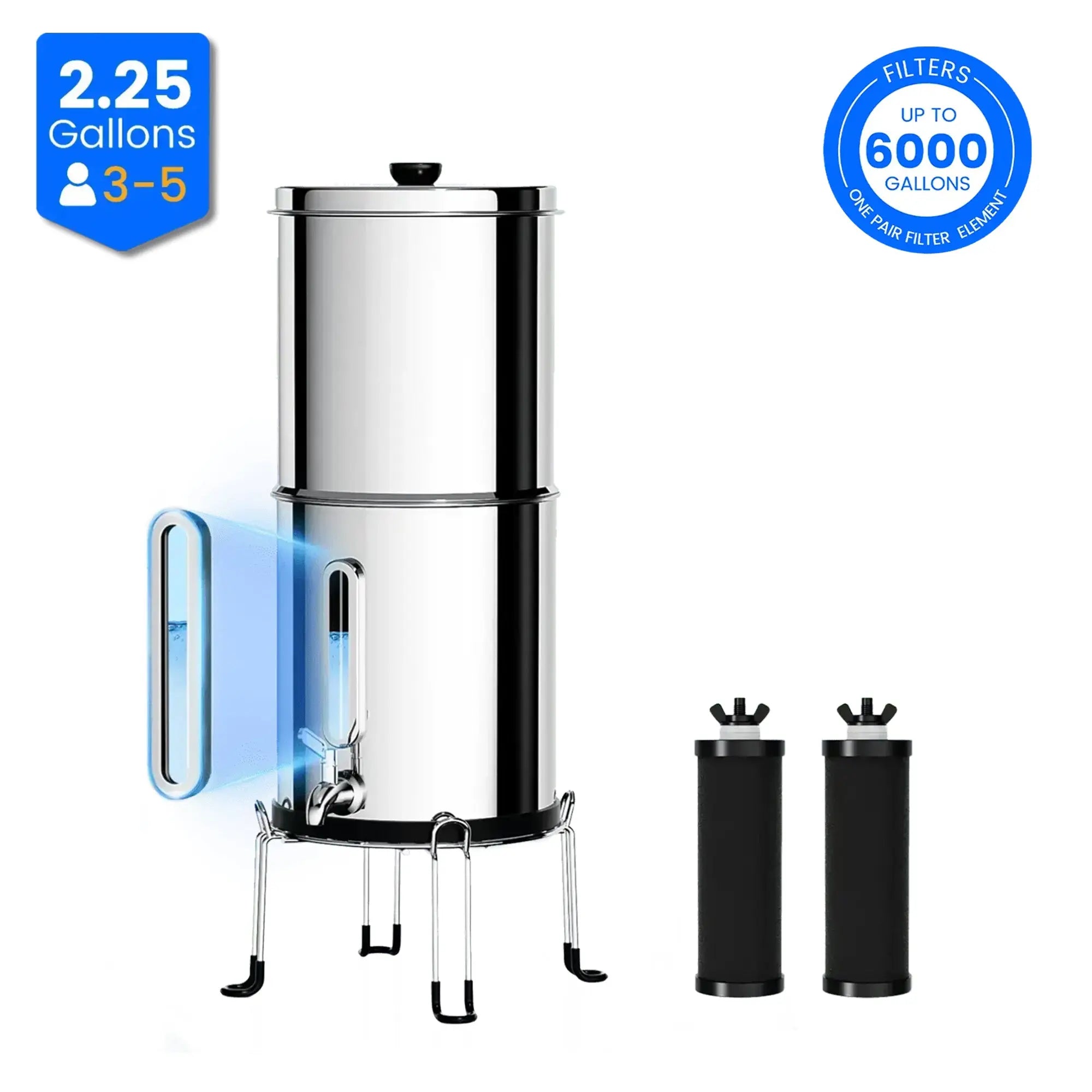
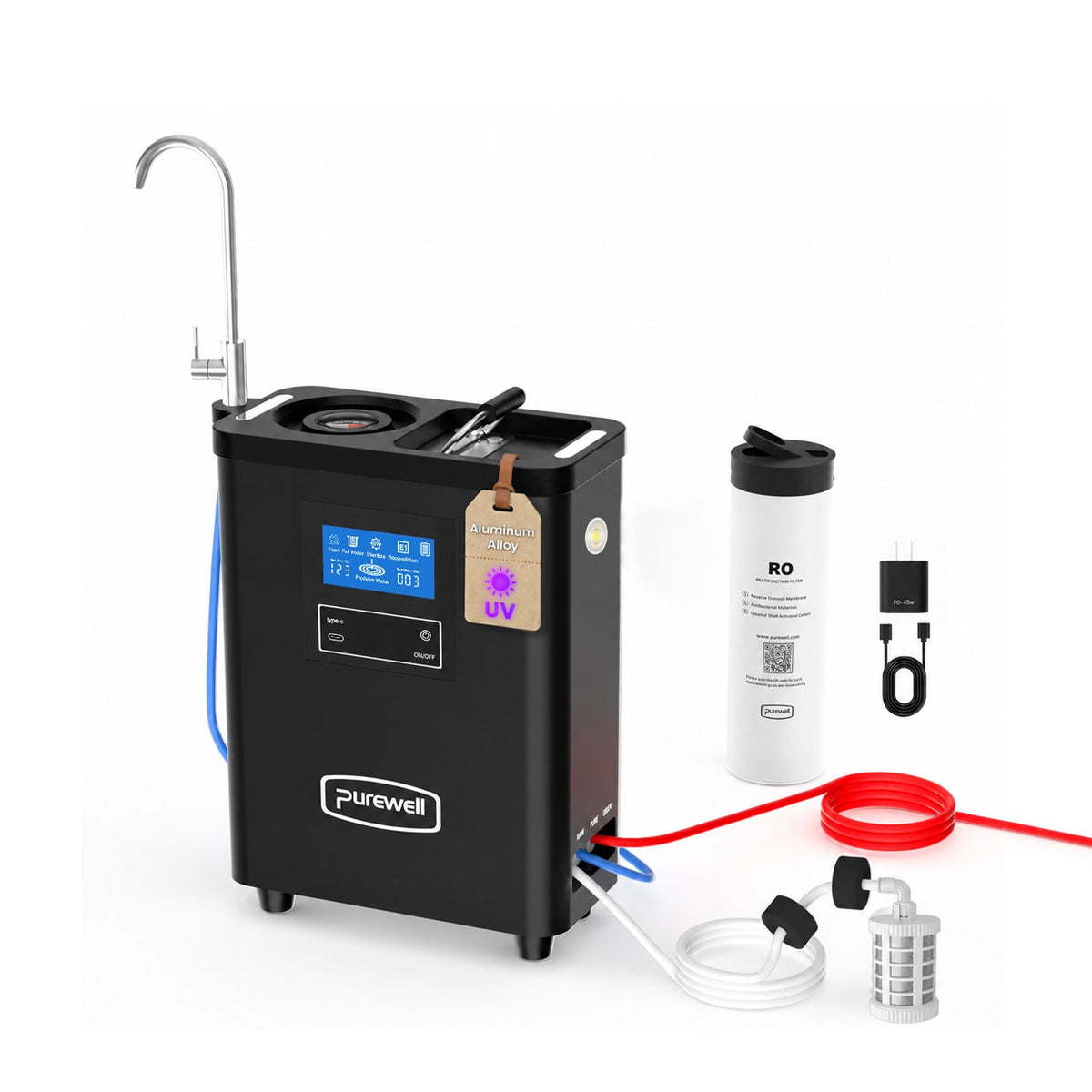
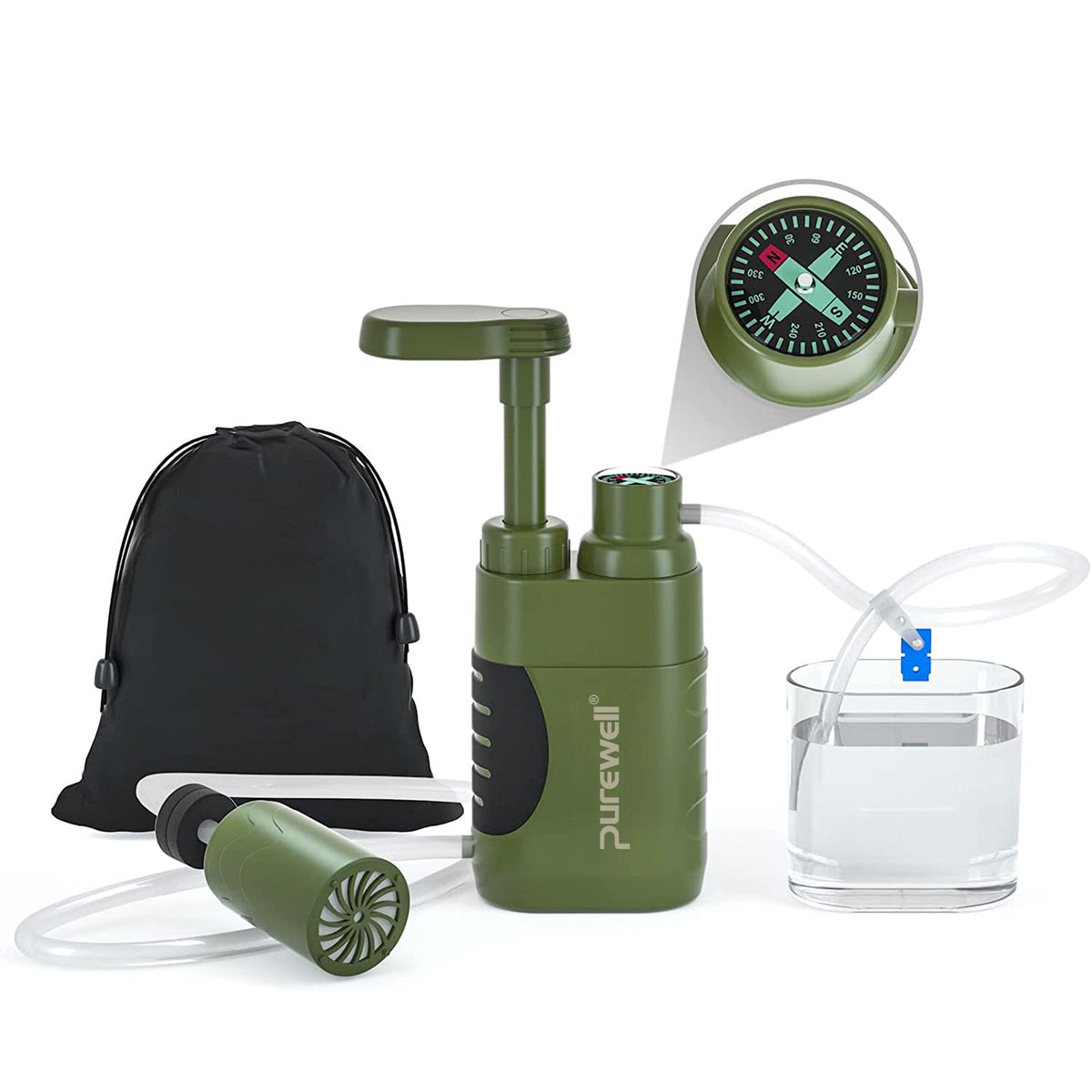
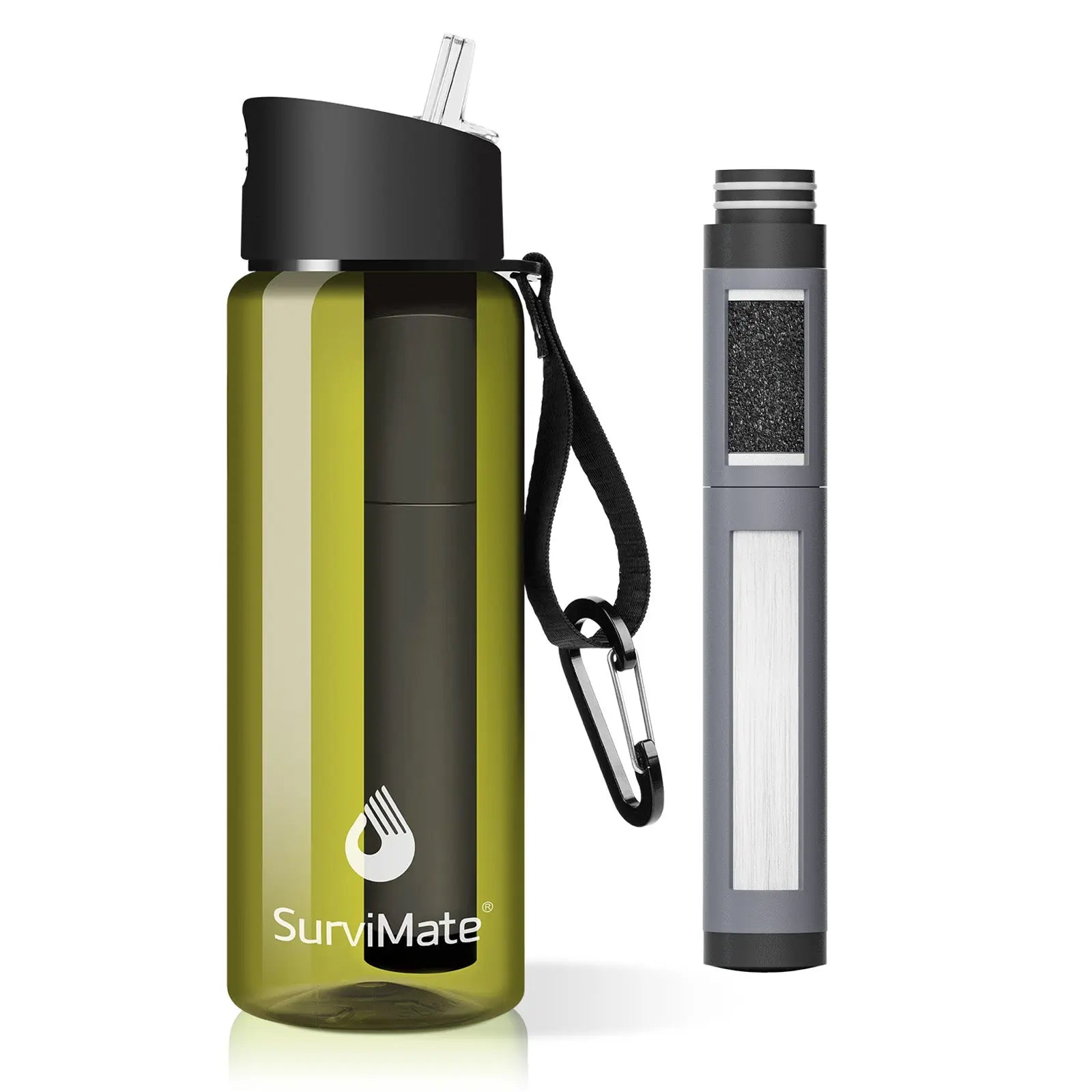
Choose a countertop gravity system if you want a simple, non-electric option for everyday home use. Consider a countertop RO system when reducing dissolved substances and TDS is an important goal. For camping, travel, RV use, or emergency preparation, explore Purewell portable filtration products.
You should also consider your water source, household size, available space, and main filtration concerns.
Should I choose a gravity filter or a countertop RO system?
A gravity system works without electricity or a plumbing connection. Water moves naturally through the filters and collects in the lower chamber.
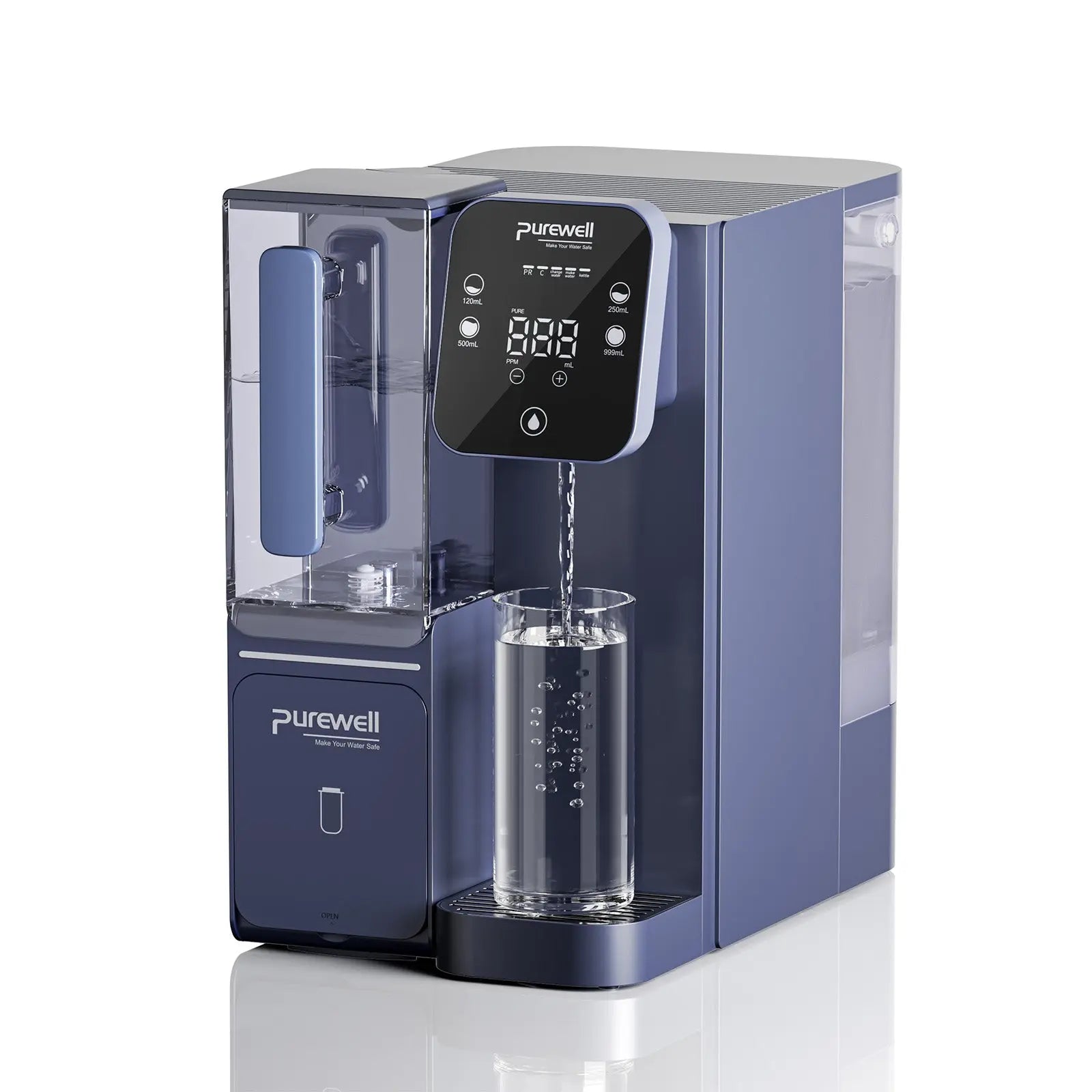
A countertop RO system uses electricity and reverse osmosis technology to reduce a broader range of dissolved substances. It normally requires periodic flushing, filter replacement, and model-specific maintenance.
What gravity system capacity should I choose?
Choose based on the number of users, daily drinking-water needs, available countertop space, and how often you are comfortable refilling the system.
A smaller system is easier to place in compact kitchens, apartments, or RVs. A larger system stores more filtered water and may be more convenient for families or frequent daily use.
Which product is best for one person?
A compact gravity system, portable filter bottle, or countertop RO unit may be suitable for one person.
The right option depends on whether you need a home system, a travel product, or stronger reduction of dissolved substances.
Which product is best for a family?
For regular household use, consider a larger-capacity gravity system or countertop RO system.
Also compare daily output, refill frequency, filter configuration, replacement cost, and available countertop space before ordering.
Can I use a Purewell system in an apartment or rented home?
Many Purewell countertop systems do not require permanent plumbing changes.
Check whether the selected product requires electricity, faucet connections, drainage, or additional clearance before ordering.
WHAT WILL IT FILTER?
Does every Purewell filter reduce the same substances?
No. Filtration performance depends on the filter media, pore size, filtration technology, and filter configuration.
Always review the product-specific filtration information and corresponding test documents instead of assuming that every Purewell filter provides the same performance.
How do I know which filter addresses my main water concern?
Identify your main concern first, such as chlorine taste, odor, sediment, fluoride, dissolved substances, microorganisms, or selected heavy metals.
Then compare the product description and test reports for the exact filter or system you are considering.
Will a gravity filter reduce TDS?
Most carbon and ultrafiltration gravity systems are not primarily designed to produce a large reduction in TDS.
TDS measures dissolved ions, minerals, and salts. A similar reading before and after gravity filtration does not automatically mean that the filter is not working.
Which Purewell products are designed to reduce TDS?
Choose a reverse osmosis product or a filter option specifically identified for TDS reduction.
Do not rely only on the product’s appearance or the number of filtration stages. Review its filtration technology and supporting performance information.
Will the filter remove minerals from my water?
This depends on the filtration technology.
Many gravity carbon and ultrafiltration systems allow a large portion of dissolved minerals to remain. Reverse osmosis systems reduce a broader range of dissolved substances, which can include minerals.
Can I use the filter for water with an unknown contamination problem?
A water filter should not replace proper water testing when the source or contamination risk is unknown.
Test the water first or consult the appropriate local authority. Choose a filtration product based on the identified water conditions and the product’s documented performance.
Does filtered water always have a lower TDS reading?
No. TDS is only one measurement and does not show chlorine, odor, many organic compounds, microorganisms, or every filtration result.
Evaluate a product based on its intended filtration performance rather than using a TDS meter as the only test.
WATER SOURCE CONFIRMATION
Can I use Purewell systems with tap water?
Most home filtration systems are intended for treated freshwater, but requirements vary by product.
Review the permitted water source and operating conditions shown in the manual for your specific system.
Can I use a gravity system with well water?
Well-water quality varies significantly.
Before using a filtration system, test the well water for microorganisms, minerals, metals, chemicals, and other relevant concerns. Select a filter only after confirming that its documented performance matches the water conditions.
Can I use a Purewell filter during a boil-water advisory?
Follow the instructions issued by your local water authority.
Not every water filter is designed or validated to address all microorganisms or viruses. Do not stop boiling water unless the local advisory has ended or the selected purifier is specifically appropriate for the identified risk.
Can I filter lake, river, or stream water?
Only use natural freshwater with a product specifically designed for outdoor or emergency water filtration.
Choose the clearest available water and avoid sources affected by industrial discharge, chemical spills, agricultural runoff, saltwater, or visible algae blooms.
Can Purewell products filter seawater?
Standard gravity systems, portable filters, and countertop RO products intended for freshwater should not be used to desalinate seawater.
Use only the water sources permitted in the product instructions.
Can I filter hot water?
Do not pour hot or boiling water into a filter unless the product instructions specifically allow it.
High temperatures may damage filter media, membranes, seals, plastic components, or system connections.
Can I use rainwater?
Rainwater quality depends on the collection surface, storage tank, environment, and local contamination risks.
Test the water and confirm that the selected product is appropriate before using filtered rainwater for drinking.
BEFORE YOUR FIRST USE
What should I check when my order arrives?
Confirm that the package contains the correct system, filters, spigot, washers, plugs, accessories, and instructions. Inspect all parts for shipping damage before filling, installing, priming, or activating the product.
Should I wash the system before using it?
Clean all washable water-contact components according to the product instructions. Do not use harsh chemicals, abrasive cleaners, or detergents on filter elements unless specifically permitted.
Do new filters need to be prepared?
Preparation varies by filter type. Some filters require rinsing, cleaning, priming, soaking, or flushing before normal use. Follow the instructions for the exact filter you received.
Do I need to discard the first filtered water?
Some filters and systems require one or more initial flushing cycles. Follow the product-specific first-use instructions before drinking the filtered water.
Is a slower flow normal during first use?
Some new filters need time to become fully saturated or properly prepared. Confirm that all preparation steps were completed and that the filter is installed correctly before evaluating its normal flow rate.
Why are there small particles in the first batch of water?
Small amounts of loose filtration media or carbon fines may appear during initial flushing with some filter types. Continue the required flushing process. Stop using the product and contact support if particles continue after the recommended preparation steps.
Do I need tools to assemble a gravity system?
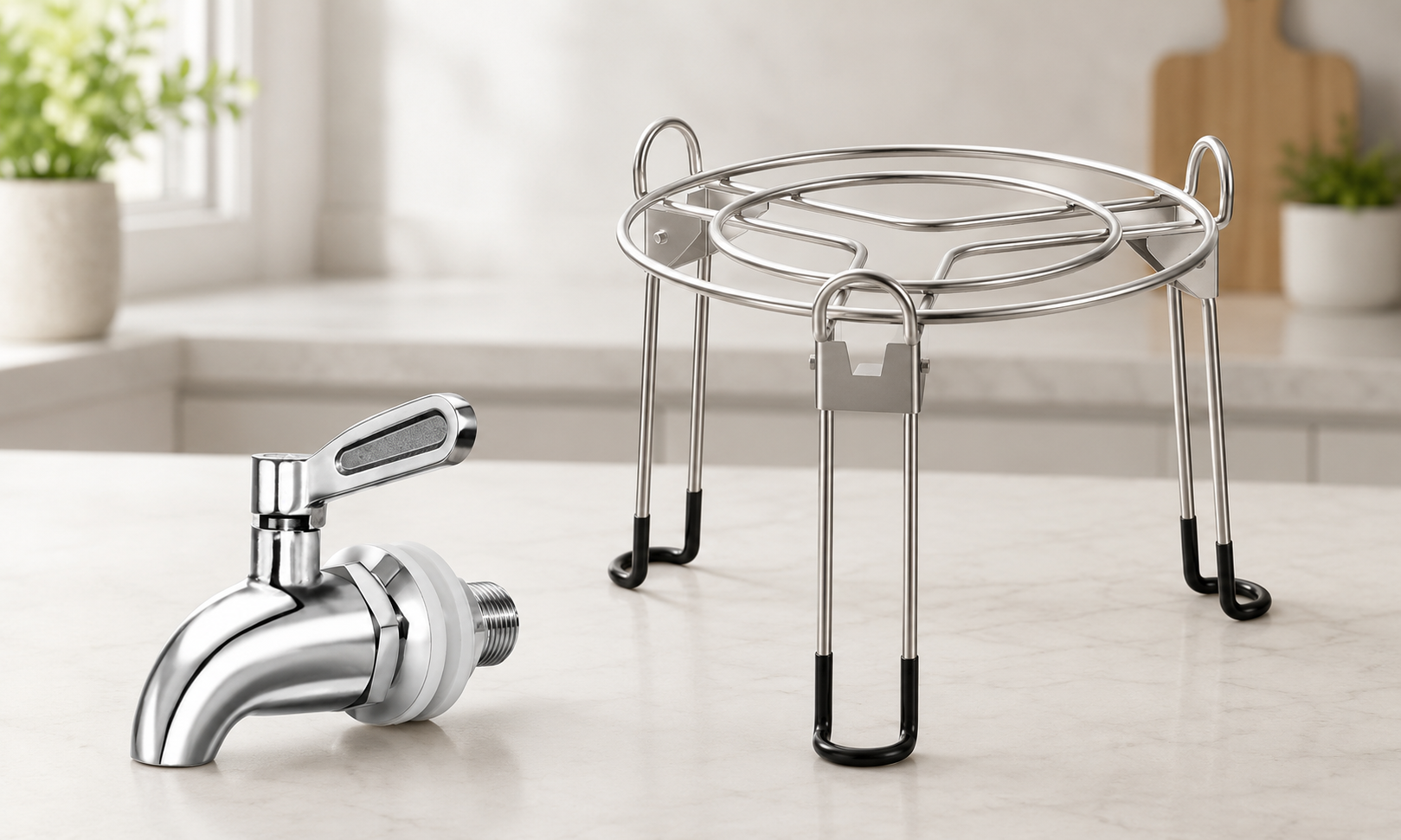
Most gravity systems are designed for straightforward assembly using the included components. Install every washer, nut, filter, spigot, and hole plug in the correct position. Avoid overtightening the parts.
DAILY USE & CARE
How much water should I add to the upper chamber?
Before refilling, check how much filtered water is already stored in the lower chamber. Do not add more water than the lower chamber can receive, as this may cause water to escape between the chambers.
How often should I clean my system?
Cleaning frequency depends on usage, water quality, and the selected product. Clean the chambers, spigot, tanks, bottles, hoses, and other washable components regularly according to the product instructions.
Can filtered water stay in the system overnight?
Filtered water should be kept in a clean system and refreshed regularly. Storage conditions, room temperature, system cleanliness, and water source can affect water quality. Avoid leaving water unused for extended periods.
Should the lid be airtight?
Gravity systems normally require appropriate airflow for water to move correctly. Do not seal, modify, or block system parts unless instructed by the product manual.
Can I add ice, fruit, or flavoring to the system?
Only add source water to the filtration chamber. Ice, fruit, flavoring, powders, beverages, and other ingredients may clog or contaminate the filter and internal components.
Can I put the entire system in a dishwasher?
Do not place filters, electronic components, membranes, hoses, seals, or complete filtration systems in a dishwasher unless the instructions specifically state that they are dishwasher-safe.
How should I clean stainless steel chambers?
Use clean water and a soft cloth or non-abrasive sponge. Avoid steel wool, abrasive powders, corrosive cleaners, and harsh chemicals that may scratch the surface or leave residue.
What should I do before leaving the system unused?
Empty the system, clean the washable components, and follow the storage instructions for the filters. Different filter types may have different drying, sealing, refrigeration, or replacement requirements.
REPLACEMENT FILTERS
How do I find the correct replacement filter?
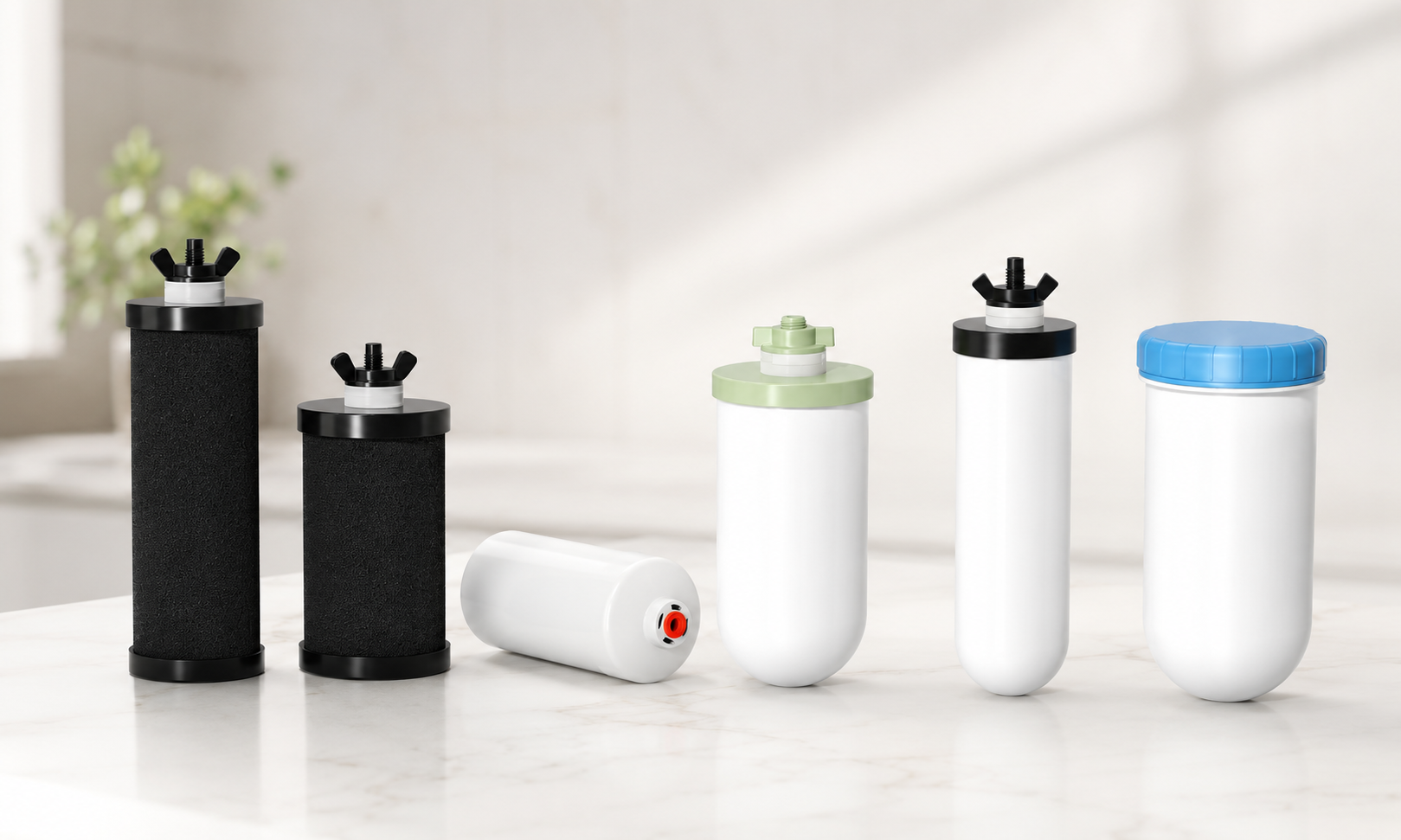
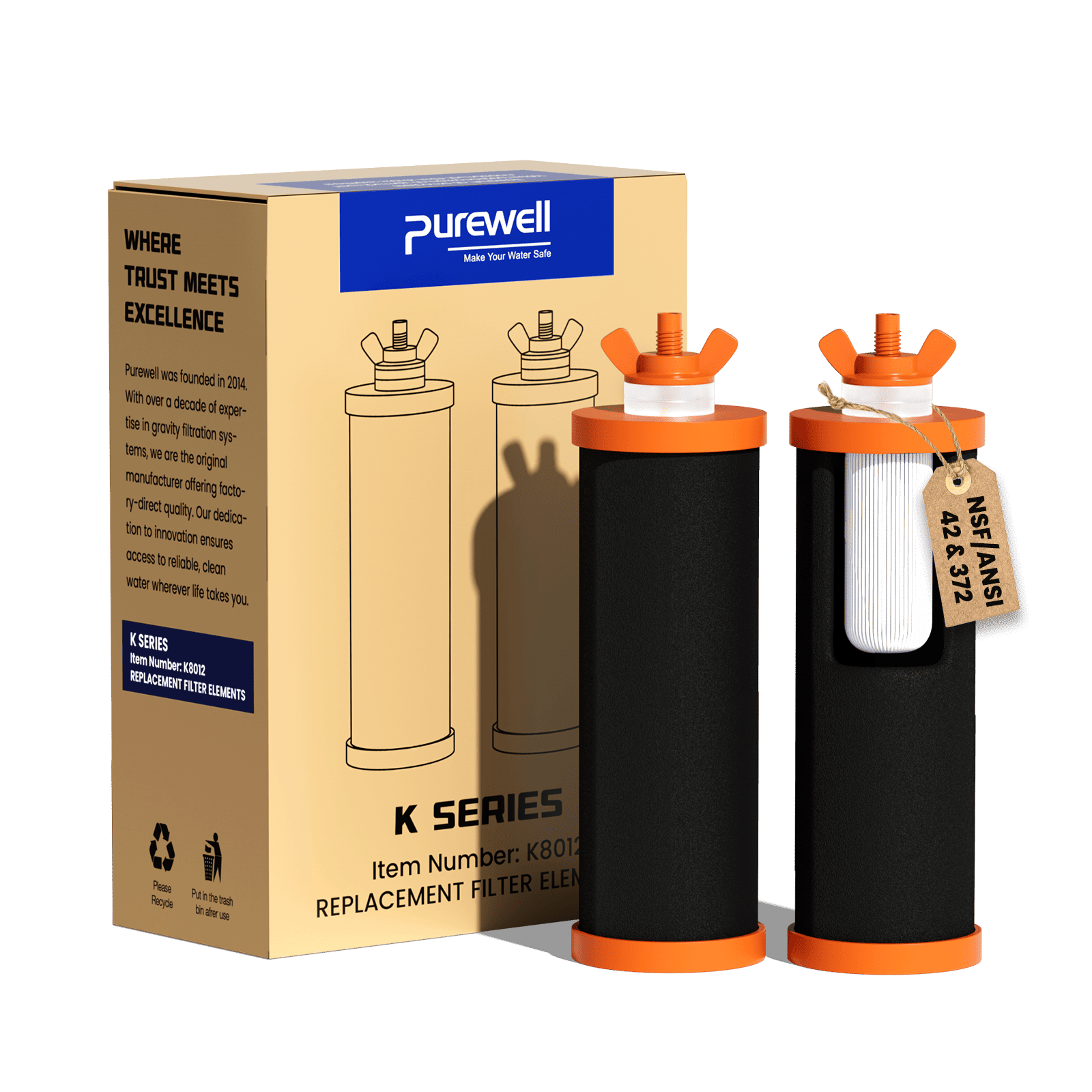
Start with the product series, model, filter shape, connection type, and current filter configuration. Use the compatibility information on the replacement-filter page or send Purewell a clear product photo and order number for confirmation.
Are all Purewell gravity filters interchangeable?
No. Purewell systems may use different filter shapes, threads, seals, sizes, and configurations. Only use a replacement filter that is specifically confirmed as compatible.
Can I use filters from another brand?
Compatibility should not be assumed based only on appearance or approximate dimensions. An incompatible filter may not seal correctly and may affect flow, fit, filtration performance, or warranty support.
How long does a replacement filter last?
Filter life depends on its rated capacity, source-water quality, contaminant levels, daily volume, maintenance, and storage conditions. The published service life is a reference under specified or typical conditions, not an exact replacement date for every household.
How do I know when the filter needs to be replaced?
Replace the filter when it reaches its rated capacity or recommended service period. Other signs may include permanently reduced flow, persistent taste or odor changes, visible damage, improper storage, or performance that does not improve after approved cleaning.
Should I replace every filter at the same time?
This depends on the system and filter configuration. Filters with different media or functions may have different service lives. Follow the replacement schedule for each individual filter.
Can I clean a filter instead of replacing it?
Some filter surfaces can be cleaned to restore flow, but cleaning does not reset the filter’s rated service life or restore exhausted filtration media. Only clean filters using the approved method for that model.
Can I store an opened but unused filter?
Storage requirements vary by filter type and whether it has contacted water. Follow the product-specific storage instructions. Replace the filter if it was stored incorrectly, developed an odor, froze after becoming wet, dried when it should remain wet, or shows visible damage.
TROUBLESHOOTING
Why is the filtration flow very slow?
Possible causes include incomplete filter preparation, trapped air, sediment buildup, clogged filter surfaces, low water level, incorrect installation, or an expired filter. Check the setup and approved cleaning instructions before replacing the filter.
Why has the water stopped flowing?
Confirm that water is present in the upper chamber, the filter openings are not blocked, all protective caps have been removed, and the filters were installed and prepared correctly. If approved cleaning does not restore flow, the filter may need replacement.
Why is water leaking from the spigot?
Check the position of the inner washer, outer washer, nut, and spigot body. Make sure the opening is clean and the components are tightened evenly. Do not overtighten, as this may deform the washer or damage the seal.
Why is water leaking between the upper and lower chambers?
The lower chamber may already be full. Check the filtered-water level before refilling the upper chamber. Water can escape between the chambers when the lower chamber does not have enough remaining capacity.
Why does the water have an unusual taste or smell?
Possible causes include incomplete initial flushing, an expired filter, improper storage, stagnant water, an unclean chamber, or a change in source-water quality. Clean and flush the system according to the instructions. Stop using it and contact support if the issue continues.
Why are black particles appearing in the water?
Small carbon particles may appear during the initial preparation of certain filters. Complete the required flushing process. If particles continue, inspect the filter for damage and contact support before further use.
Why is the filtered water cloudy?
Cloudiness can sometimes be caused by trapped air released during filtration. Allow the water to stand briefly. Stop using the system and investigate further if the cloudiness does not clear or is accompanied by sediment, discoloration, odor, or unusual taste.
Why is the new filter faster or slower than my old filter?
Flow rates can vary because of filter media, filter configuration, water temperature, source-water quality, filter preparation, and the number of filters installed. Compare filters only under similar conditions.
Why does my stainless steel system have water spots?
Minerals in water can leave spots or marks after droplets dry on stainless steel. Wipe the surface regularly with a soft cloth and use only approved cleaning methods.
What should I send customer support for troubleshooting?
Include your order number, product name or model, filter type, installation date, water source, clear photos, a short video showing the issue, and the troubleshooting steps already attempted.
TESTING & CERTIFICATIONS
Are Purewell products independently tested?
Purewell provides third-party test reports and certification documents for applicable products, filters, components, and materials.
Testing coverage varies, so always verify that the document applies to the exact product or filter you are considering.
Does one test report apply to every Purewell system?
No.
A report applies only to the model, filter, component, material, or tested sample identified in that document. Similar-looking products should not automatically be assumed to have identical test results.
What is the difference between certification and laboratory testing?
Certification confirms compliance with a specified standard for the products or components included within its scope.
A laboratory report records the performance of a particular sample under defined test conditions. Both are valuable, but they communicate different types of evidence.
What does NSF/ANSI 42 mean?
NSF/ANSI 42 addresses drinking-water treatment products intended to improve aesthetic qualities such as taste and odor, along with applicable material and structural requirements.
Always check which product or component is included in the certification scope.
What does NSF/ANSI/CAN 372 mean?
NSF/ANSI/CAN 372 relates to compliance with lead-content requirements for products and components that come into contact with drinking water.
It does not, by itself, confirm the full contaminant-reduction performance of a filtration system.
Why can laboratory results differ from home use?
Laboratory tests use defined water conditions, contaminant concentrations, flow rates, temperatures, and testing procedures.
Actual performance can be affected by source-water quality, installation, filter age, maintenance, usage volume, and operating conditions.
Where can I verify a filtration claim?
Review the product page, performance data, certification scope, and corresponding laboratory report.
Confirm that the document identifies the relevant filter or system rather than relying only on a general brand statement.
OUTDOOR & EMERGENCY USE
Which outdoor product should I choose?
Consider the number of users, trip length, water source, filtration speed, portability, battery access, and whether you need filtration or purification. A personal bottle may suit individual use, while an electric purifier, pump, or portable RO system may be more practical for groups or longer trips.
Should I choose the clearest available water?
Yes. When using natural freshwater, collect from the clearest available location and avoid disturbing sediment at the bottom. Pre-filter visibly dirty water when the product instructions recommend it.
Can outdoor filters remove viruses?
Not every outdoor filter is designed or tested for virus reduction. Review the product-specific filtration technology and performance information before using it in an area where viruses may be a concern.
Can I use water containing algae or chemicals?
Avoid water affected by visible algae blooms, fuel, pesticides, industrial discharge, chemical spills, mining runoff, saltwater, or other known chemical contamination. Portable filtration products are not designed to make every water source suitable for drinking.
Can a wet membrane filter be allowed to freeze?
Freezing can damage certain wet membrane filters. Protect used filters from freezing temperatures and follow the model-specific cold-weather and storage instructions.
How should I store an outdoor filter after a trip?
Clean, flush, drain, dry, seal, or store the filter according to its specific instructions. Do not assume that every membrane, carbon filter, bottle, hose, or electric purifier uses the same long-term storage method.
What should I check before an emergency?
Confirm that the product is complete, clean, charged when applicable, and equipped with a usable filter. Keep the manual, charging cable, hose, pre-filter, replacement parts, and appropriate clean-water containers together.
COUNTERTOP RO SUPPORT
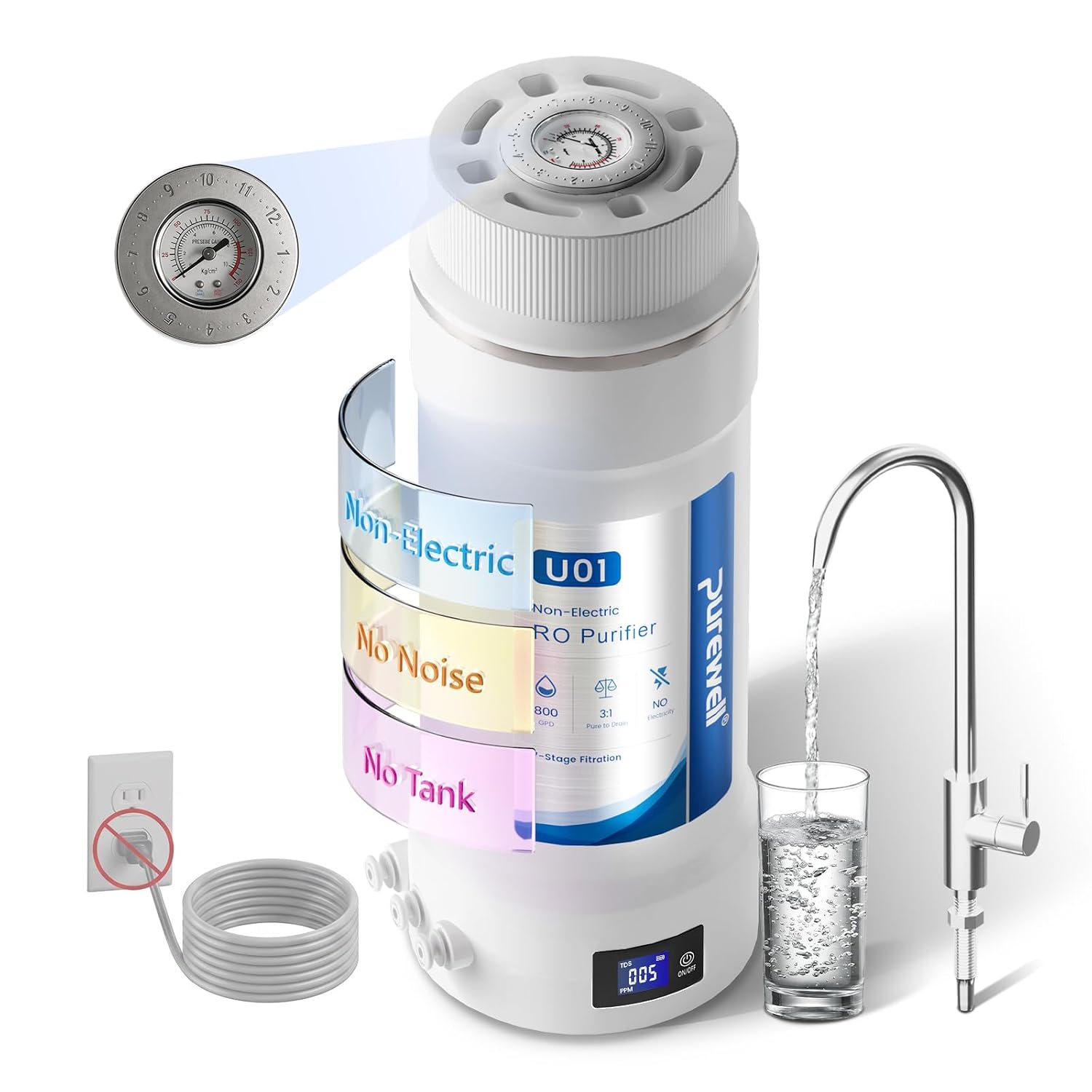
Does a countertop RO system require electricity?
Most countertop RO systems require electricity to operate the pump, controls, display, heating, cooling, or dispensing functions. Review the electrical requirements before choosing a location.
Does a countertop RO system require plumbing installation?
Many countertop RO systems are designed without permanent under-sink installation. However, they still require regular tank filling, concentrate-water disposal, cleaning, filter replacement, and access to a suitable electrical outlet.
Why does an RO system produce concentrate water?
Reverse osmosis separates part of the incoming water into filtered water and a more concentrated stream containing rejected dissolved substances. The amount of concentrate water varies by product, source-water conditions, filter condition, and operating design.
Why is the RO system filtering more slowly?
Possible causes include low water temperature, high TDS, hard water, scale buildup, clogged filters, an aging membrane, or incomplete maintenance. Follow the model-specific cleaning, descaling, and filter-replacement instructions.
Why does my TDS reading change from one cycle to another?
TDS readings may vary because of incoming-water quality, temperature, filter age, tank condition, testing method, or residual water inside the system. Compare readings using the same water source, clean containers, and consistent testing conditions.
How often should I clean the source-water and filtered-water tanks?
Clean removable water tanks regularly according to the product instructions. Do not allow water residue, mineral deposits, or biofilm to accumulate inside the tanks.
How do I know which RO filter needs replacement?
Use the filter-life indicator when available and compare it with the recommended service period. Different pre-filters, carbon filters, RO membranes, and post-filters may have different replacement intervals.
Does hard water affect an RO system?
Hard water can contribute to scale buildup and may reduce membrane flow or service life. Depending on the model and local water hardness, more frequent descaling, maintenance, or filter replacement may be required.
ORDERS, RETURNS & WARRANTY
How can I confirm what is included before ordering?
Review the package list on the product page. Confirm the number of chambers, filters, plugs, spigot type, accessories, power adapters, hoses, and replacement parts before completing your purchase.
Can I change my order after placing it?
Contact Purewell as soon as possible. Changes cannot be guaranteed after the order has entered processing, packing, or shipment.
Why did my order arrive in more than one package?
Systems, filters, accessories, and replacement parts may ship separately because of package size, inventory location, or warehouse availability. Check all tracking numbers before reporting an item as missing.
Can I return a system after water has passed through it?
Water-contact products may have return restrictions after they have been installed, filled, primed, activated, or used. Review the return conditions before using the product if you are unsure whether it is suitable.
Can I return an opened replacement filter?
Opened or water-exposed filters may not be eligible for a standard return because they are hygiene-sensitive products. Contact support if the filter arrived damaged, defective, incorrect, or incompatible with the system listed in your order.
What should I do if the product arrives damaged?
Do not discard the carton, internal packaging, shipping label, product, or accessories. Take clear photos or videos and contact Purewell with your order number and a description of the damage.
Does the warranty cover replacement filters?
Filters are consumable components and naturally decline with use. Warranty coverage generally focuses on verified manufacturing defects rather than normal consumption, clogging, incorrect installation, unsuitable water sources, or expired filter life.
Does Purewell support products purchased from another marketplace?
Contact the original seller or marketplace first when required by its order and return process. Keep your order confirmation and seller information, as purchases from different channels may follow different return or warranty procedures.
How can I get faster customer support?
Provide your order number, exact product, filter type, purchase date, water source, photos, video, and a clear explanation of the issue in your first message. Incomplete information may delay diagnosis and resolution.
Have a question? We’re here to help