Skip to content

What are you looking for?

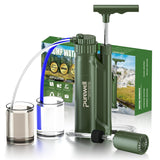
Portable Hand-Pump Reverse Osmosis Water Filter

Regular price $55.99 USD $55.99 0% OFF


/
Tax included.   Shipping calculated at checkout.
Only 10 left - Selling fast
Product Type: Green
Spent $100.00 more to get free shipping
Estimated delivery between - .

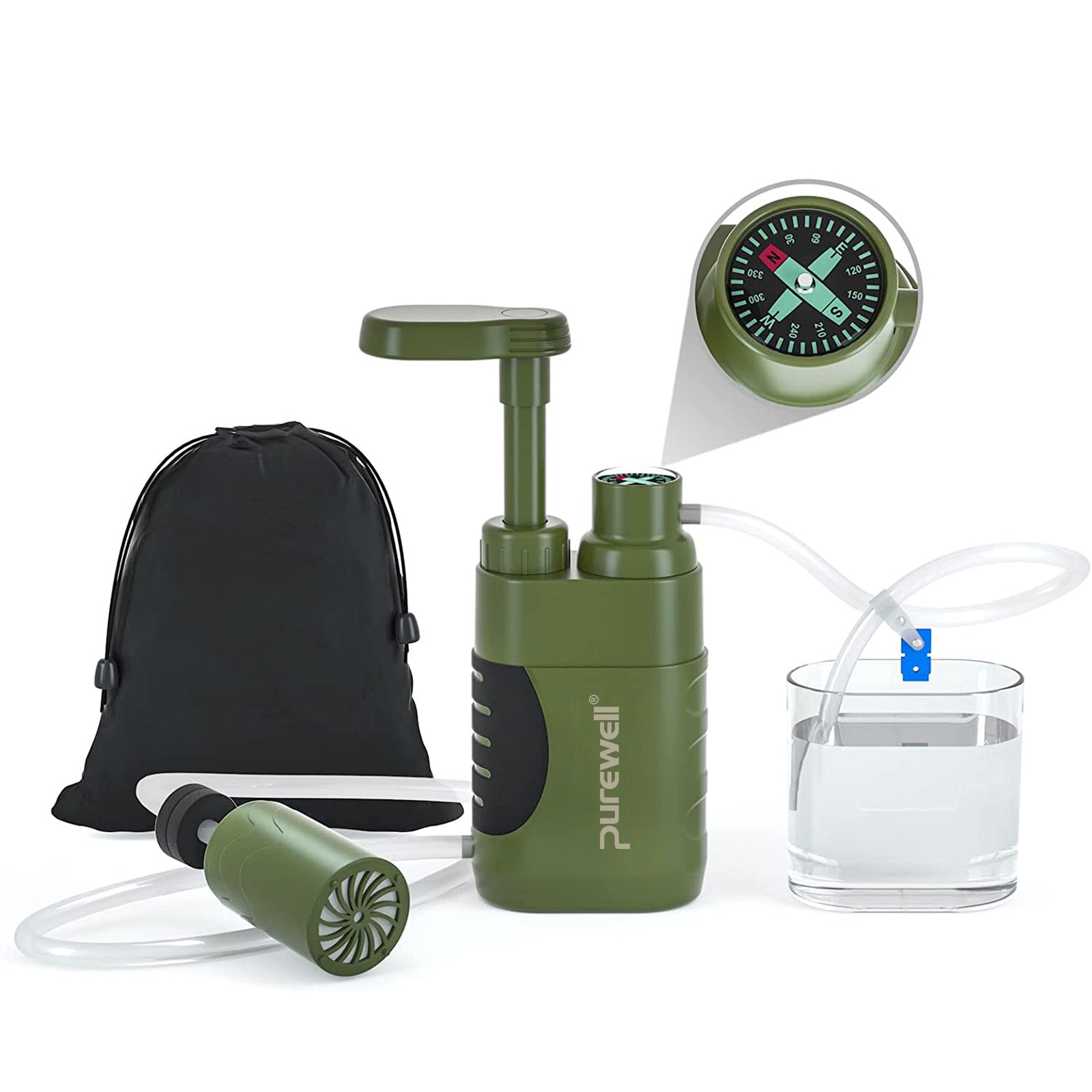
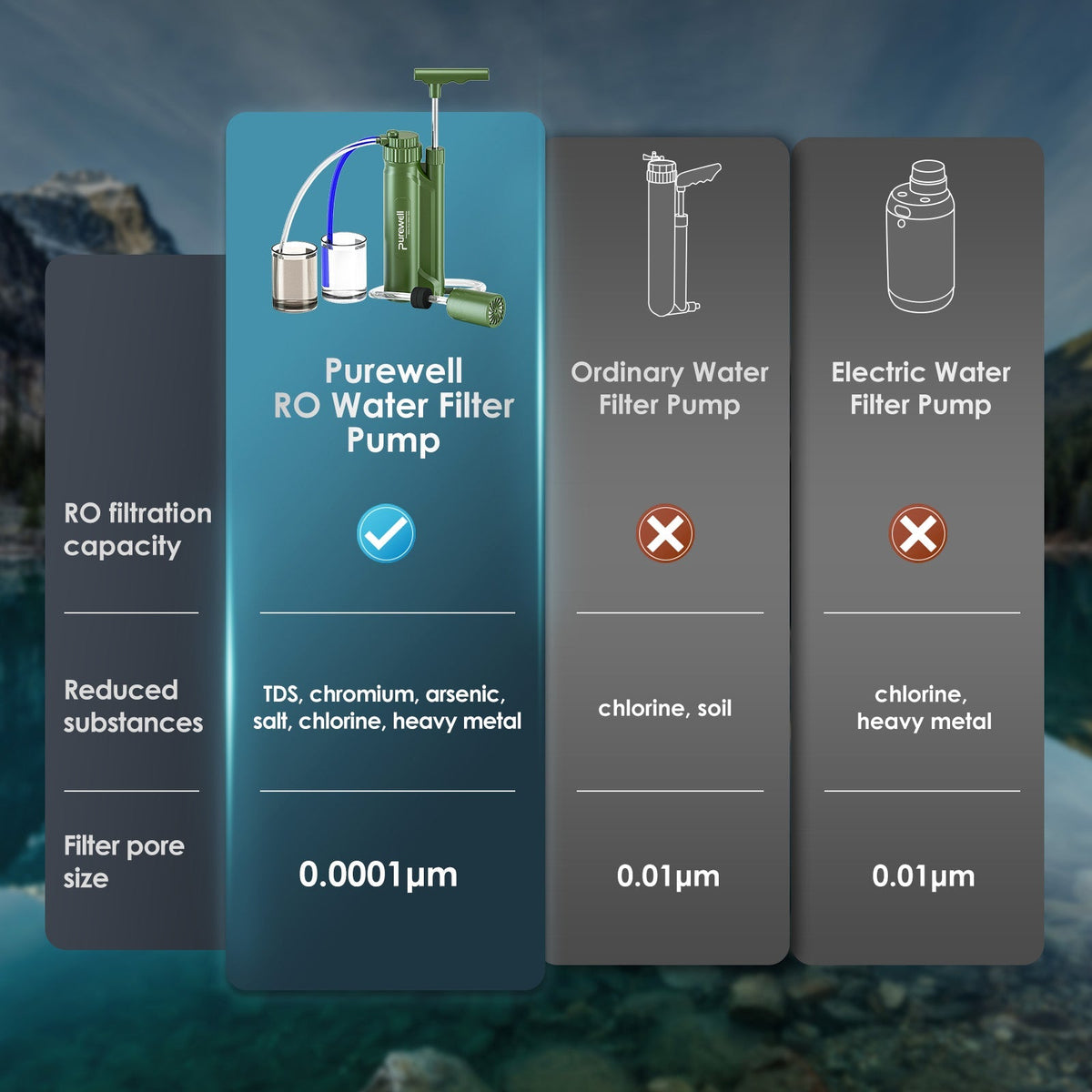
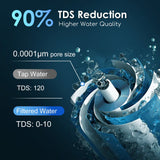
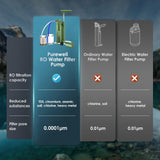
Enjoy high-precision water filtration wherever your journey takes you. The Purewell Portable Hand-Pump Reverse Osmosis Water Filter uses a 0.0001 μm RO membrane and manual pump pressure to filter source water without electricity or batteries. Its compact, portable design is ideal for camping, hiking, emergency preparedness, remote travel, and off-grid use.

Ask about Portable Hand-Pump Reverse Osmosis Water Filter

Product Details

Product Overview

01
Product Name Portable Hand-Pump Reverse Osmosis Water Filter

A compact manual RO filtration system designed for camping, hiking, travel, emergency preparedness, and remote water treatment.

Model K8190

A portable pump-driven filtration system that creates the pressure needed to move source water through an RO membrane without electricity.

RO Filtration Precision 0.0001 μm RO Membrane

High-precision reverse osmosis filtration designed to reduce dissolved solids and a broad range of contaminants from source water.

High-Precision RO Filtration
Rated Filter Capacity Up to 10,000 L / 2,641 Gallons

Actual filter life may vary according to source-water quality, dissolved solids, sediment, maintenance, and frequency of use.

Replaceable Filter
Power Requirement No Electricity Required

The integrated hand pump generates filtration pressure without batteries, charging, outlets, or fixed plumbing.

Rated Flow Rate Approximately 200–300 ml/min

Output may vary according to pumping speed, water quality, temperature, and the condition of the filtration components.

Product Dimensions 9.5 × 4.5 × 27 cm

A slim vertical body designed for backpacks, emergency kits, camping equipment, and vehicle preparedness supplies.

Net Weight Approximately 415 g

A portable design that integrates the pressure pump, filter housing, filtration components, and hose connections.

Recommended Water Sources River, Stream, Lake, Well, Rainwater and Tap Water

Select the clearest available water source whenever possible to support steadier output and longer filter life.

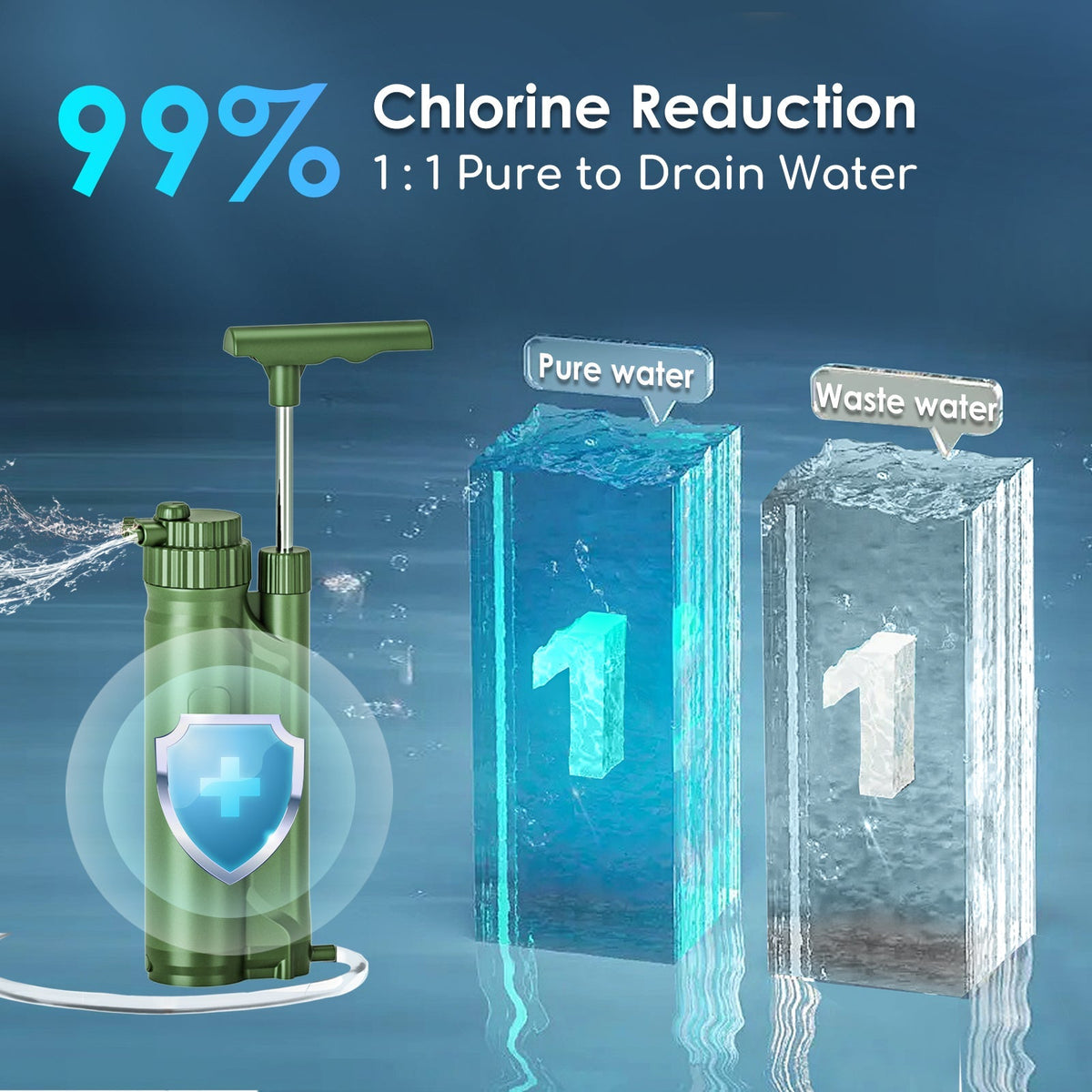
Water Separation Pure-Water and Wastewater Outlets

The RO structure separates incoming water into a purified-water stream and a wastewater stream during filtration.

Water Intake Floating External Pre-Filter

The floating intake helps position the inlet away from heavier sediment that may collect at the bottom of a water source.

Best For Camping, Hiking, Travel and Emergencies

Suitable for outdoor recreation, emergency supply kits, remote travel, vehicle preparedness, and temporary off-grid filtration.

Water-source warning: Avoid water affected by fuel, industrial chemicals, pesticides, radioactive materials, or other unknown hazardous contamination. When source-water safety is uncertain, choose a safer water source.

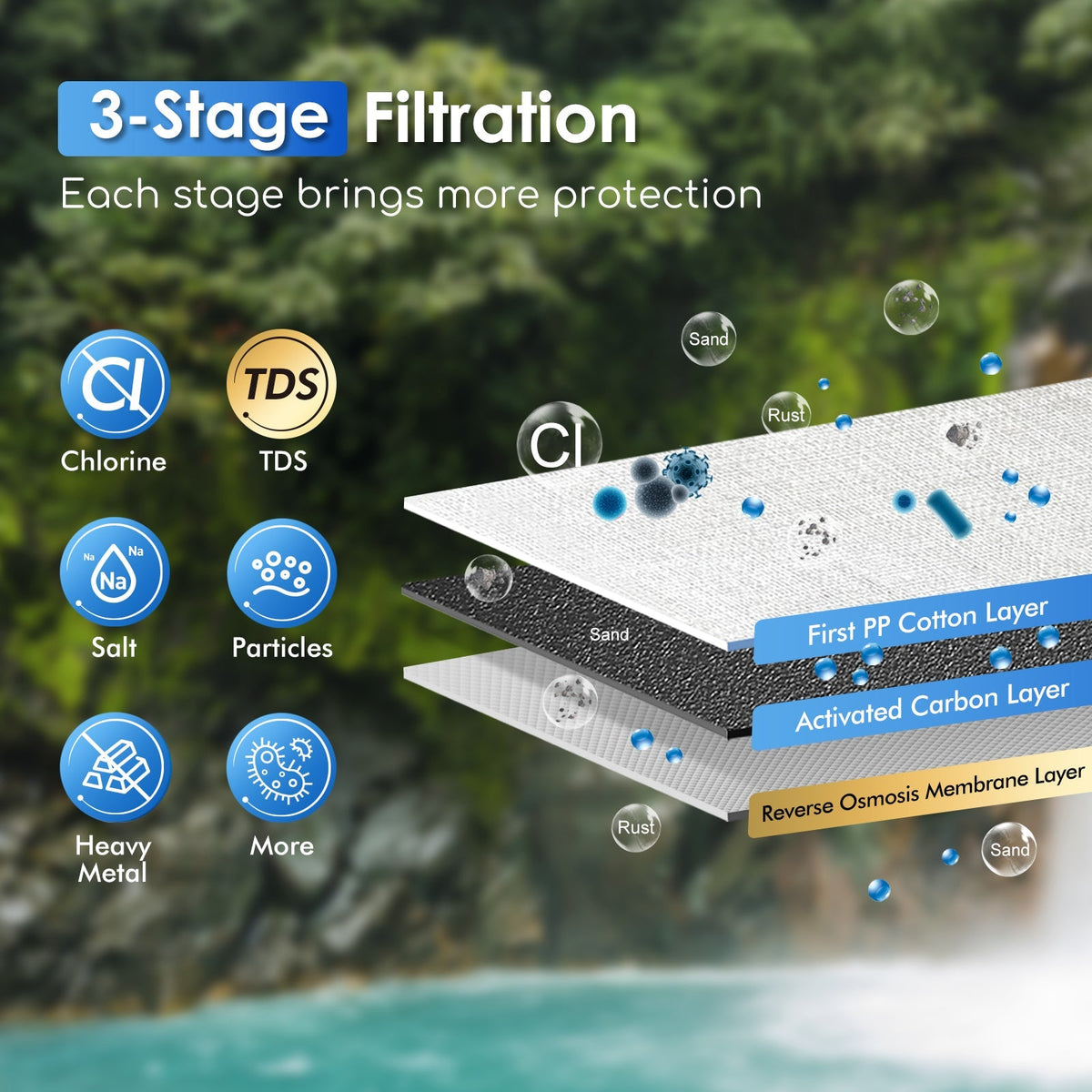
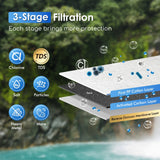
3-Stage Reverse Osmosis Filtration

02

Manual Pressure, Multi-Layer Water Treatment

Movement of the hand pump draws source water through the intake assembly and internal filtration materials. Particle control and carbon filtration help prepare the water before it reaches the high-precision reverse osmosis membrane.

01

PP Cotton Pre-Filtration

Helps intercept sediment, soil, rust particles, suspended material, and other visible debris before water reaches the finer filtration layers.

Sediment Control Particle Capture Pre-Filtration
02

Activated Carbon Filtration

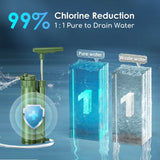
Helps reduce chlorine, unpleasant taste, and odor while helping protect the RO membrane from selected substances in the incoming water.

Chlorine Reduction Taste Improvement Odor Reduction
03

0.0001 μm RO Membrane

The reverse osmosis membrane provides high-precision filtration designed to reduce dissolved solids, salts, selected heavy metals, and other dissolved contaminants.

0.0001 μm RO Membrane Dissolved Solids Reduction
RO separation process: Purified water leaves through the pure-water outlet, while concentrated wastewater leaves through the separate wastewater outlet as part of normal RO membrane operation.

Replacement Filters & Components

03

Maintain Performance with Replaceable Components

The primary filtration cartridge and external intake pre-filter are serviceable filtration components. Replacing worn parts allows the pump body, handle, hoses, connectors, and other reusable components to remain in service.

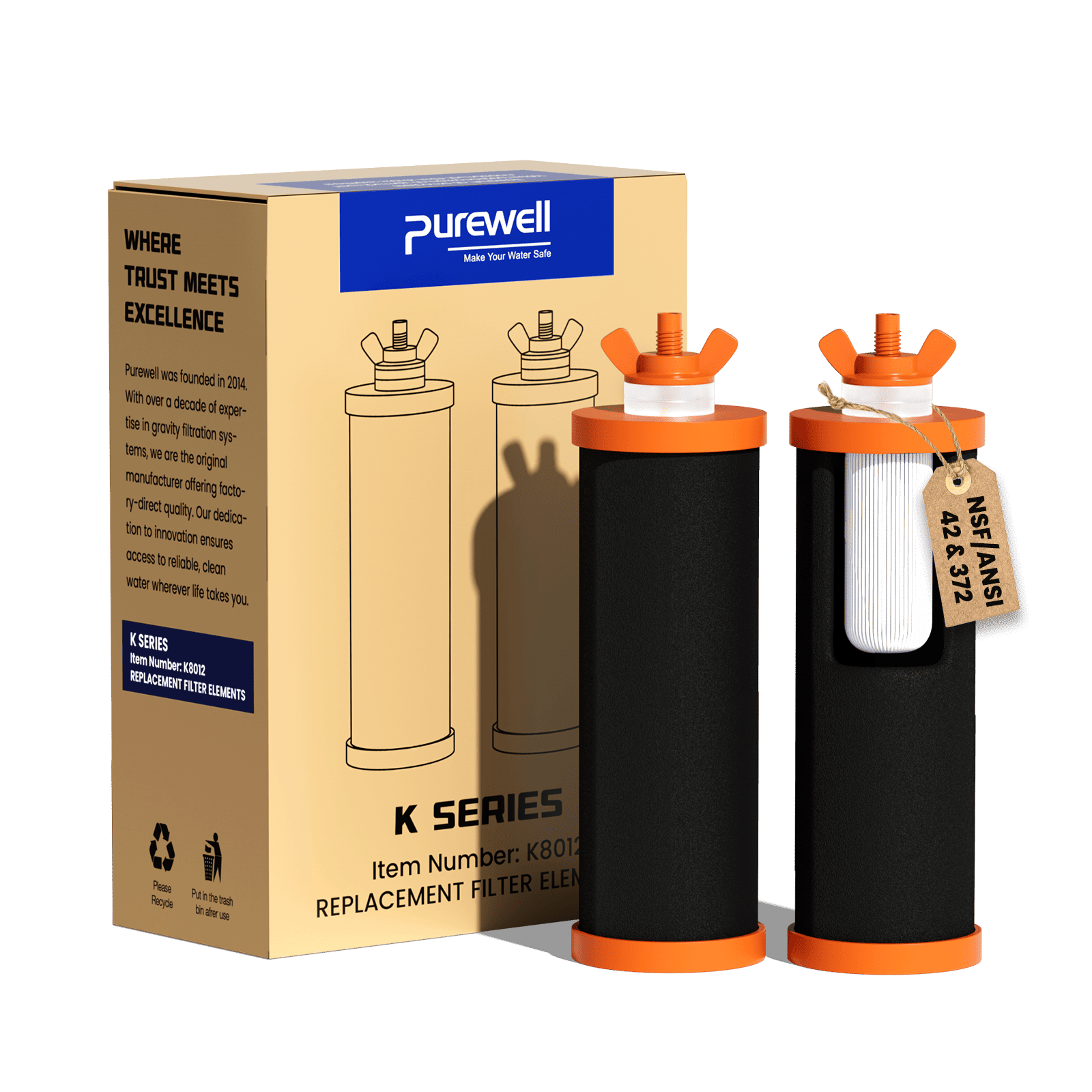
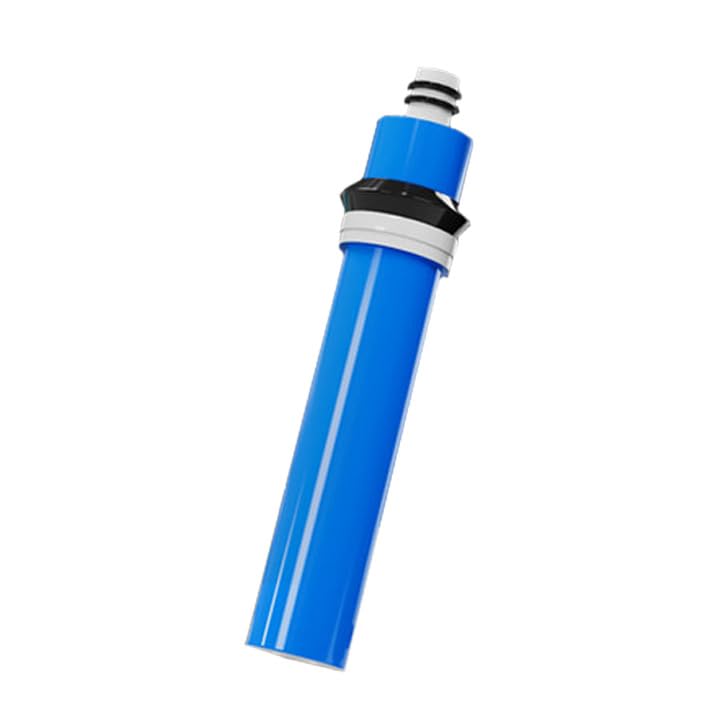
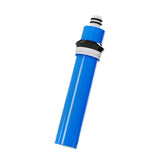
Main Replacement Filter K8190 Composite RO Filter Cartridge

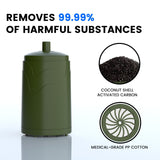
The internal cartridge combines PP cotton, activated carbon, and a high-precision reverse osmosis membrane to provide the system’s primary filtration performance.

PP Cotton Activated Carbon 0.0001 μm RO Up to 10,000 L
Designed for the K8190 RO Pump Filter
Replace when: the rated capacity is reached, purified-water output remains reduced, taste or odor changes, or the cartridge shows physical damage or abnormal performance.
Water Intake Protection Replacement External Pre-Filter

The external pre-filter connects to the source-water inlet hose and helps intercept larger particles before they enter the pump body and main RO cartridge.

External Intake PP Cotton Sediment Control Replaceable Part
Designed for the K8190 Intake Hose
Clean or replace when: visible debris accumulates, the material becomes damaged, pumping resistance increases, or water intake remains restricted after cleaning.
Replacement reminder: The 10,000-liter capacity is a maximum reference value. Source-water quality, dissolved solids, sediment, storage conditions, and frequency of use can affect actual filter life.

Key Product Indicators

04
RO Filtration Precision 0.0001 μm

High-precision reverse osmosis membrane filtration designed for dissolved-solids reduction.

Rated Filter Capacity Up to 10,000 L / 2,641 Gallons

Actual service life depends on water quality, dissolved solids, sediment, maintenance, and usage frequency.

Purified-Water Flow Rate Approximately 200–300 ml/min

Output may vary according to pumping speed, temperature, membrane condition, and source-water characteristics.

Operating Method Manual Hand-Pump Operation

Repeated handle movement creates the pressure needed to move source water through the RO filtration system.

Filter Materials PP Cotton, Activated Carbon and RO Membrane

Multiple filtration materials work together to control particles, improve taste, and provide RO filtration.

Outlet Configuration Separate Pure-Water and Wastewater Outlets

The dual-outlet structure supports the separation process required during reverse osmosis filtration.

Product Dimensions 9.5 × 4.5 × 27 cm

A compact vertical form designed for outdoor bags, emergency kits, vehicle storage, and equipment cases.

Net Weight Approximately 415 g

Portable enough for outdoor and emergency use while integrating the hand pump and filtration housing.

Care & Use Notes

05

Protect the RO Membrane and Keep the System Ready

Proper cleaning, wastewater discharge, storage, and routine inspection help maintain water flow and protect the internal filtration components. Detailed assembly and operating steps are provided separately in the product user guide.

01
Filter Water Only

Do not use the system for carbonated drinks, sugary liquids, flavored beverages, alcohol, milk, juice, or other non-water liquids.

02
Avoid Detergents and Chemicals

Do not clean the filter cartridge with soap, detergent, bleach, solvents, corrosive cleaners, or abrasive materials.

03
Keep the Wastewater Valve Open

During RO purified-water production, keep the wastewater valve open so concentrated water can discharge normally and help reduce premature membrane blockage.

04
Keep Both Outlets Separate

Do not allow the pure-water hose or clean-water container to contact the wastewater hose, untreated water, or contaminated surfaces.

05
Choose the Clearest Source Available

Heavy sediment and muddy water may increase pumping resistance, reduce output, and shorten the life of the pre-filter and RO cartridge.

06
Check the External Pre-Filter

Inspect the intake pre-filter when pumping becomes harder or water intake slows. Remove visible debris and replace damaged material.

07
Inspect Hoses and Seals

Before outdoor use, check the hoses, connectors, sealing rings, floater, valves, and filter housing for looseness, wear, cracks, or damage.

08
Rinse with Clean Water

After use, rinse the washable exterior parts, hoses, intake pre-filter, and filter housing with clean water without using detergent.

09
Remove Residual Water

Drain water from the hoses, pump body, outlets, and accessible components as thoroughly as possible before packing the system.

10
Dry Before Long-Term Storage

Allow washable components to dry in a clean, ventilated area before placing the filter, hoses, and accessories into the storage bag.

11
Store in a Cool, Dry Place

Keep the system in a dry, cool location away from direct sunlight, high temperatures, corrosive substances, dirt, and unnecessary pressure.

12
Release a Stiff Handle Carefully

If the handle becomes stiff after storage, gently rotate and move it before pumping. Do not strike the handle or force it abruptly.

13
Monitor Purified-Water Output

A persistent reduction in output may indicate a dirty pre-filter, restricted hose, closed wastewater valve, or filtration component requiring maintenance.

14
Replace the Cartridge on Time

Replace the main cartridge when its rated capacity is reached or earlier if output, taste, odor, physical condition, or overall performance changes.

15
Do Not Operate Damaged Parts

Stop using the system when the filter housing, membrane cartridge, valves, hoses, seals, or connectors appear cracked, deformed, or unable to seal correctly.

16
Keep Replacement Parts Clean

Store replacement filters and accessories in their clean packaging until needed, and avoid touching water-contact surfaces with dirty hands.

Important RO operating reminder: Do not routinely close the wastewater valve while producing RO purified water. Restricted wastewater discharge may accelerate buildup inside the membrane and reduce filtration performance.
User Guide
How to Use

Set Up, Pump and Collect RO-Purified Water

Connect the source-water intake, pure-water outlet and wastewater outlet before pumping. The integrated hand pump creates the pressure needed to move source water through the PP cotton, activated carbon and reverse osmosis filtration materials.

K8190 RO Pump Filter No Electricity Required Approximately 200–300 ml/min 0.0001 μm RO Membrane
01
Connect All Three Water Paths

Connect the long source-water inlet hose, short pure-water hose and short wastewater hose before operating the pump.

02
Keep the Pure-Water Side Clean

Prevent the pure-water hose and collection container from touching untreated water, soil, wastewater or dirty equipment.

03
Open the Wastewater Valve for RO Use

Wastewater must discharge normally while producing RO-purified water to help protect the membrane from premature blockage.

01

First-Time Assembly & Setup

Assemble the source-water intake, pure-water outlet and wastewater outlet before placing the pre-filter into the water source.

1
Inspect the system components

Check the pump body, filter cartridge, hoses, pre-filter, floaters, sealing rings, connectors and valves for visible damage or missing parts.

2
Attach the floaters to the long inlet hose

Install the supplied floaters on the longer silicone hose. They help keep the source-water intake below the surface and away from heavier sediment at the bottom.

3
Connect the external pre-filter

Secure the pre-filter to one end of the longer inlet hose. Confirm that the connection is fully inserted and does not loosen when the hose is moved.

4
Connect the inlet hose to the filter body

Attach the opposite end of the longer hose to the water inlet located near the lower section of the pump filter.

5
Connect the pure-water outlet hose

Attach one short silicone hose to the pure-water outlet. Keep this hose clean because it carries the water collected for use.

6
Connect the wastewater outlet hose

Attach the second short hose to the wastewater outlet. Direct this hose away from the pure-water container and clean-water collection area.

7
Check the wastewater valve

Set the wastewater valve to the open position before producing RO-purified water. Confirm that the wastewater hose is not folded, blocked or compressed.

Connection reminder: Keep the pure-water and wastewater hoses clearly separated. Never place both outlet hoses into the same collection container.
02

RO Filtration & Water Collection

Position the intake in the selected water source and use steady handle movements to produce purified water and discharge wastewater.

1
Choose the clearest available source

Select the clearest available water whenever possible. Heavy sediment may increase pumping resistance and reduce the service life of the pre-filter and RO membrane.

2
Place the pre-filter in the water

Submerge the pre-filter and inlet below the surface. Allow the floaters to keep the intake suspended away from bottom sediment.

3
Position both outlet hoses

Place the pure-water hose over a clean container. Direct the wastewater hose toward a separate drainage area or wastewater container.

4
Confirm that the wastewater valve is open

Normal wastewater discharge is required during RO filtration. Do not routinely close the valve while collecting RO-purified water.

5
Operate the handle with steady strokes

Pull and push the handle repeatedly at a controlled pace. Avoid striking, twisting or forcing the handle during normal pumping.

6
Allow initial air to leave the system

Air may initially flow from the hoses with the water. Continue pumping until the air decreases and the water flow becomes stable.

7
Collect water from the pure-water outlet

Collect only the water discharged from the identified pure-water hose. Do not mix it with water from the wastewater outlet.

RO membrane protection: Closing or restricting the wastewater outlet during RO operation may accelerate buildup inside the membrane and reduce filtration performance.
03

Cleaning After Use

Remove remaining source water, rinse washable components with clean water and prepare the system for drying and storage.

1
Remove the intake from the source

Take the external pre-filter and inlet hose out of the water before disconnecting or opening any part of the system.

2
Drain residual water

Empty the inlet hose and both outlet hoses. Pump several times outside the water source to help remove remaining water from the internal pathways.

3
Close the wastewater valve for cleaning

Place the valve in the closed position when performing the filter-cleaning procedure, unless the product instructions for a specific maintenance task state otherwise.

4
Remove the handle and filter assembly

Pull the handle upward and loosen the handle nut and outlet nut carefully. Remove the handle and internal filter element without striking or bending the components.

5
Rinse with clean water only

Rinse the washable disassembled parts, hoses and external pre-filter with clean water. Do not use soap, detergent, bleach or corrosive cleaning materials.

6
Check the sealing rings

Inspect the sealing rings for dirt, deformation, cracking or displacement before reassembling the filter body.

Cleaning reminder: Do not scrub, puncture, open or apply chemical cleaners directly to the RO membrane or internal filtration materials.
04

Drying, Storage & Restart

Store the filter and accessories in a clean, dry and cool location, and inspect the system before its next use.

1
Allow washable components to dry

Place the hoses, pre-filter and washable external components in a clean, shaded and ventilated area after rinsing.

2
Reassemble the system carefully

Return the filter element, handle, sealing rings and nuts to their correct positions after the components have been cleaned and inspected.

3
Keep the hoses organized

Drain and coil the silicone hoses without creating sharp bends. Keep the pure-water hose separate from the source-water and wastewater hoses.
4
Store the components in the bag

Place the pump filter, pre-filter, hoses, floaters, clip and other accessories into the supplied storage bag or another clean container.

5
Choose a cool and dry storage location

Store the system away from direct sunlight, excessive heat, corrosive substances, dirt and unnecessary pressure.

6
Release a stiff handle gently

If the handle becomes stiff after storage, rotate it gently from side to side and move it carefully before beginning normal pumping.

7
Inspect before the next use

Check the hoses, valves, seals, connectors, filter body and outlet identification before placing the system back into service.

Restart reminder: After extended storage, pump until trapped air leaves the system and both the pure-water and wastewater flows become stable.

Wastewater Valve Positions

Use the correct valve position for the selected operating mode
Valve Open RO Purified-Water Production

Keep the wastewater valve open when producing RO-purified water. This allows concentrated wastewater to discharge and helps reduce rapid buildup or blockage inside the RO membrane.

Valve Closed Filtered-Water Mode or Cleaning

Keep the valve closed only when using the product’s specified filtered-water mode or when performing the cleaning procedure. Do not routinely close it during RO purified-water production.

Important Use Notes

Help protect the pump, RO cartridge and water outlets
01 Filter Water Only

Do not use the system for carbonated drinks, sugary liquids, flavored beverages, milk, juice, alcohol or other non-water liquids.

02 Use the External Pre-Filter

Keep the pre-filter attached whenever possible to reduce larger debris before source water enters the main RO cartridge.

03 No Detergent on the Filter

Do not clean the cartridge with soap, detergent, bleach, solvents, corrosive cleaners or abrasive materials.
04 Keep the Wastewater Path Open

During RO operation, check that the wastewater valve and hose are open, unobstructed and able to discharge normally.

05 Separate Clean and Untreated Parts

Prevent the pure-water hose and collection container from touching source water, wastewater or contaminated surfaces.

06 Check the Pre-Filter When Flow Slows

Accumulated sediment may restrict intake. Inspect, clean or replace the pre-filter when pumping resistance increases.

07 Replace the Cartridge on Time

Replace the RO cartridge at its rated capacity or earlier when output, taste, odor, physical condition or performance changes.

08 Do Not Use Damaged Components

Stop using the system if the housing, hoses, valves, connectors, sealing rings or filter cartridge are cracked, deformed or unable to seal correctly.

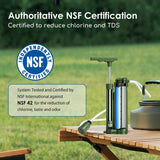
NSF Certified for Your Health

Independently tested to meet NSF/ANSI 42 & 372 standards, the highest level of trust in water filtration.

Lead-Free Guarantee (NSF/ANSI 372)
Certified lead-free materials to keep your water worry-free.

See Details

NSF Certified for Your Health

Independently tested to meet NSF/ANSI 42 & 372 standards, the highest level of trust in water filtration.

Lead-Free Guarantee (NSF/ANSI 372)
Certified lead-free materials to keep your water worry-free.

See Details

You Also Like

  • 5 stars: 1 (100%)
  • 4 stars: 0 (0%)
  • 3 stars: 0 (0%)
  • 2 stars: 0 (0%)
  • 1 star: 0 (0%)
R
R.A. (United States)

Purewell® - Outdoor Pump Water Filter 0.0001μm Removes Virus, Bacteria, Protozoa, Chlorine, TDS, Salt from Sea Water

Add Order Note
Coupon Code