

Ceramic Water Filters: How They Work & What They Remove
Ceramic Water Filters: How They Work & What They Remove
A ceramic water filter is a porous ceramic element that strains particles and sediment out of water as it passes through. It is excellent at what it does mechanically — but it is not a universal purifier. Chlorine, PFAS and dissolved metals behave very differently from particles, and whether a ceramic unit addresses them depends entirely on what other media sit inside the element and what that element has actually been tested for. This guide separates what ceramic does well from what requires a different technology.
What Is a Ceramic Water Filter?
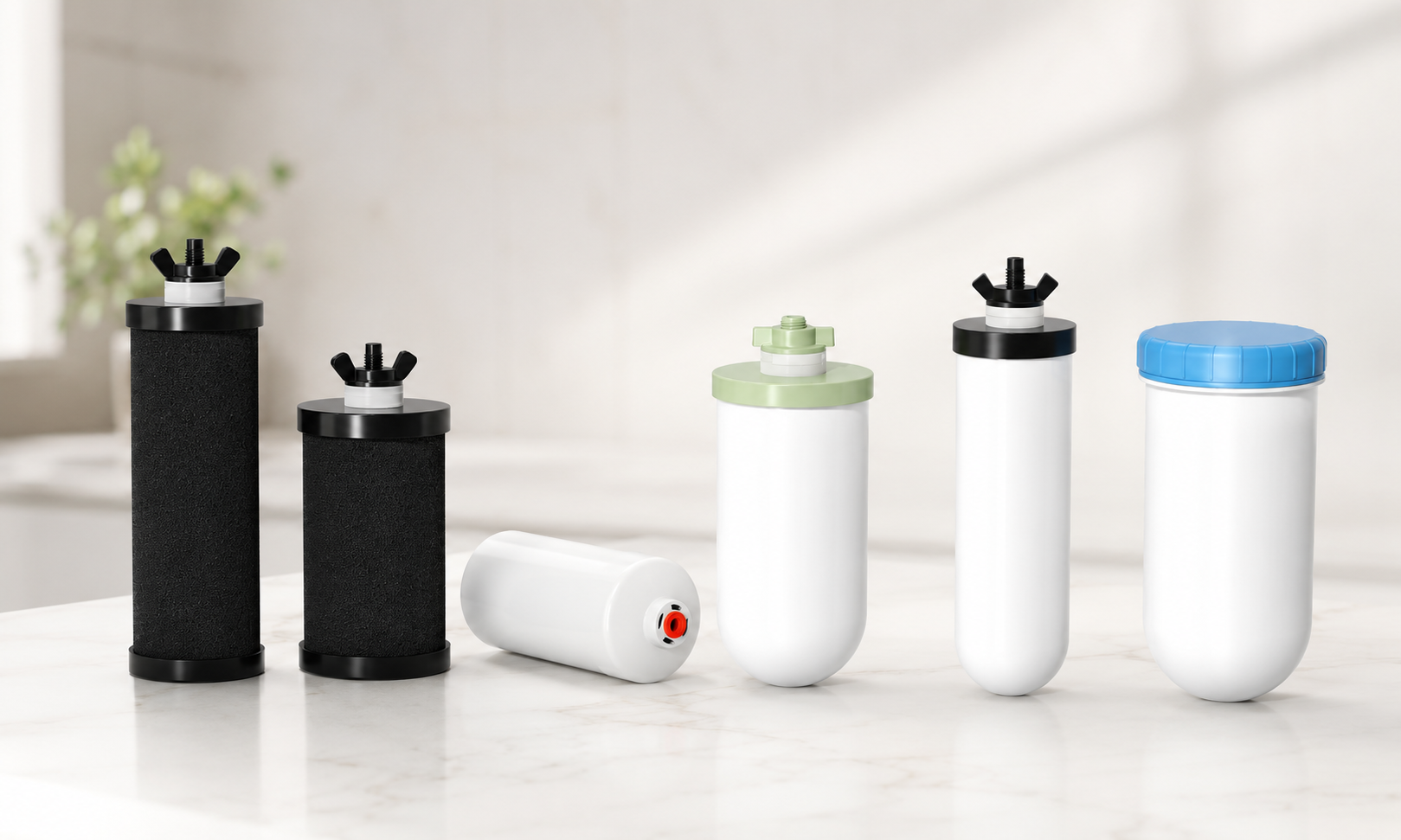
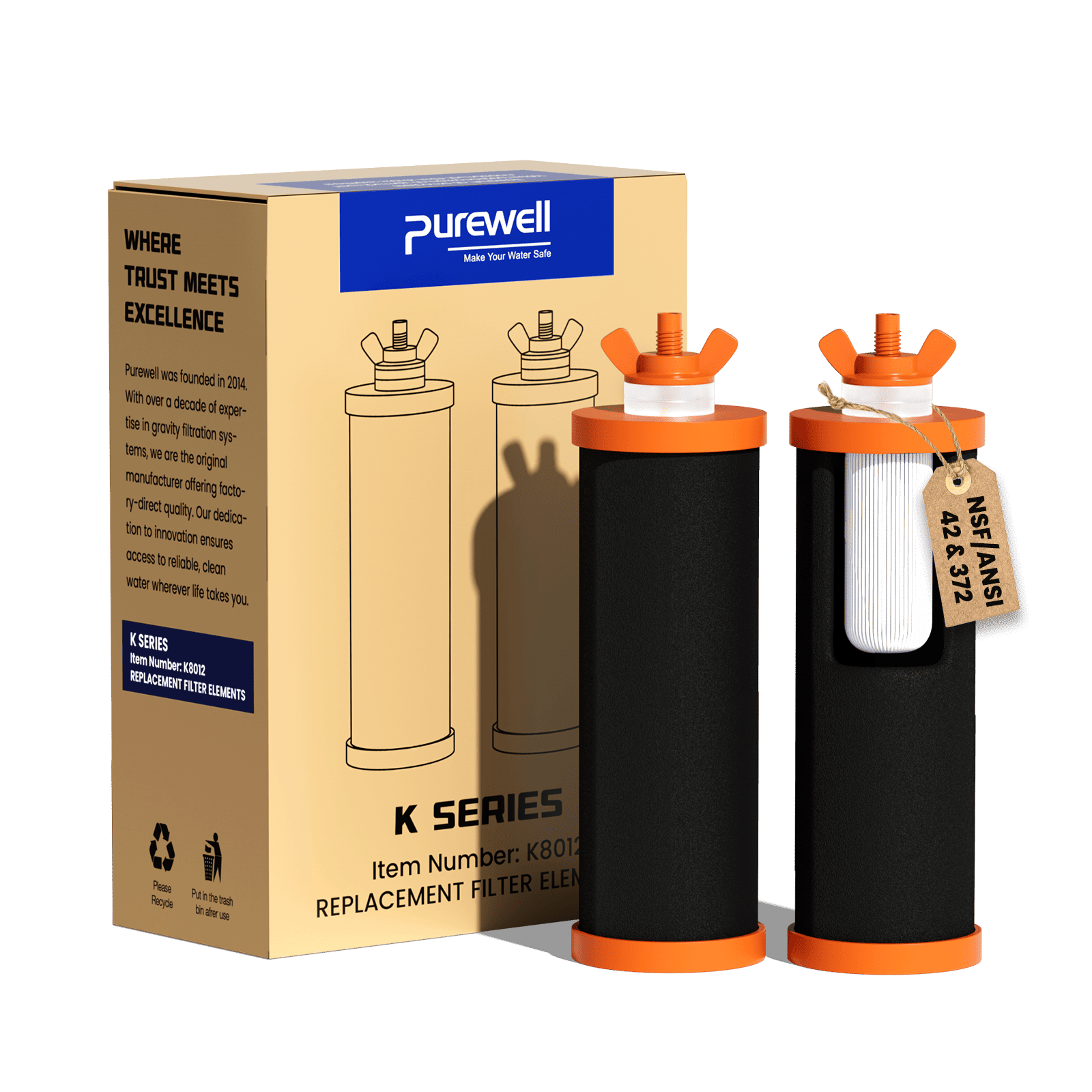
A ceramic water filter uses a fired ceramic element — typically made from diatomaceous earth or a similar porous material — as the primary filtration barrier. You will most often meet them as a candle or cartridge inside a gravity-fed countertop system, where water moves slowly downward through the ceramic wall under its own weight.
Ceramic elements are valued because they are robust, long-lived, and can often be cleaned on the surface to restore flow. They are a mechanical barrier first and foremost.
How Does Ceramic Water Filtration Work?
Ceramic filtration is mechanical straining. The ceramic is manufactured with a network of microscopic pores. Water passes through those pores while anything physically larger than the pore structure is held back on the surface or within the tortuous path of the element.
This is why you will see pore sizes quoted in microns. It is important to be precise about what that number does and does not tell you:
- A micron rating describes physical size, not chemistry. It tells you the scale of particle the element can strain.
- It does not automatically imply a reduction claim for every contaminant smaller than that size. Dissolved chemicals, dissolved metals and many chemical compounds are far smaller than any practical pore and pass straight through unless another mechanism — such as adsorption onto activated carbon — is present.
- Performance claims should come from test data, not inferred from pore size. Where a manufacturer makes a specific reduction claim, look for the standard and the report behind it.
What Can a Ceramic Water Filter Reduce?
The honest answer requires splitting the question into categories, because a ceramic element and the media inside it do different jobs.
Particles and sediment
This is ceramic's home ground. Rust, silt, sand and general turbidity are physically larger than the pore structure and are strained out effectively. If your water looks cloudy or carries visible grit, ceramic handles it well.
Microorganism-related performance
Ceramic's fine pore structure can act as a substantial physical barrier. However, any specific microbial reduction claim depends on the element's tested performance, and different elements differ. Do not assume a log-reduction figure from the micron rating alone — check whether the manufacturer publishes testing against a recognised standard for that element.
Chemical contaminants
A plain ceramic shell does not meaningfully address dissolved chemicals. Where a ceramic cartridge also carries a core of activated carbon or other media, that inner media — not the ceramic — is doing the adsorptive work. When you read a product description, separate the two: the ceramic strains, the carbon adsorbs.
PFAS
Ceramic is not the mechanism for PFAS ("forever chemicals"). PFAS are dissolved compounds at molecular scale, far below any ceramic pore size. If PFAS reduction is your goal, the relevant technologies are activated carbon and reverse osmosis, and you should look for element-specific test documentation rather than a ceramic pore claim.
Chlorine
Chlorine and chloramine are addressed by activated carbon, not by ceramic. A ceramic element with a carbon core can reduce chlorine; a bare ceramic candle will not. This is a common source of confusion in product listings.
Heavy metals
Reduction of dissolved metals requires specific media and test evidence — for example specialist adsorption media or a membrane process. A micron rating on its own is not evidence of heavy-metal reduction. Ask which standard the claim was tested against.
Ceramic vs Activated Carbon Water Filters
They are complementary rather than competing, and many gravity systems combine both in one cartridge.
| Factor | Ceramic element | Activated carbon |
|---|---|---|
| Mechanism | Mechanical straining by pore size | Adsorption onto a porous carbon surface |
| Strong against | Sediment, rust, turbidity, particles | Chlorine, taste and odour compounds |
| Not the mechanism for | Dissolved chemicals such as PFAS or chlorine | Dissolved inorganic solids and hardness |
| Maintenance | Surface can be cleaned to restore flow | Cannot be regenerated — replace on schedule |
| Best used | As the first barrier in turbid or sediment-heavy water | As the polishing stage for taste and chemical reduction |
Ceramic vs Reverse Osmosis
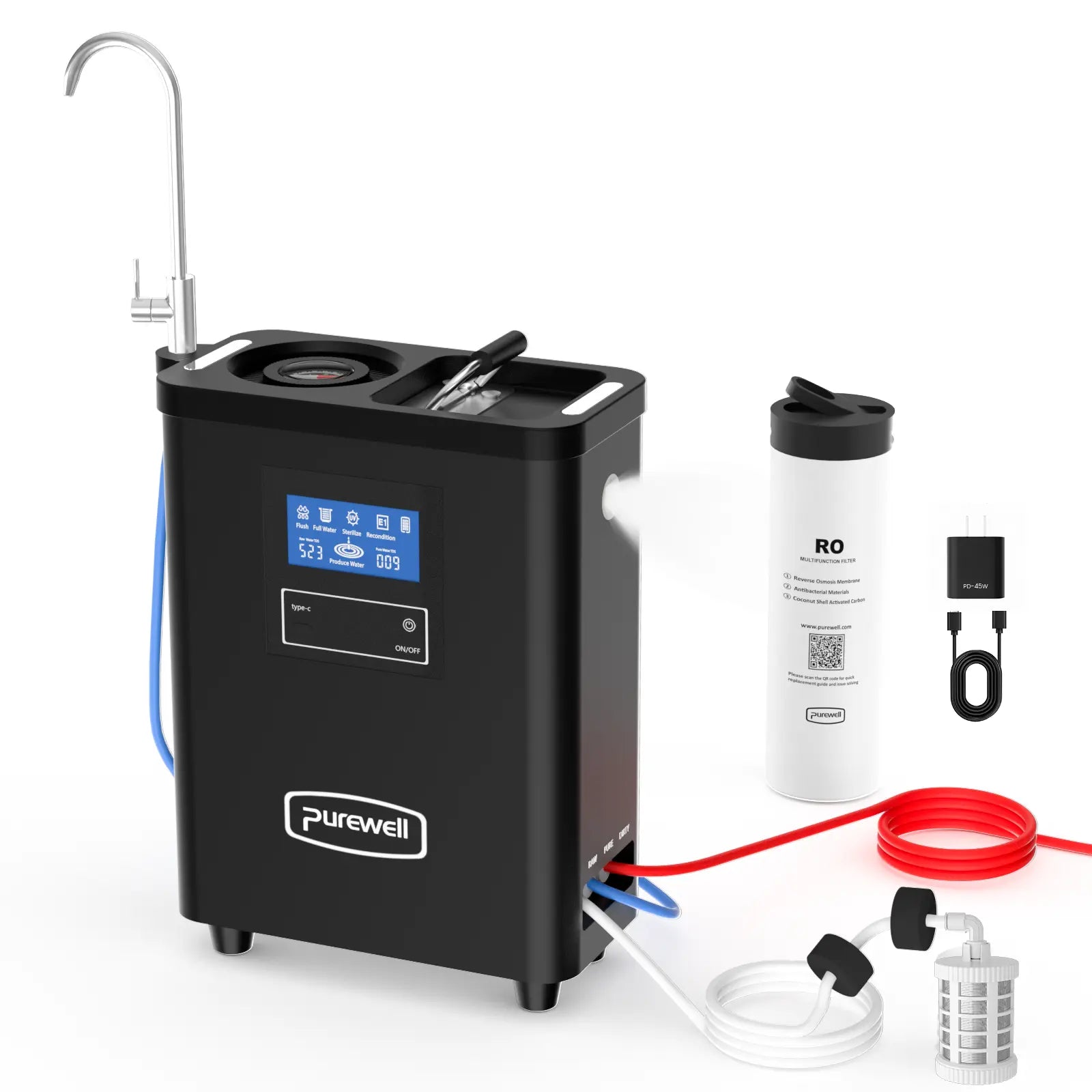
These solve different problems at very different scales. Ceramic is a simple, no-power mechanical barrier that leaves the mineral content of your water essentially unchanged and produces no wastewater. Reverse osmosis pushes water through a semi-permeable membrane, reducing dissolved solids very substantially, but needs pressure, produces some wastewater and costs more to install and run.
A useful way to think about it: ceramic addresses what is suspended in the water; RO addresses what is dissolved in it.
Can Ceramic Filters Be Cleaned?
Yes — the surface of a ceramic element can usually be cleaned to restore flow. As particles accumulate on the outside, flow slows; gently brushing the surface under running water with a soft brush or cloth typically brings the flow rate back.
But cleaning is not the same as renewal. Two important limits:
- Surface cleaning restores flow, not capacity. It removes the outer layer of trapped sediment; it does not restore any adsorptive media inside the cartridge.
- Cleaning is not unlimited life. Each cleaning removes a little of the ceramic surface, and the element still has a rated service life. Eventually it must be replaced.
Never use soap or detergents on a filter element, and avoid aggressive scrubbing that could damage the pore structure.
How Long Does a Ceramic Water Filter Last?
Lifespan depends on the element design, your water's sediment load and how much water you put through it. Manufacturers usually state a rated life in litres or months — follow whichever comes first.
A practical approach for UK households:
- Track flow rate — a noticeable slowdown is the clearest signal the element is loading up.
- Clean the surface when flow drops, then reassess.
- Replace on the rated schedule regardless, because cleaning cannot restore the media inside a composite cartridge.
Keep a spare element from our replacement filters range so you are never running a saturated filter.
How to Choose a Ceramic Water Filter in the UK
- Start with your problem. Visible sediment or turbidity points to ceramic's strengths; chlorine taste points to carbon; dissolved solids point to RO.
- Ask what is inside the cartridge. A ceramic shell with a carbon core covers far more than a bare ceramic candle.
- Demand test documentation. Any specific reduction claim should name the standard it was tested against — and apply to that exact element, not the whole range.
- Check replacement availability and running cost. Compare cost per litre, not shelf price, and confirm UK stock.
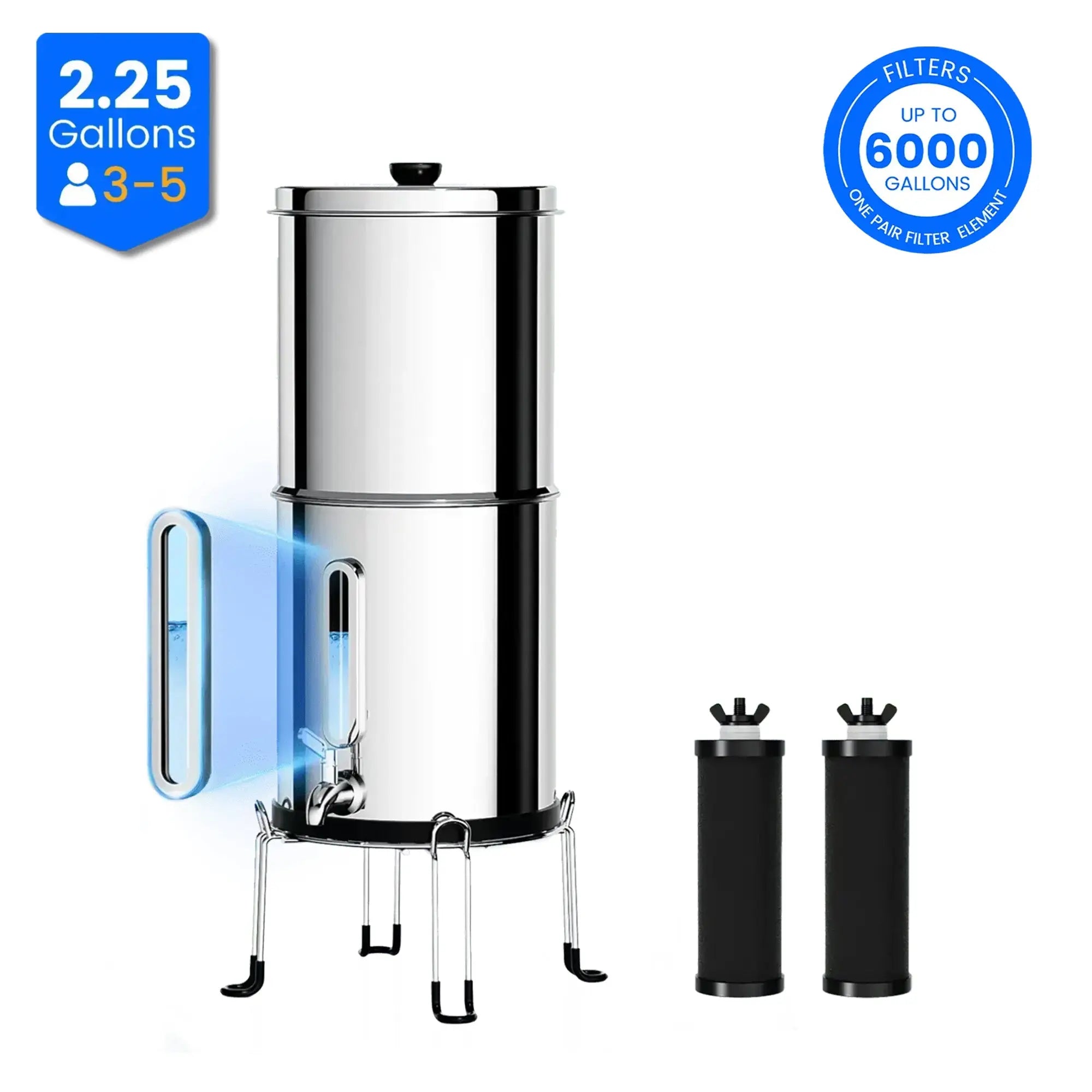
- Match capacity to your household. Larger families need larger chambers or twin elements to keep up with daily demand.
- Consider the housing. 304 stainless steel resists cracking and odours better than thin plastic.
Using Ceramic Filters in Gravity Water Filter Systems
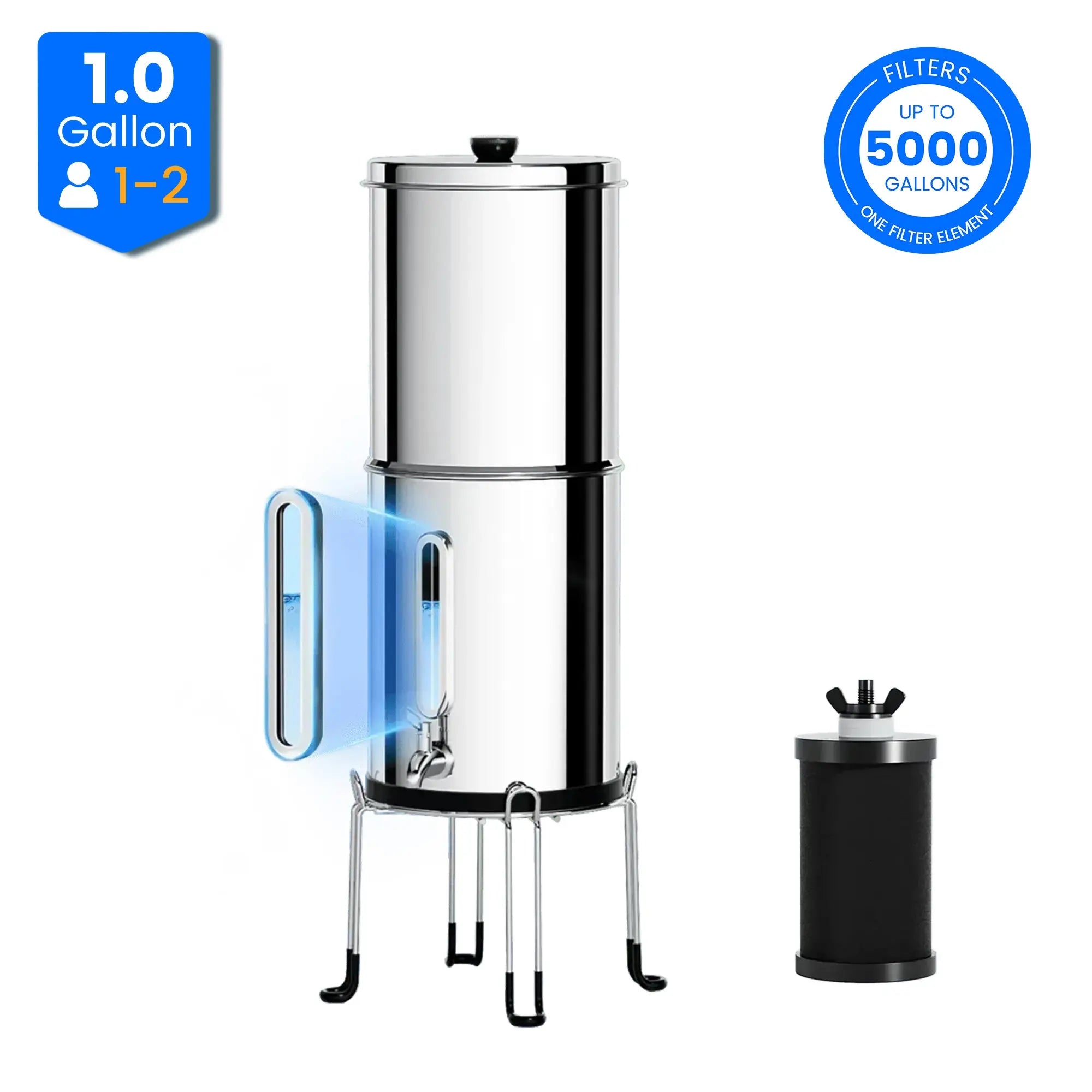
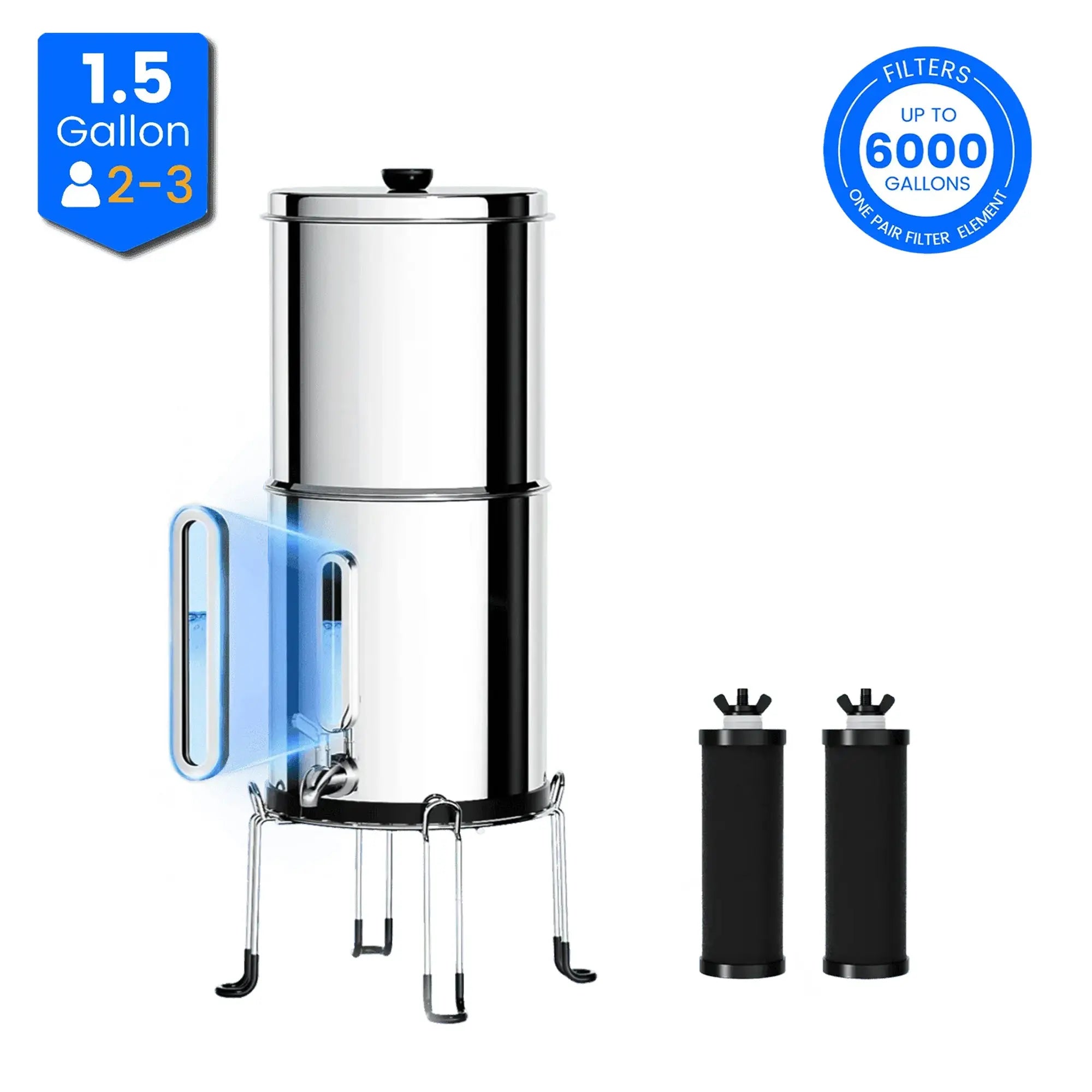
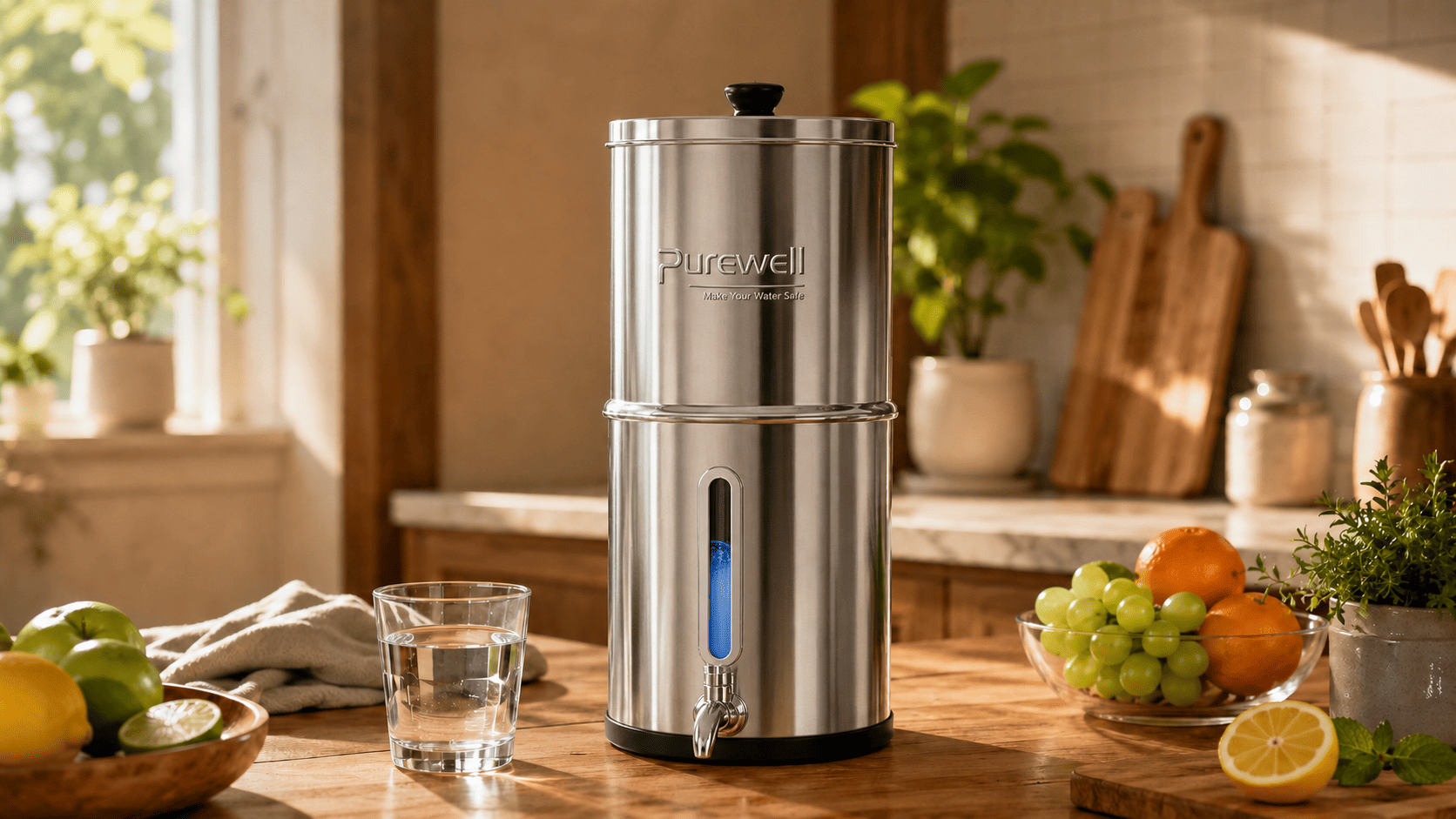
Ceramic elements are most commonly seen inside gravity-fed countertop systems, where slow flow gives water extended contact with the media. In a gravity setup, ceramic typically acts as the first mechanical barrier, with carbon or other media polishing the water afterwards.
If you are weighing up which gravity system suits your household, our guide to the best gravity water filter for UK homes covers capacity, cartridge choice and running cost in detail. You can also view our K Series ceramic filters and the full replacement filters collection.
Frequently Asked Questions
Are ceramic water filters safe?
Yes, ceramic is a well-established filtration material and is widely used in gravity systems. As with any filter, safety in the sense of performance depends on using the element within its rated life and replacing it on schedule.
Do ceramic filters remove bacteria?
Ceramic's fine pore structure is a strong physical barrier, but any specific microbial reduction claim depends on the element and its testing. Do not infer a reduction figure from the micron rating — check the manufacturer's test documentation for that exact element.
Do ceramic filters remove chlorine?
Not on their own. Chlorine is addressed by activated carbon. A ceramic cartridge with a carbon core can reduce chlorine; a plain ceramic candle will not.
Do ceramic filters remove PFAS?
Ceramic is not the mechanism for PFAS. These are dissolved compounds far smaller than any ceramic pore. Activated carbon and reverse osmosis are the technologies to look at, with element-specific test documentation.
Can you clean a ceramic water filter?
Yes — gently brush the outer surface under running water to restore flow. Never use soap or detergent, and remember that cleaning restores flow but does not renew the element or any media inside it.
How often should ceramic filters be replaced?
Follow the rated life stated by the manufacturer, in litres or months, whichever comes first. A persistent drop in flow that cleaning does not fix is a sign the element is due.
Ceramic vs carbon — which is better?
Neither is universally better; they do different jobs. Ceramic strains particles and sediment, while carbon adsorbs chlorine and taste-and-odour compounds. For most households the best answer is a staged cartridge that uses both.