


Thames Water PFOS Trial: What London Households Should Know
Thames Water PFOS Trial: What London Households Should Know
Headline coverage regarding Thames Water, regulatory investigations, and “forever chemicals” has raised urgent questions for London residents. Recent investigative reports—including exclusive disclosures by The Guardian on Thames Water’s recycling pilots—have put PFOS contamination in local water catchments back under the spotlight. Here is a clear, factual breakdown of what the situation means for your home’s drinking water.
What Are PFOS and PFAS Chemicals?
PFAS (per- and polyfluoroalkyl substances) represent a family of over 10,000 synthetic compounds used since the mid-20th century in non-stick cookware, stain repellents, and firefighting foams. PFOS (perfluorooctane sulfonate) is one of the most widely monitored compounds within this family. Because the carbon-fluorine bond does not degrade naturally, they bioaccumulate in water bodies, soil, and human tissue—earning them the nickname “forever chemicals”.

The Guardian Disclosures: Thames Water Pilot Exceeds Limits
In mid-2026, technical documents revealed during Thames Water’s pilot testing for the Teddington Direct River Abstraction (TDRA) scheme showed that PFOS levels reached up to 8.7 nanograms per litre—13 times higher than the UK environmental limit for surface waters (0.65 ng/L).
“Technical notes from the pilot revealed a rapid breakthrough of PFOS in less than one month of operation, acknowledging that maintaining compliance is ‘operationally challenging’ and requires frequent filter replacement at significant expense.”
— The Guardian Report on Thames Water Pilots
While Thames Water maintains that pilot data does not reflect final treated tap water quality, the findings highlight a core reality: standard municipal infrastructure faces severe operational constraints when handling persistent organic pollutants.
Is London Tap Water Safe to Drink?
Treated tap water supplied to London homes currently meets baseline statutory limits set by the Drinking Water Inspectorate (DWI). However, public health concerns focus on long-term, low-dose exposure. Because PFAS resist standard chlorine disinfection and rapid sand filtration, relying solely on utility plants leaves households exposed to trace bioaccumulation.
Creating a Reliable Point-of-Use Barrier at Home
As Thames Water’s internal notes confirmed, carbon media saturates quickly when exposed to synthetic chemicals. Installing a dedicated home filter provides an essential final barrier before consumption.
- High-Density Activated Carbon: Adsorbs hydrophobic organic molecules like PFOS from tap water.
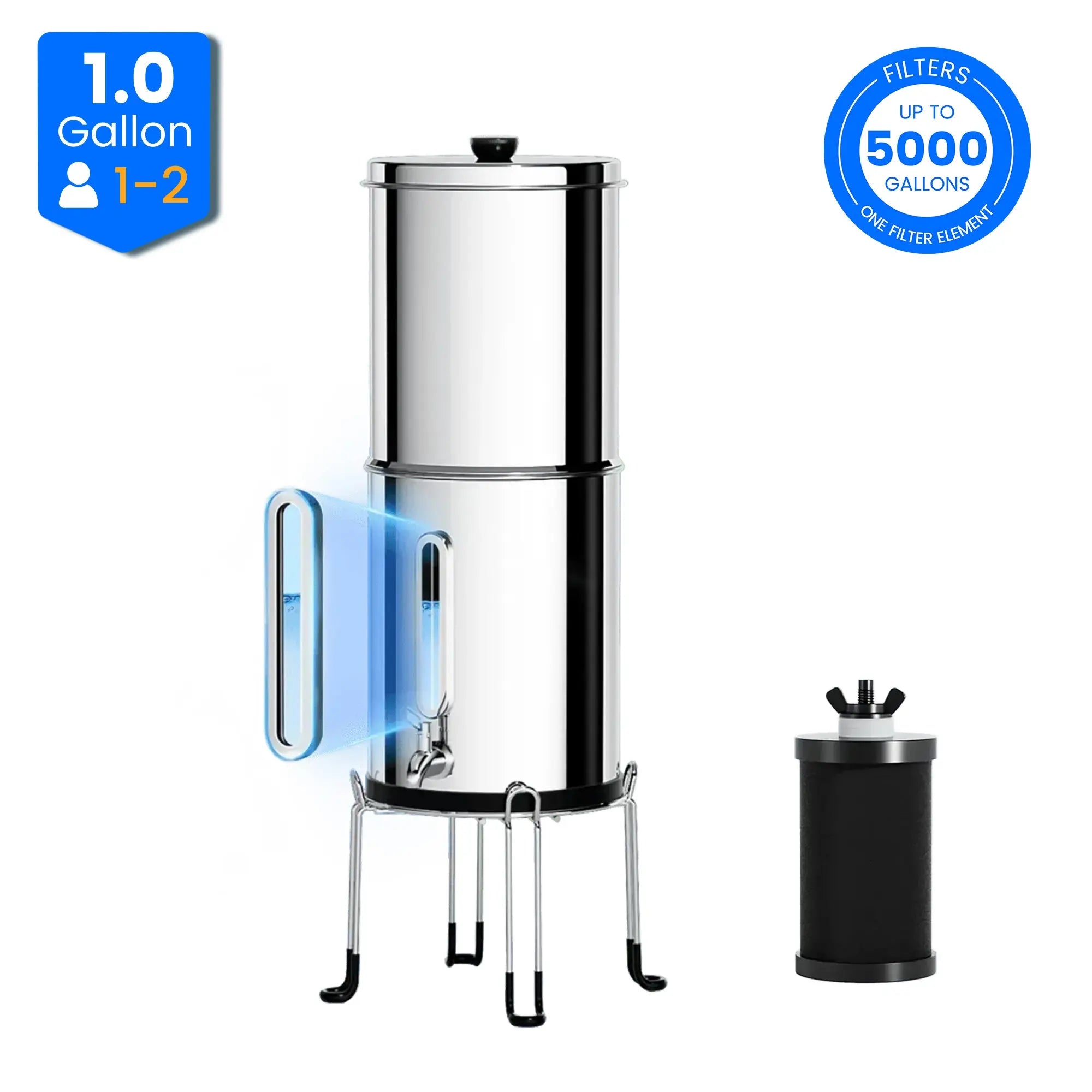
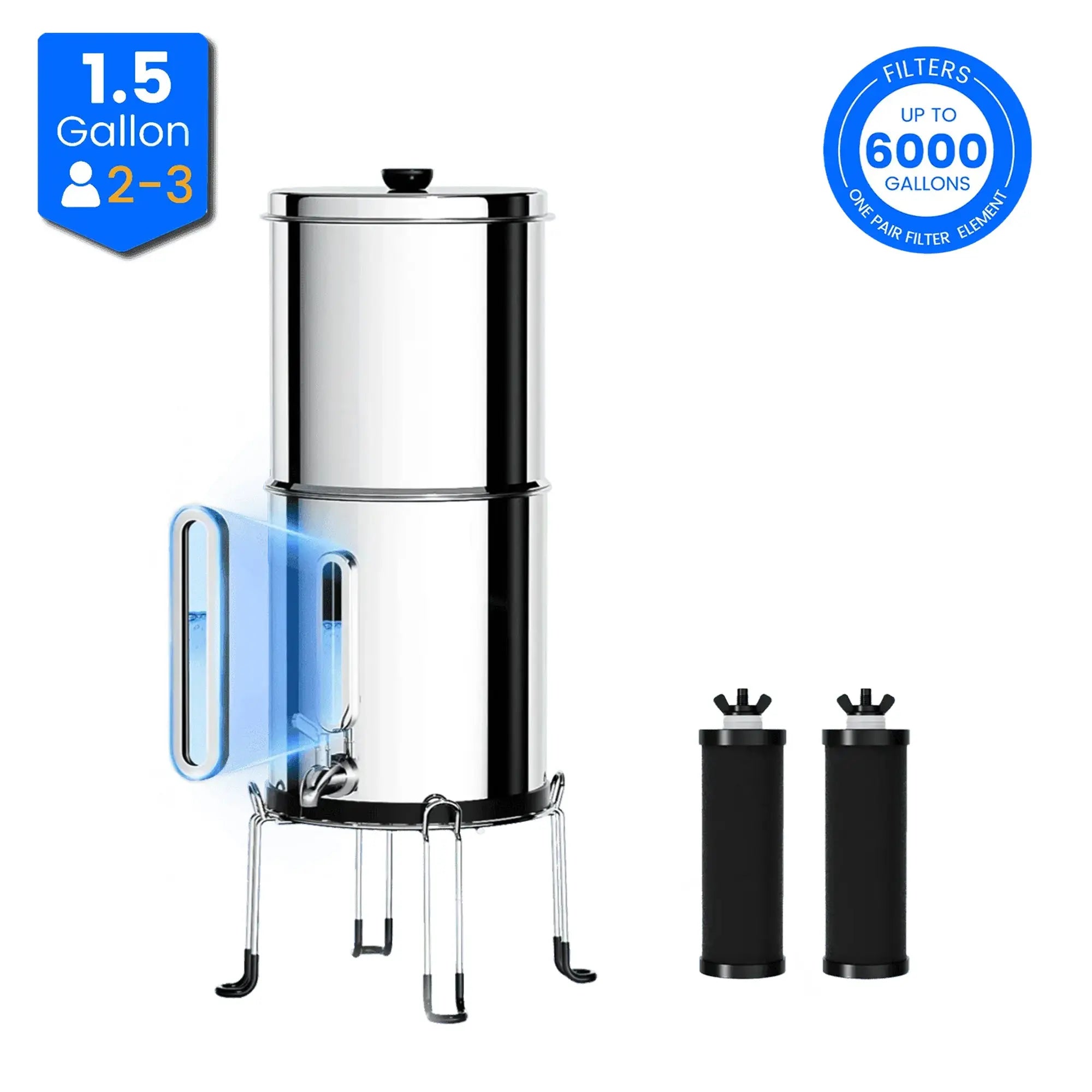
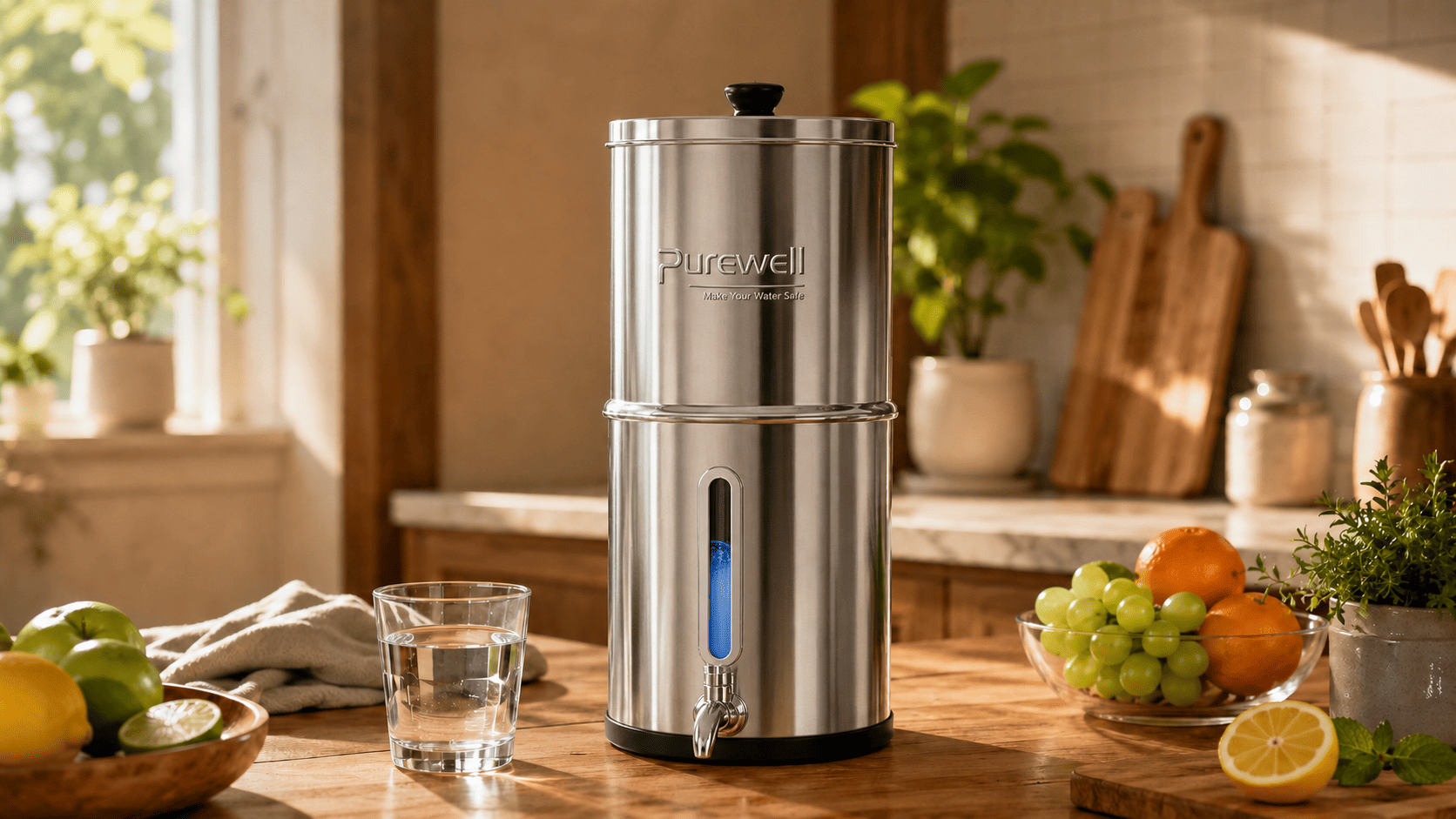
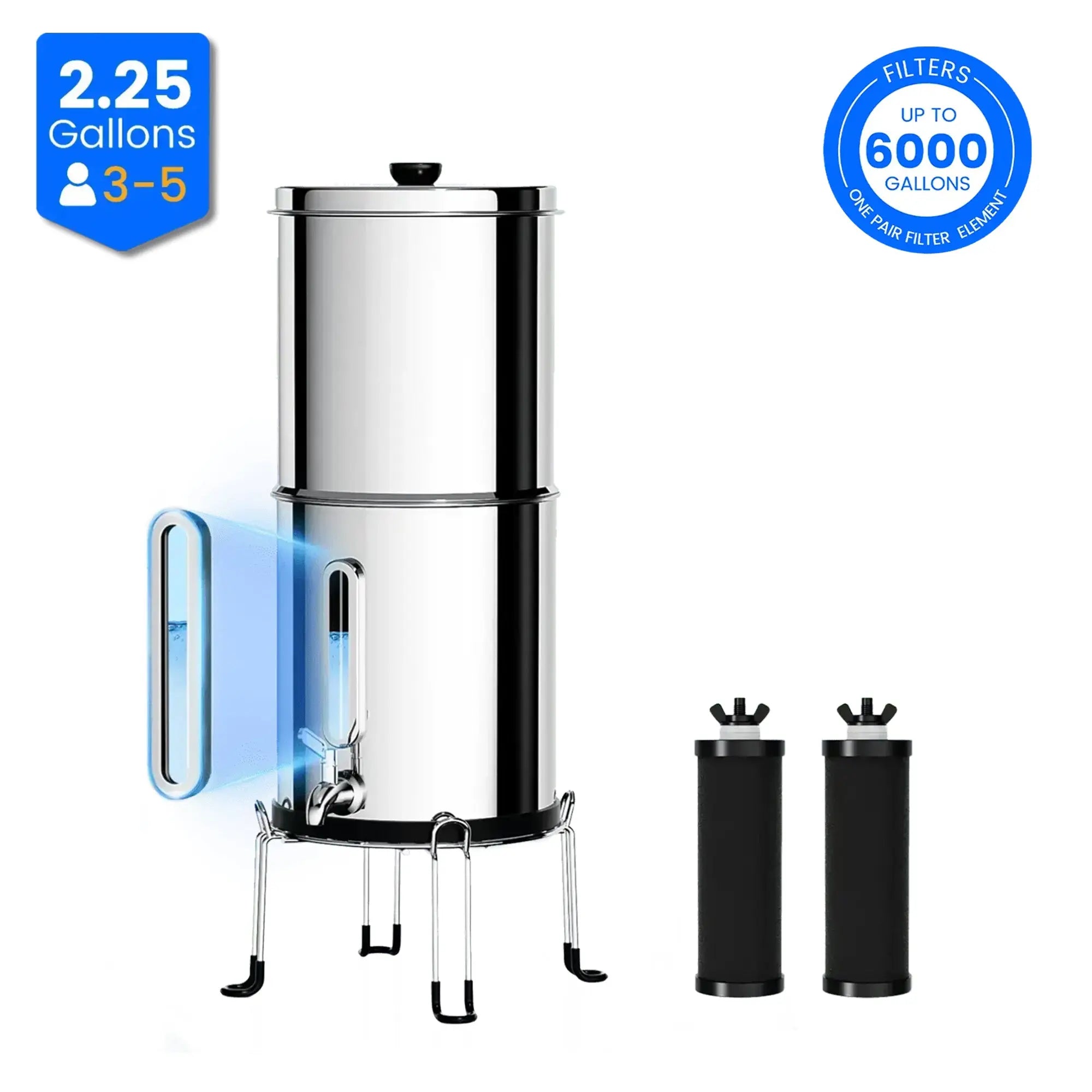
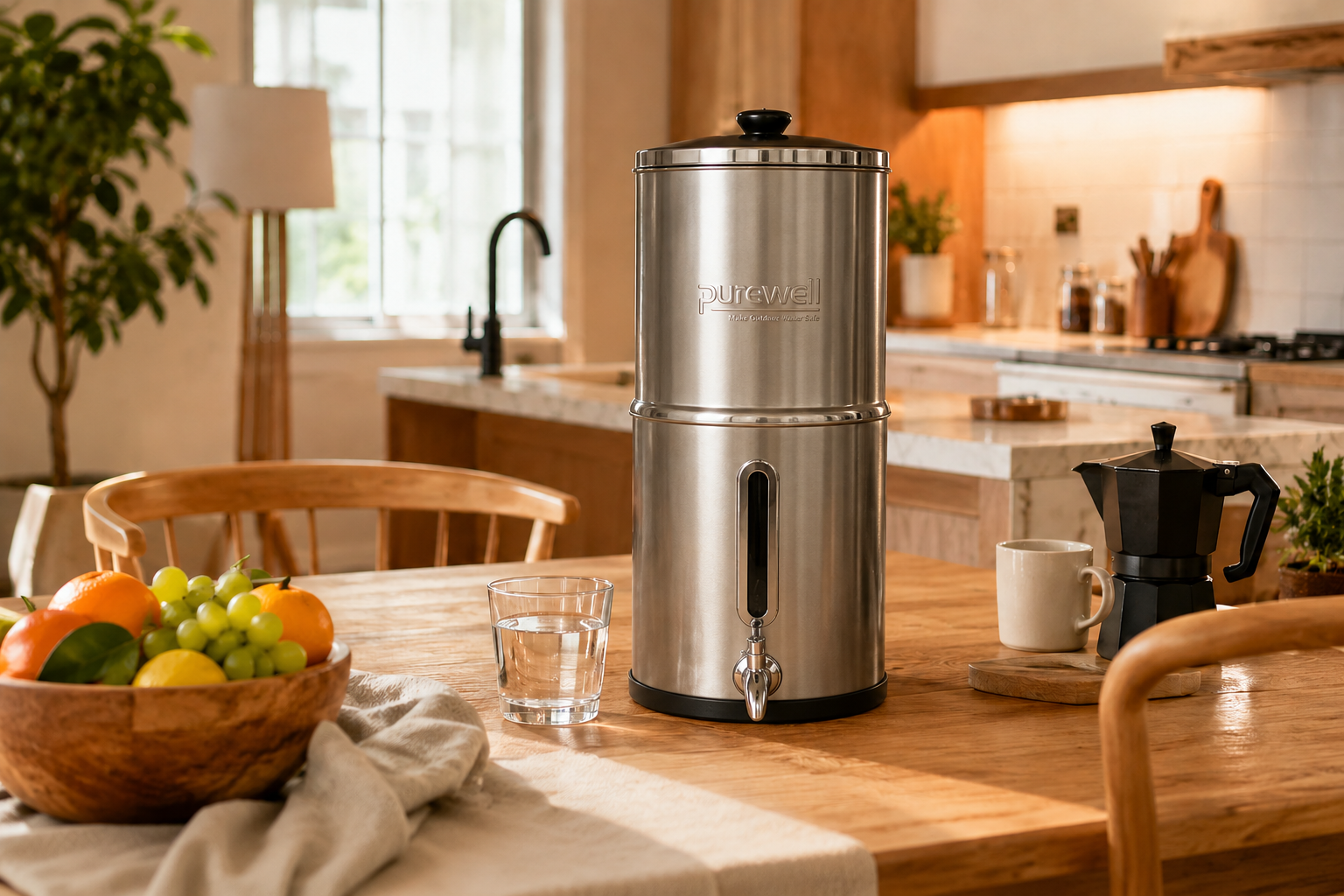
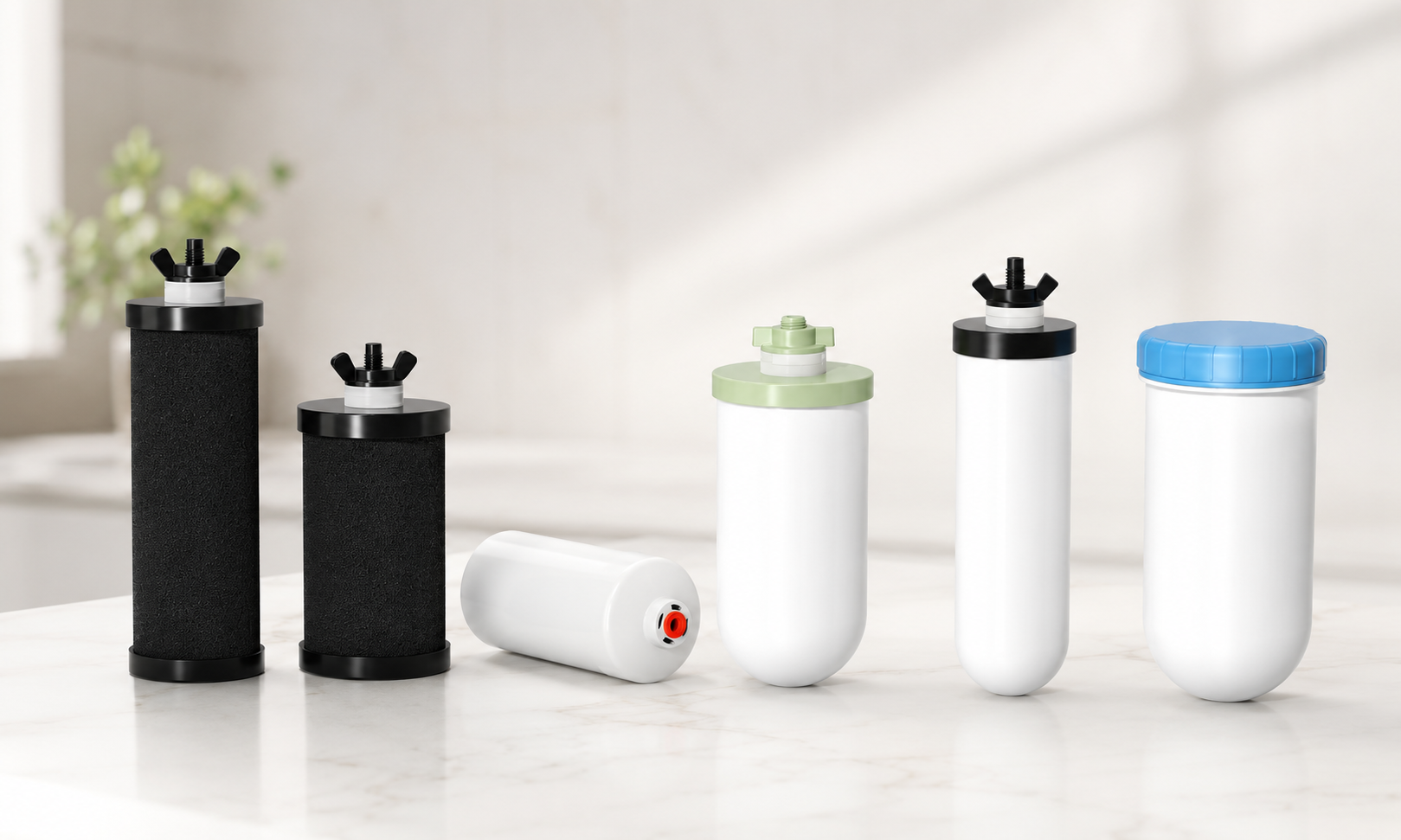
- Gravity-Fed Filtration: A stainless steel gravity water filter system combines dense carbon block elements with Ultrafiltration (UF) membranes. It operates without plumbing or electricity, ensuring prolonged contact time between water and filter media.
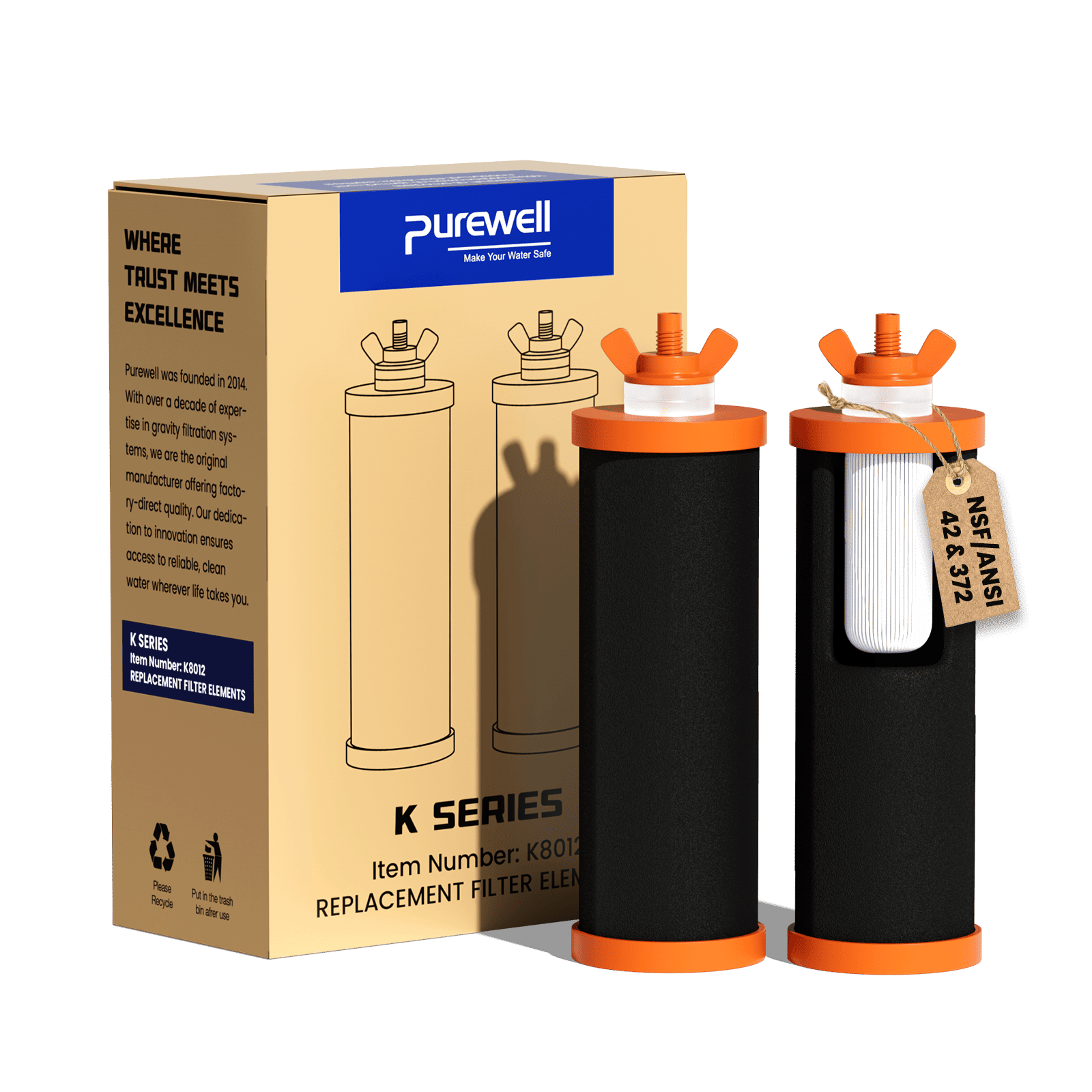
- Timely Cartridge Care: To avoid media saturation, regularly renew your filter elements with genuine replacement filters.

For a detailed breakdown of filtration technologies, read our comparison on whether a water filter removes PFAS, or review local regional data in our guide to PFAS in London tap water.
Frequently Asked Questions
Is PFOS illegal in UK drinking water?
PFOS manufacturing is restricted, and concentrations in public drinking water are strictly regulated by the DWI. Water suppliers must take action whenever levels approach regulatory trigger thresholds (such as 10 ng/L Tier 2 limits).
Does boiling water remove PFOS?
No. Boiling water causes pure water to evaporate as steam while PFAS molecules remain behind, effectively concentrating the chemical in your kettle.
Can a countertop gravity filter handle London tap water?
Yes. Gravity systems with certified activated carbon and UF membranes effectively adsorb PFOS and heavy metals at the point of use without altering your kitchen plumbing.