Well Water Filter Systems After Flooding: What Private Well Owners Should Know
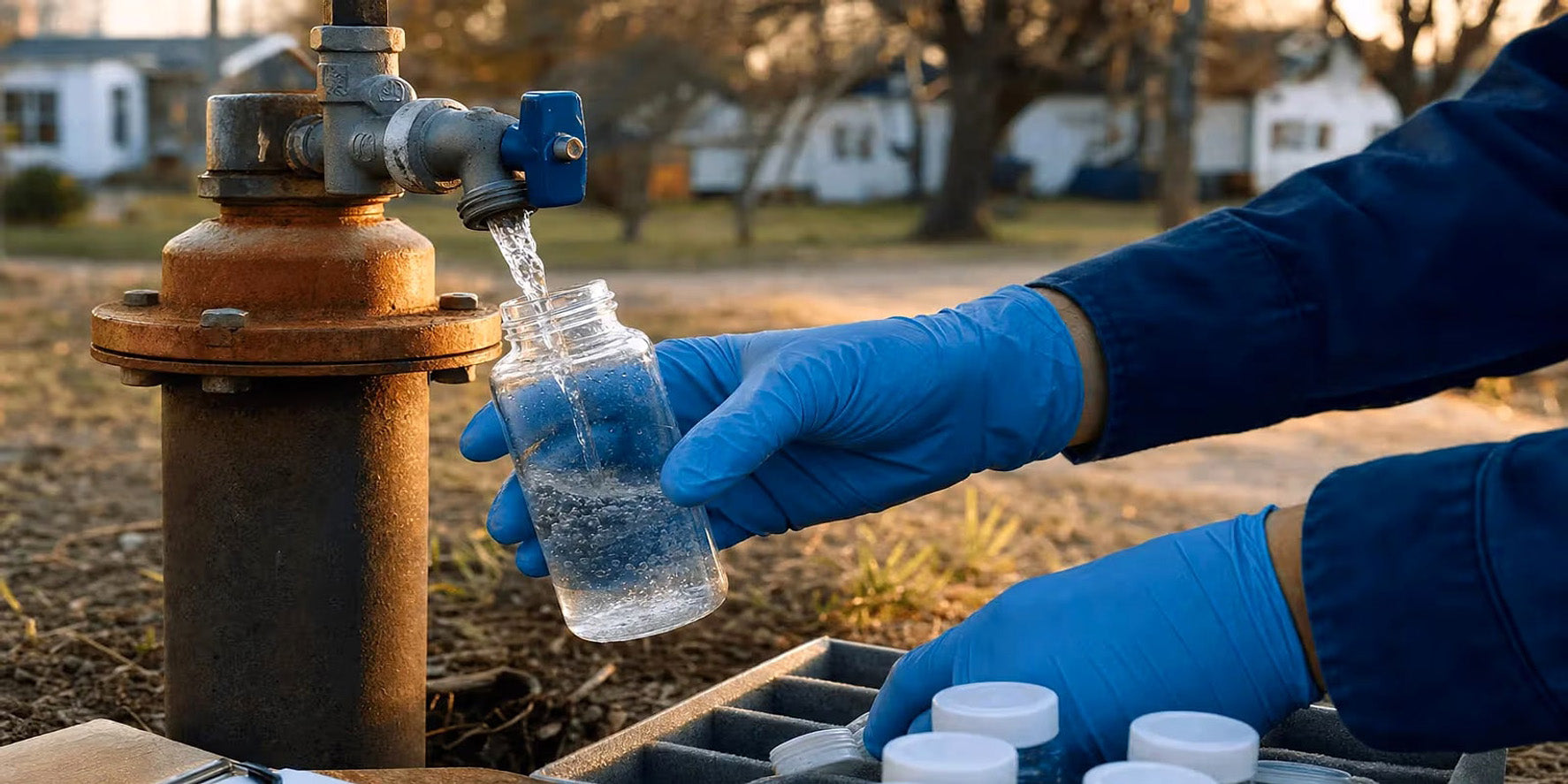
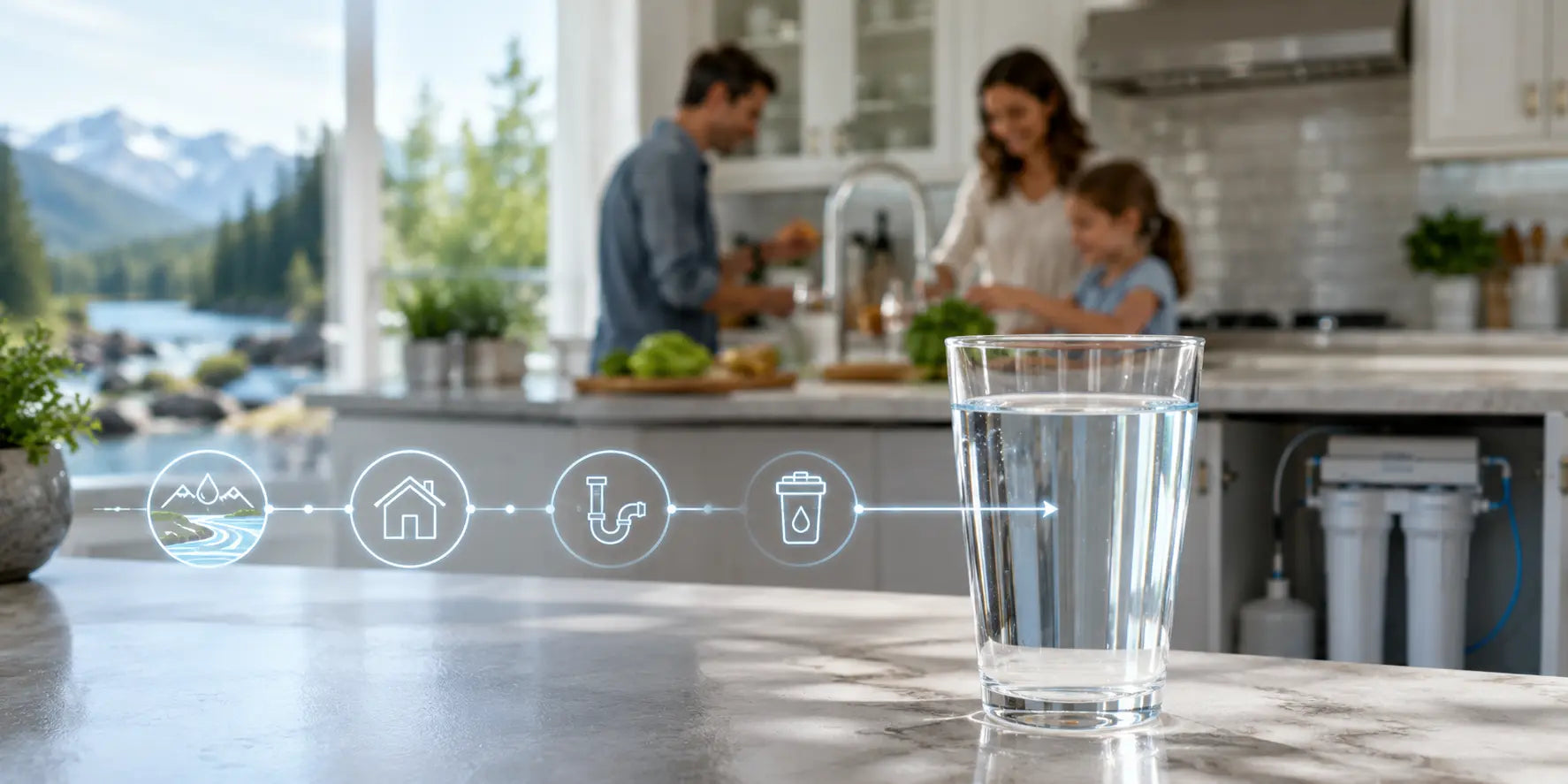
Private well water can be reliable, but it should not be treated as automatically safe. Unlike public water systems, private wells are usually not regulated, treated, or monitored by government agencies. The homeowner is responsible for testing, maintenance, and choosing the right water treatment approach.
In July 2026, flooding in parts of Texas brought renewed attention to private wells, runoff, boil water notices, and household water preparedness. Around the same time, Cyclospora, a microscopic parasite linked mainly to contaminated food and water, also became part of the broader public conversation around water and sanitation.
For well owners, the practical takeaway is simple: test first, understand the risk, and use filtration as part of a broader water safety plan.
Why Flooding Can Affect Well Water
Floodwater can carry soil, sewage, agricultural runoff, chemicals, animal waste, and debris. If floodwater enters or surrounds a private well, contaminants may reach the groundwater or the well system itself.
After flooding, well owners should not assume the water is safe because it looks clear. The CDC and EPA recommend avoiding water from a flooded well until it has been inspected, disinfected if needed, and tested.
Common post-flood concerns include:
- Total coliform bacteria
- E. coli
- Nitrates
- Sediment
- Fuel or chemical contamination
- Changes in taste, color, or smell
- Damage to the well cap, casing, pump, or electrical system
If water smells like fuel or chemicals, boiling or basic disinfection may not make it safe. Contact a local health department or certified water professional.
What Is Cyclospora?
Cyclospora cayetanensis is a microscopic parasite that can cause an intestinal illness called cyclosporiasis. According to the CDC, people can become infected by consuming food or water contaminated with the parasite.
In the U.S., Cyclospora outbreaks have often been associated with fresh produce. The FDA notes that contaminated water, poor sanitation, and environmental exposure can be part of the contamination pathway.
Cyclospora is relevant to well water discussions because it reminds homeowners that not all water concerns are about taste, smell, or visible particles. Some risks are microscopic and require testing, prevention, and appropriate treatment.
Can a Well Water Filter System Remove Parasites?
The answer depends on the specific filter and the specific parasite.
Different filters work in different ways. A filter’s ability to reduce parasites depends on factors such as pore size, filter media, certification, and third-party test results. The CDC explains that filters certified for cyst reduction or filters with an absolute pore size of 1 micron or smaller can remove certain parasites such as Giardia and Cryptosporidium.
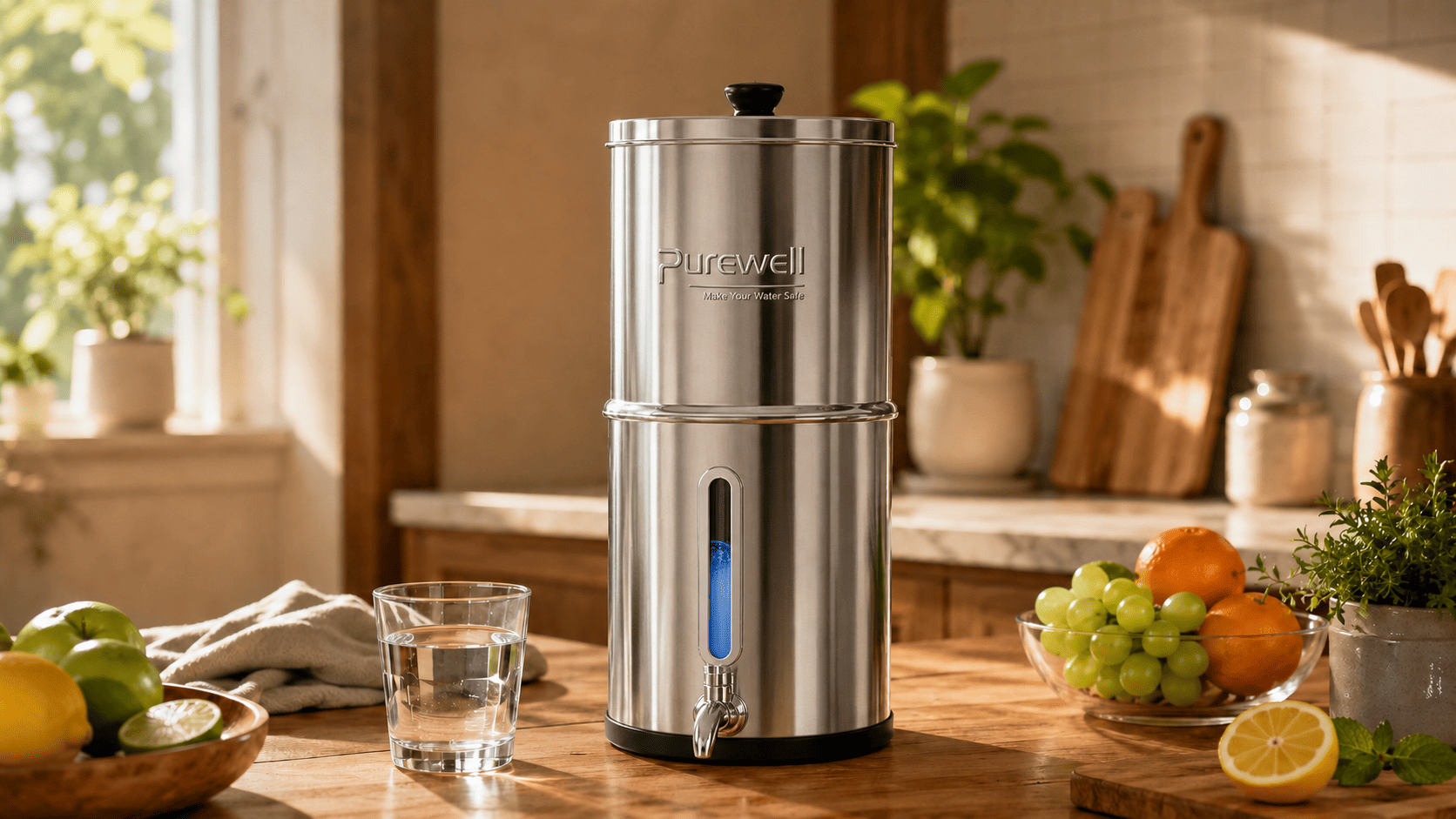
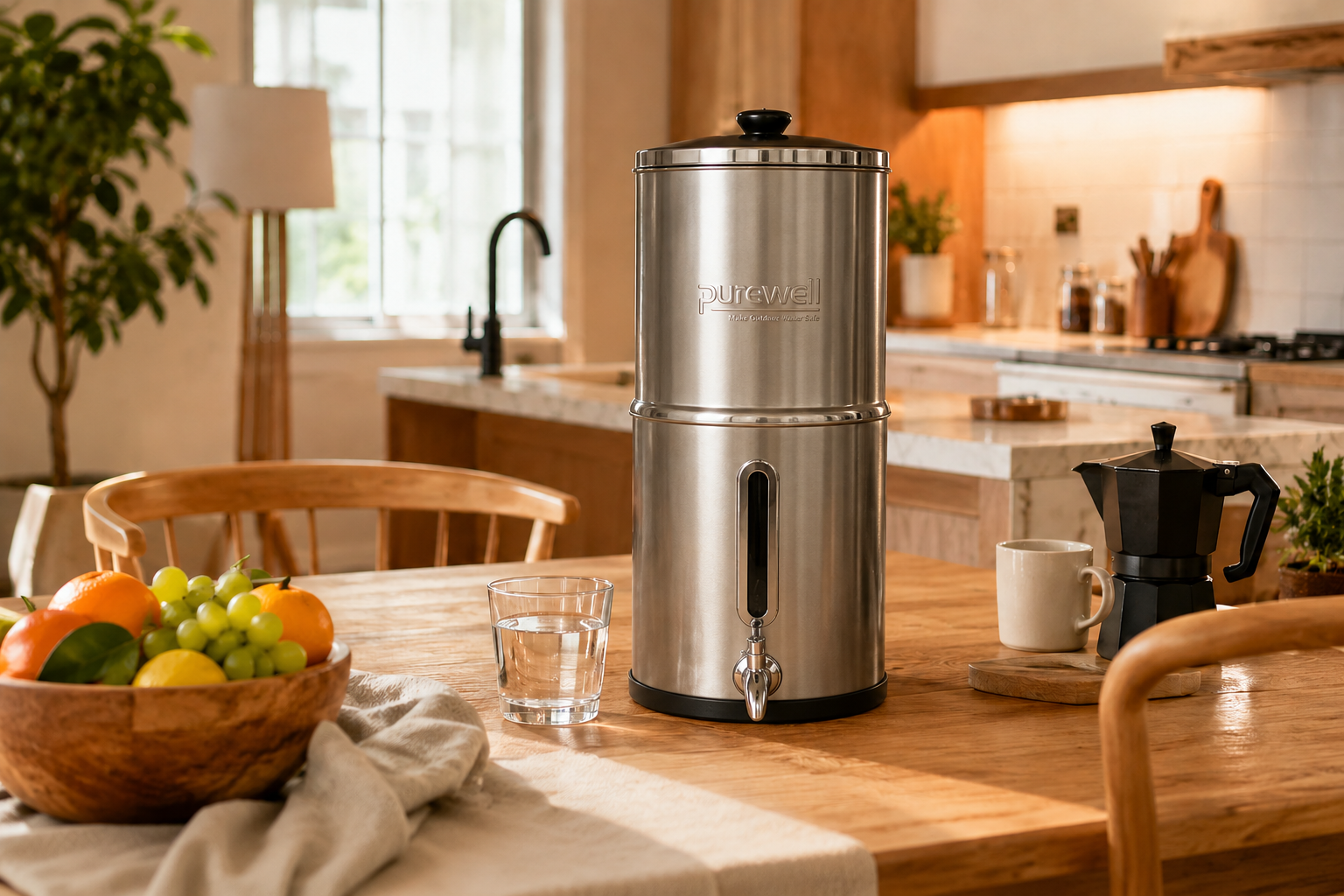
Purewell product information states that its gravity-fed filter system is designed to reduce bacteria, parasites, chlorine, sediment, rust, soil, heavy metals, and other impurities while improving taste and odor. However, well owners should always review the most current Purewell test reports and product specifications for the exact substances tested.
A responsible rule is: do not rely on general claims. Match the filter to the contaminant shown in your water test.
Test First: Do Not Guess
If you use a private well, testing is the first step.
The CDC recommends testing private well water at least once per year for:
- Total coliform bacteria
- Nitrates
- Total dissolved solids
- pH
You should also test after flooding, well repair, land disturbance, nearby waste disposal activity, or any noticeable change in taste, color, or odor.
Testing is especially important if the household includes infants, pregnant people, elderly adults, or people with weakened immune systems.
Whole-House Treatment vs. Point-of-Use Filtration
A whole-house well water system treats water before it reaches the taps. This may be appropriate when the issue affects showers, laundry, plumbing, appliances, or all household water.
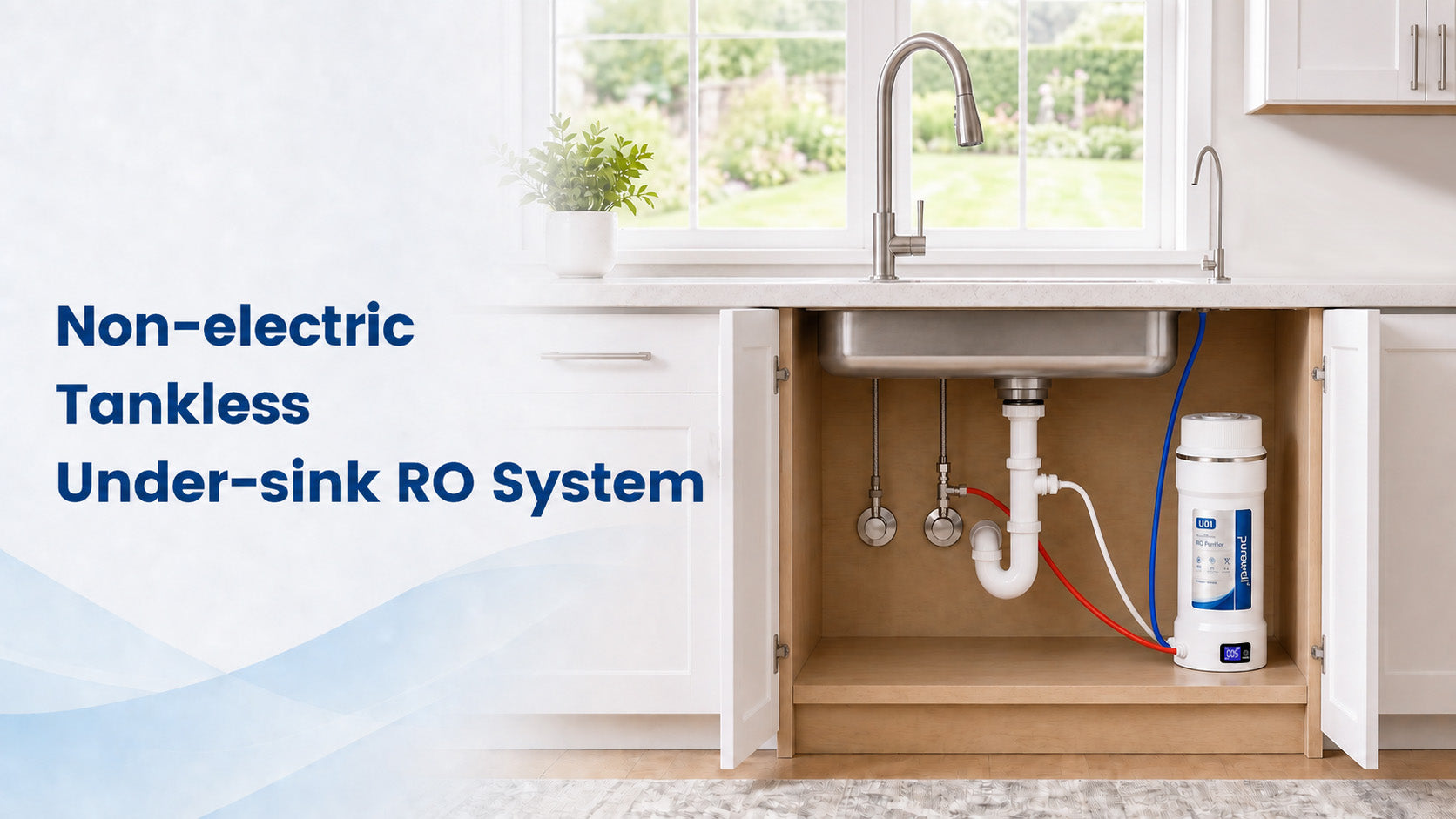
A point-of-use filter focuses on water used for drinking, cooking, coffee, tea, and ice.
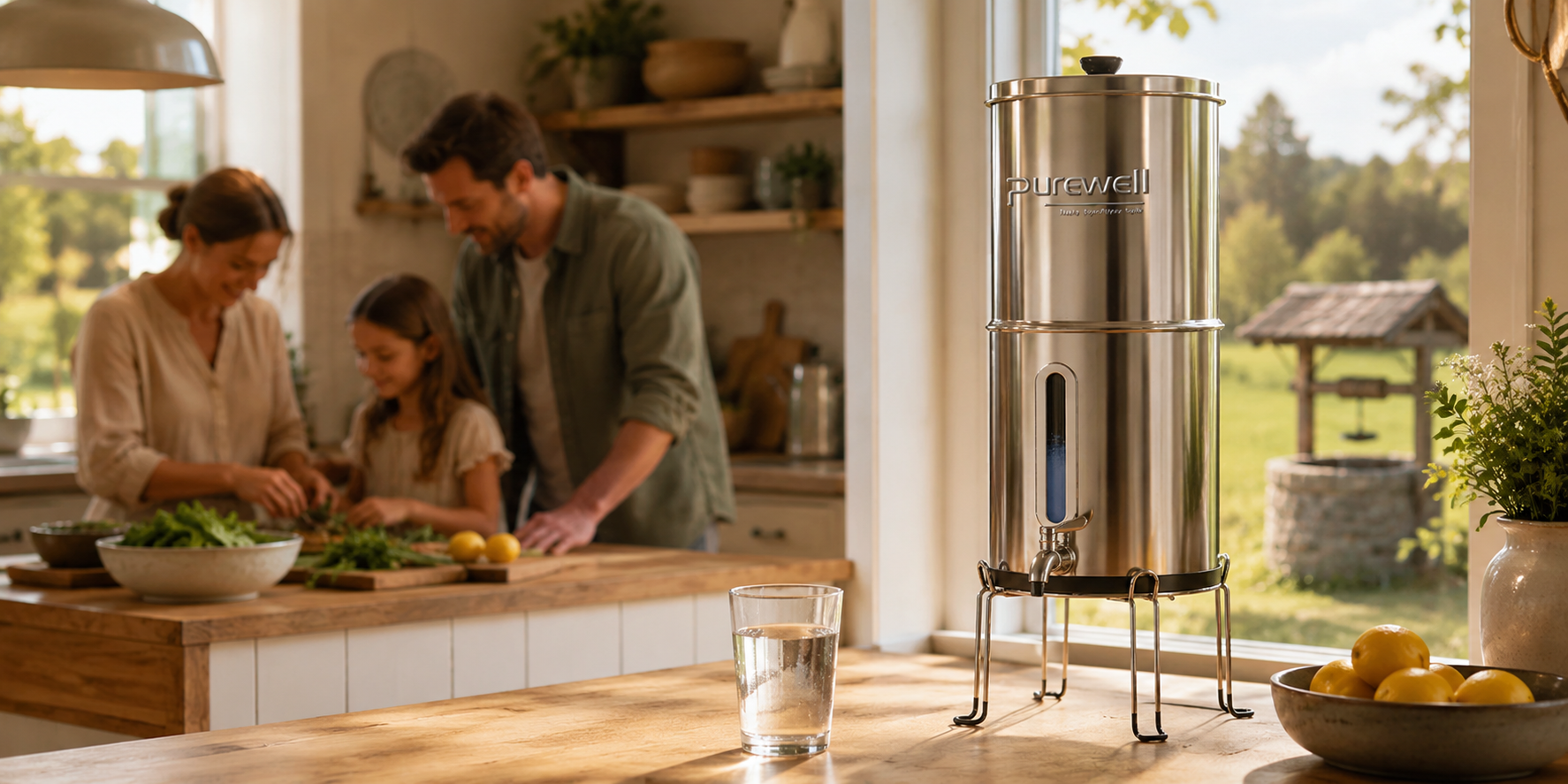
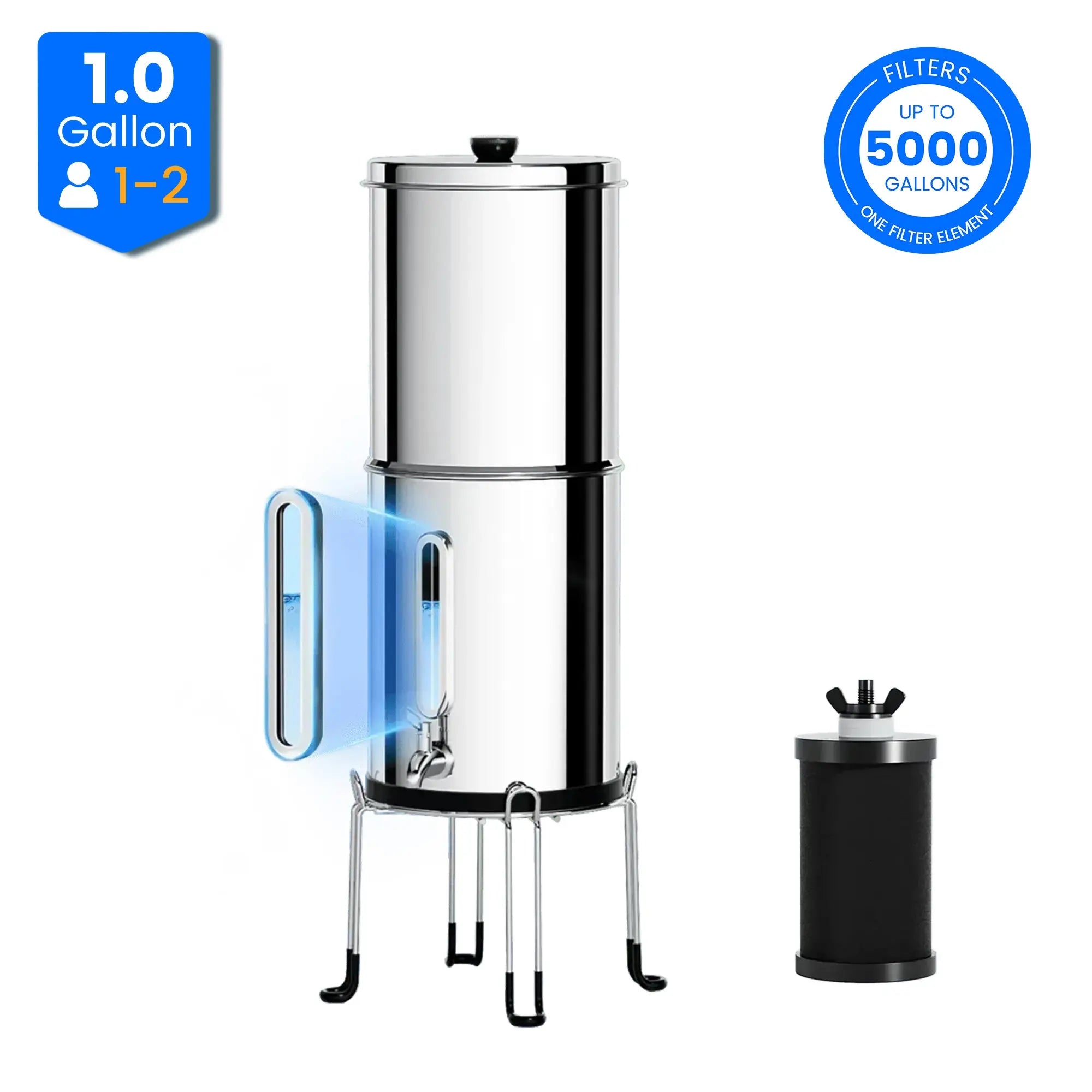
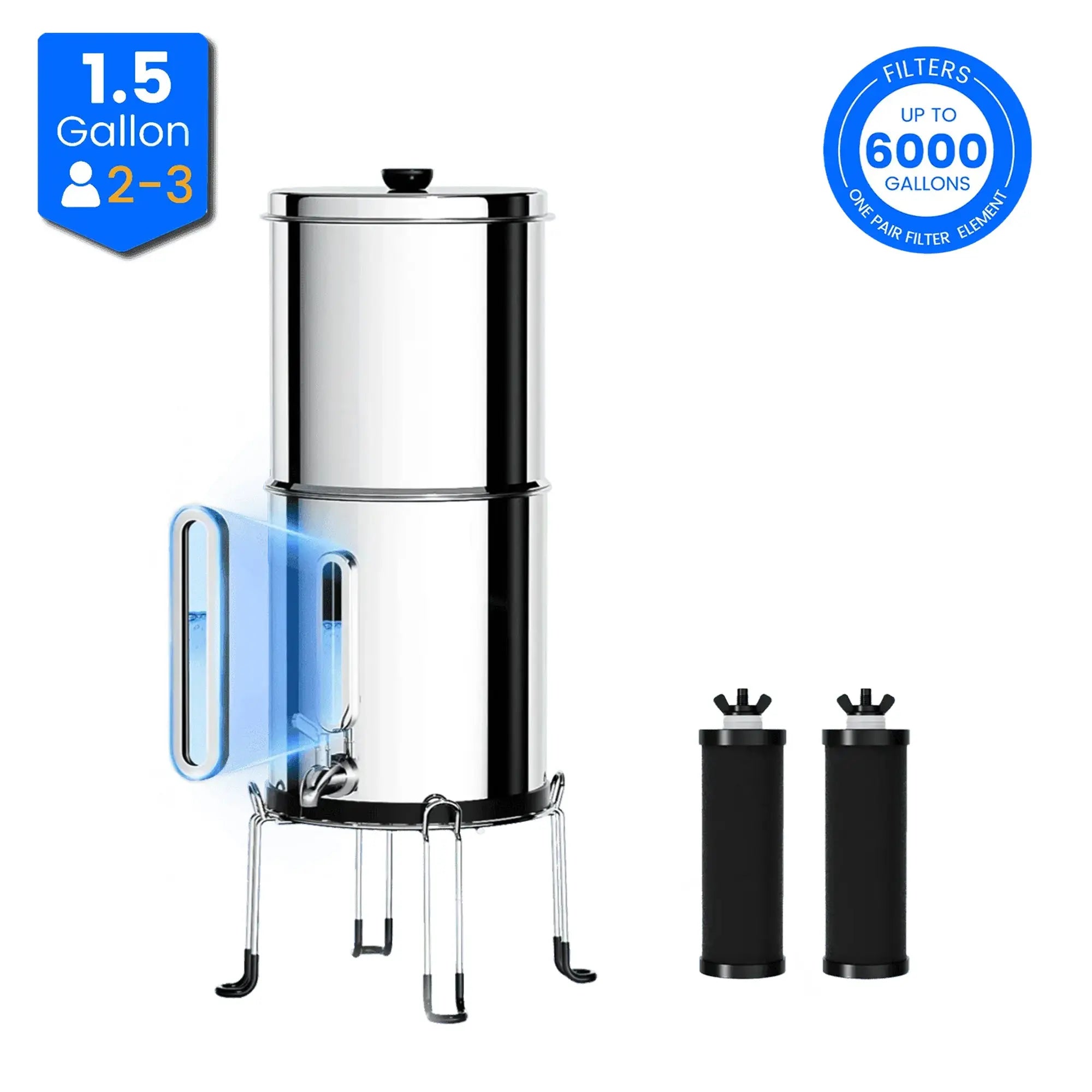
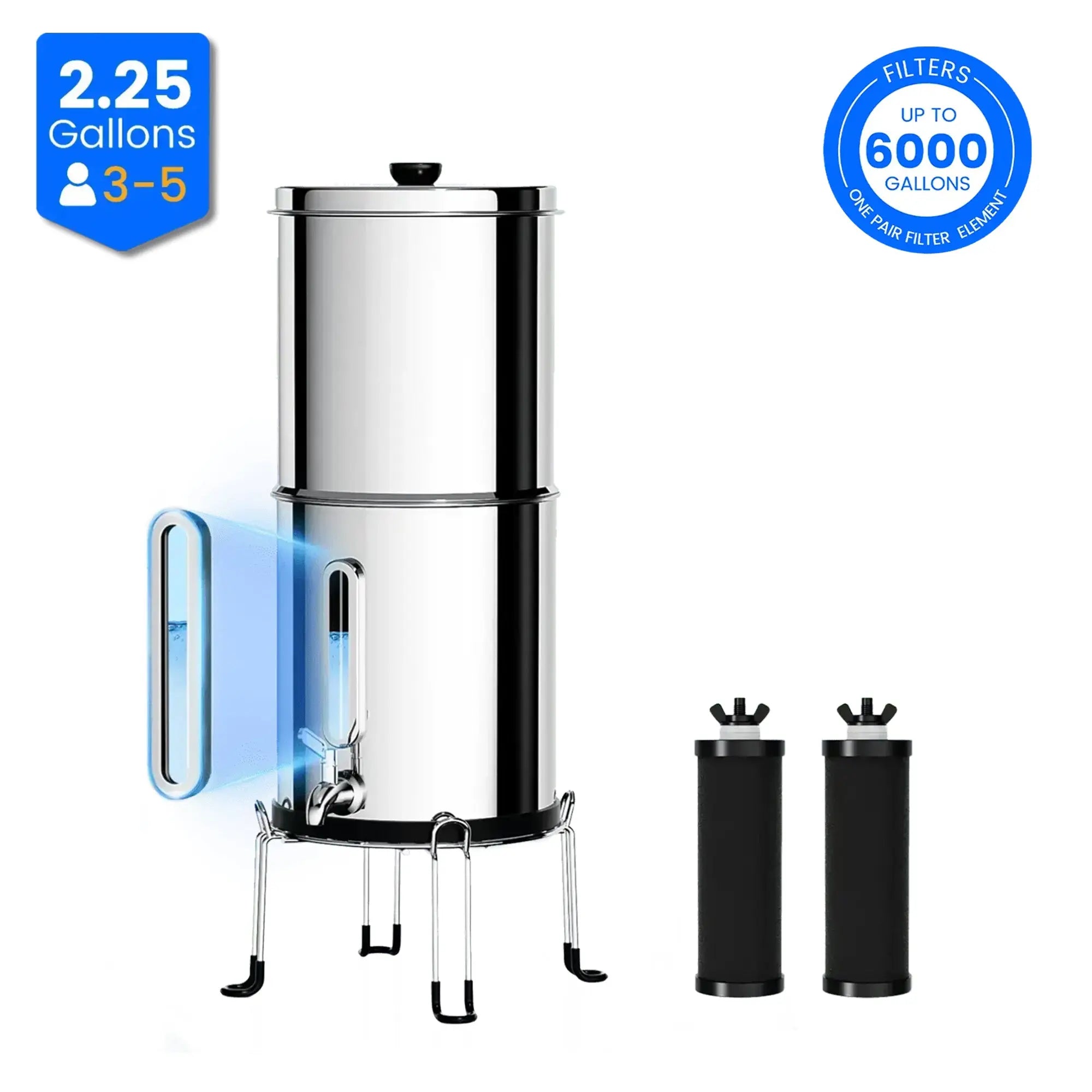
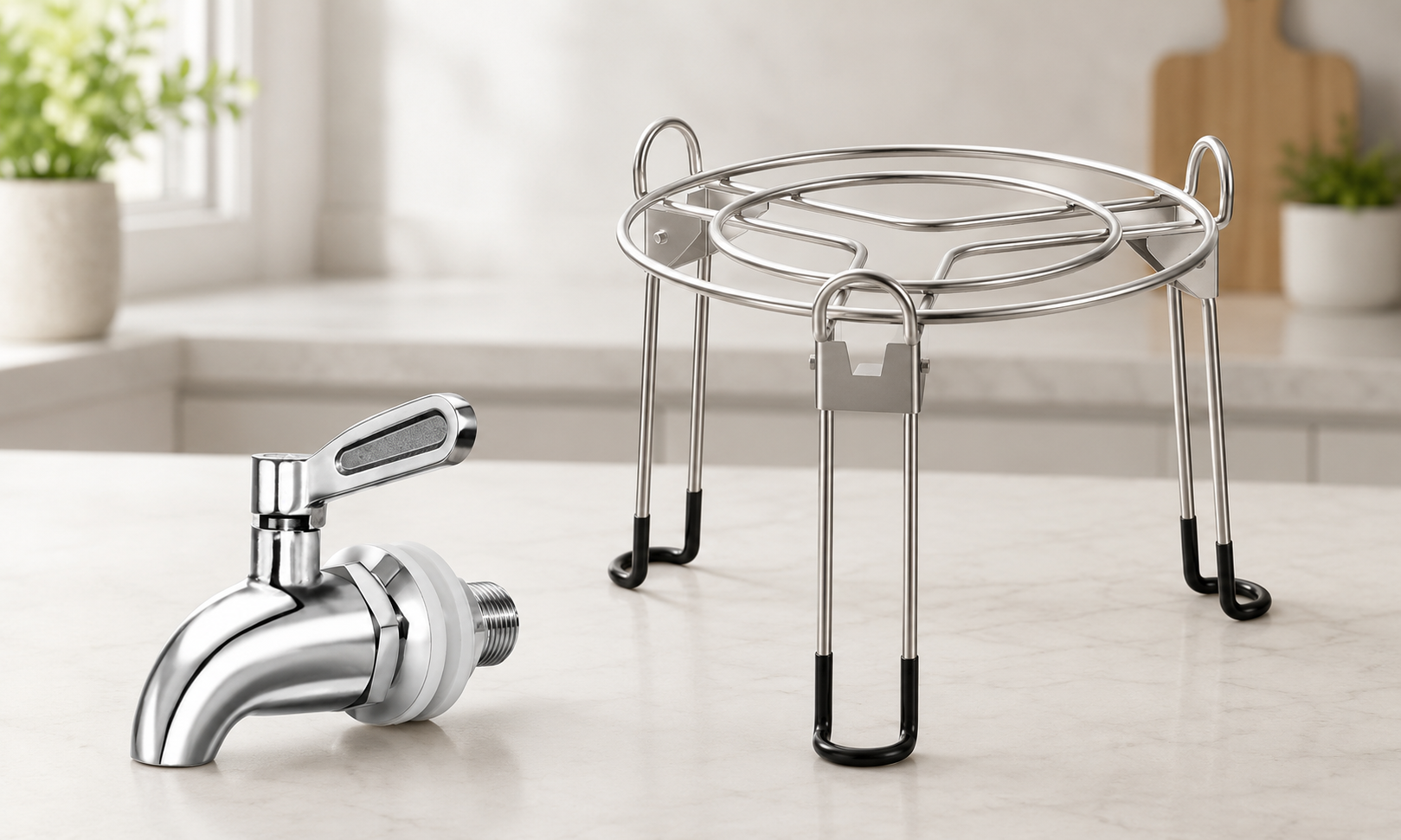
Purewell gravity-fed systems fit into the second category. They are countertop drinking water systems that require no electricity and no plumbing. For readers comparing point-of-use options, Purewell’s Gravity-fed Water Filter System collection includes countertop stainless steel systems designed for home, RV, camping, and backup use.
Purewell should not be presented as a replacement for professional well treatment when a well has serious bacterial contamination, chemical contamination, fuel contamination, or flood damage.
Where Purewell Can Fit in a Well Water Plan
Purewell gravity-fed water filters may be helpful when:
- Your well water has been tested
- You want an additional drinking water filter at the countertop
- You need a no-electricity option for backup use
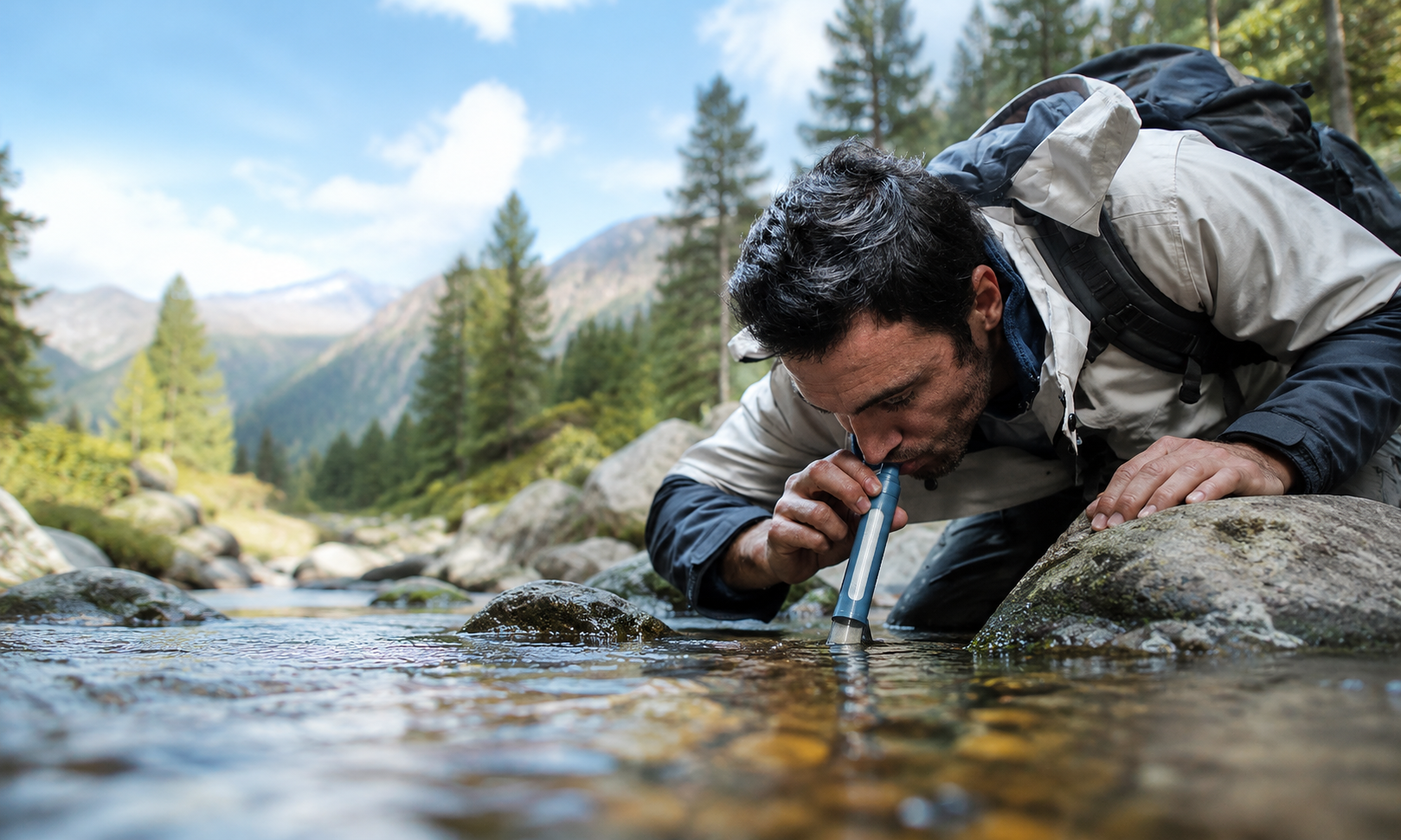
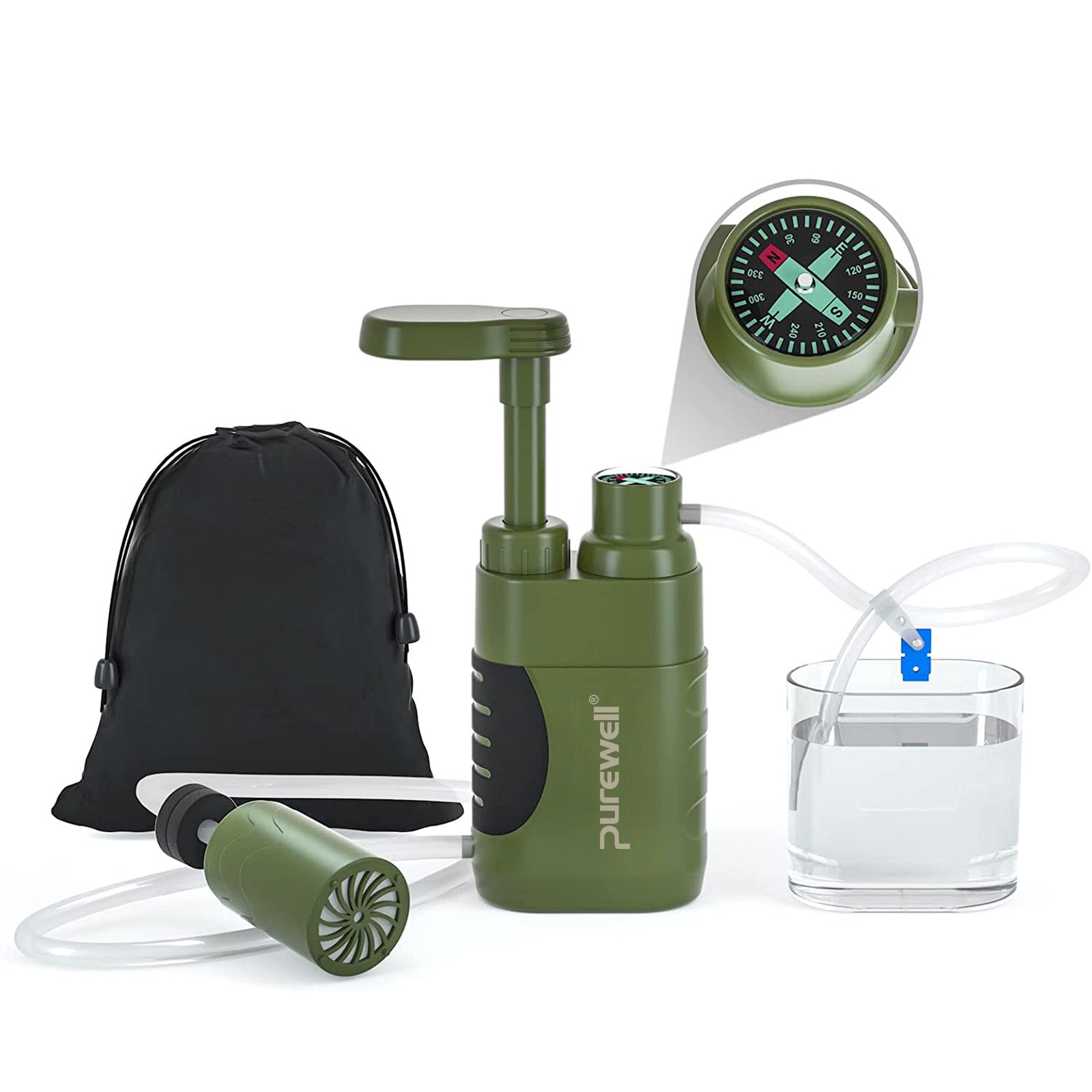
- You want a portable system for cabins, RVs, or camping
- You want to improve everyday drinking water taste and odor
- You want replaceable filters with long service life
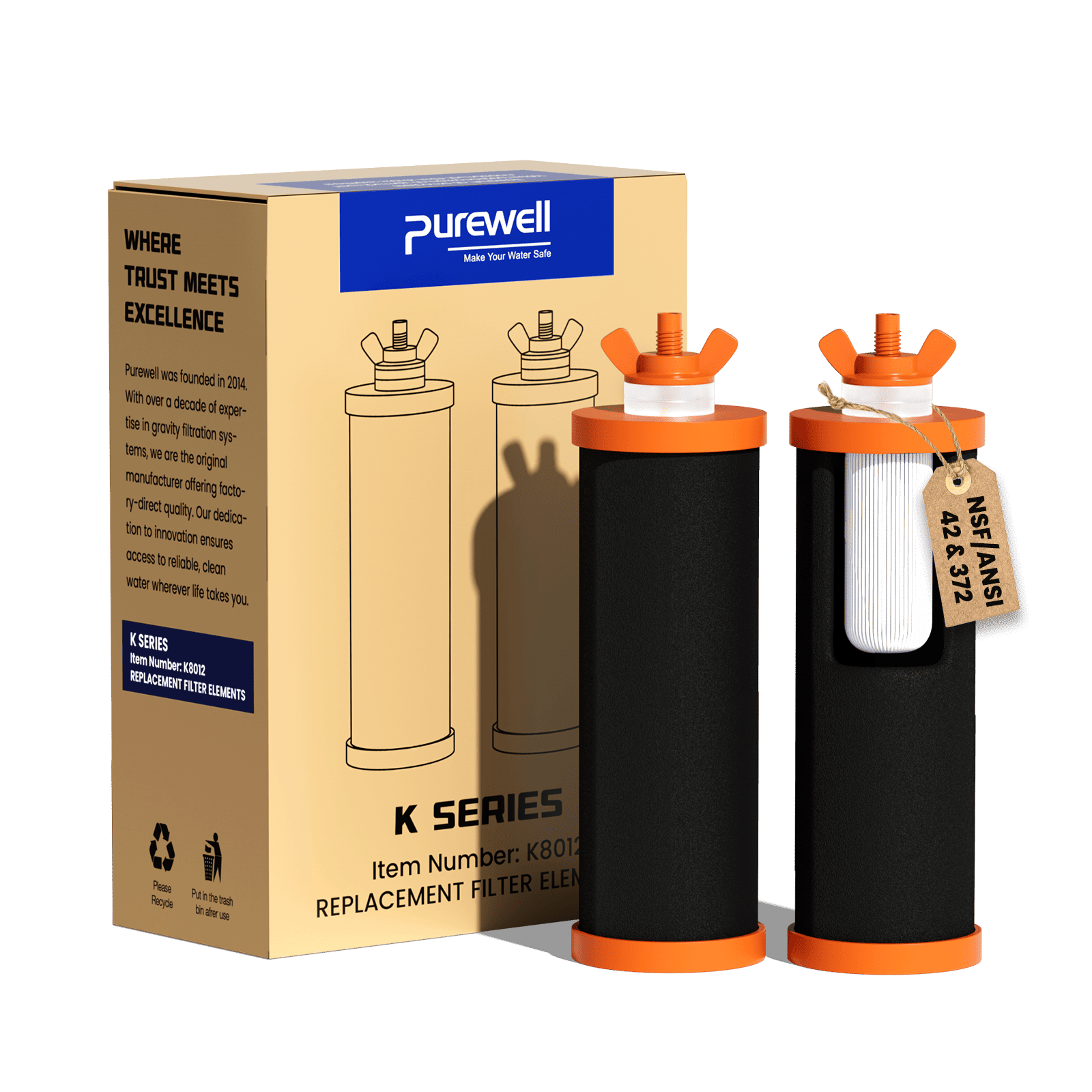
For smaller households, the K Series 1.5 Gallon Countertop Gravity Water Filter System may be a practical countertop option. For families or users comparing larger setups, the broader Gravity Water Filter System collection provides multiple capacity and filter configuration choices.
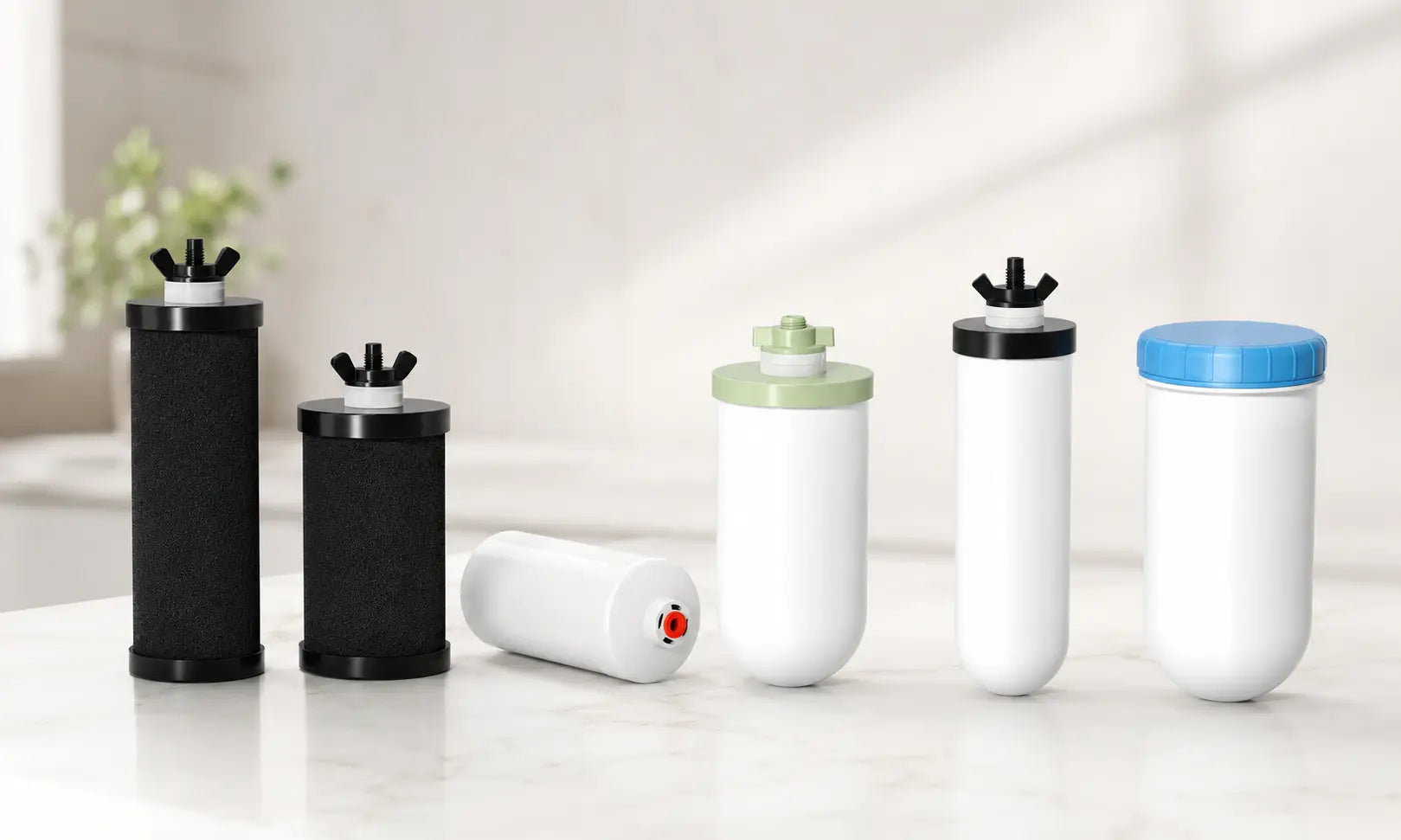
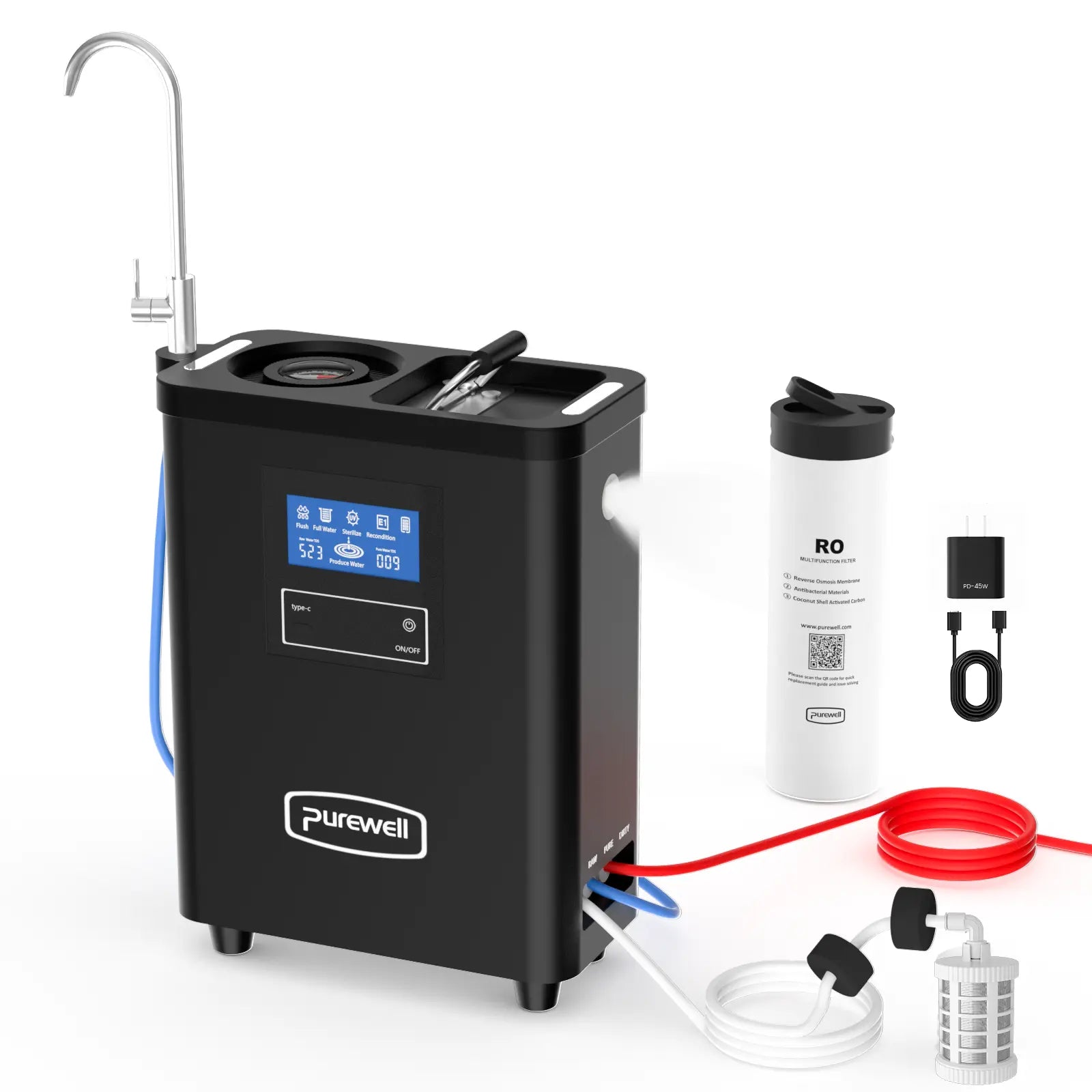
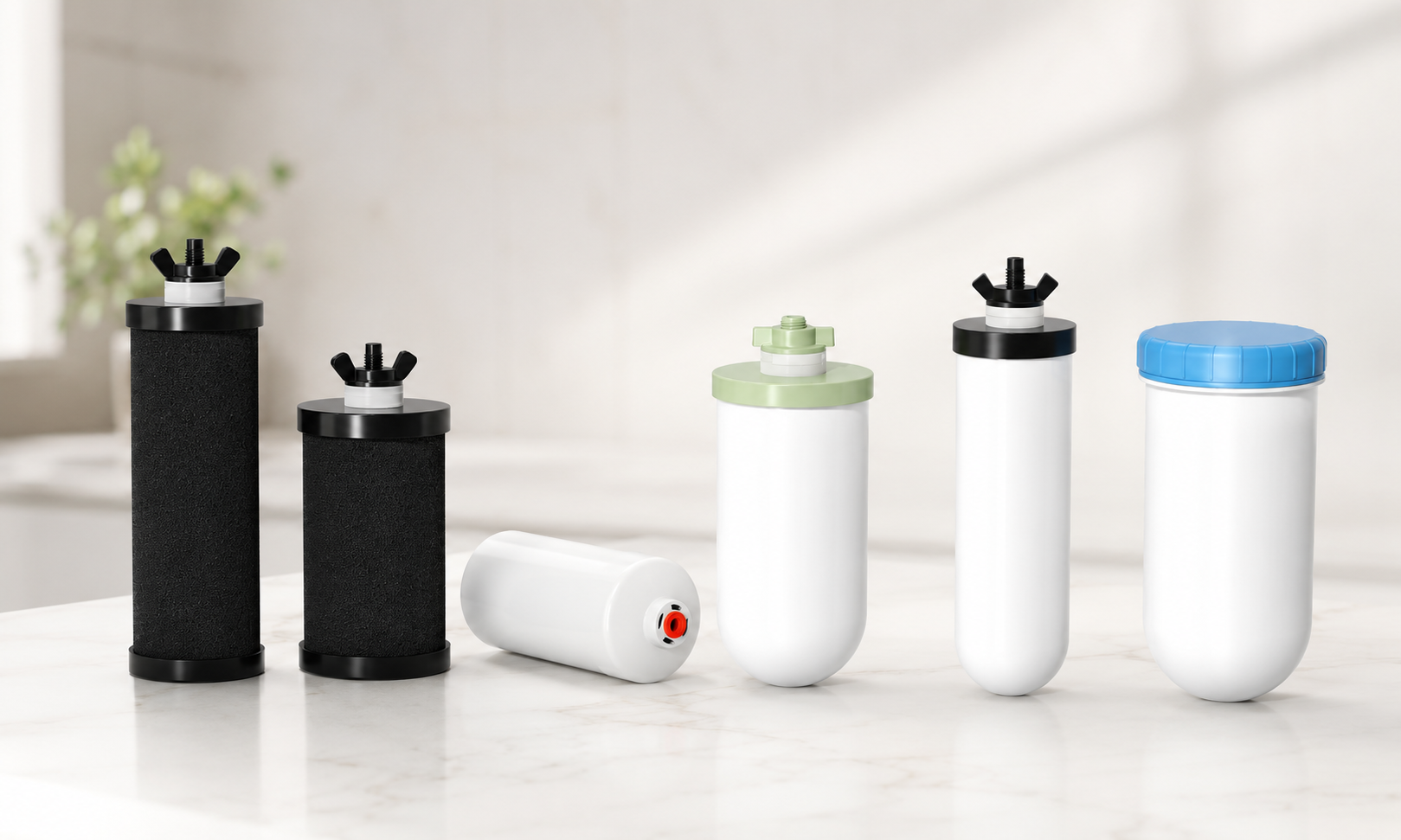
Filter selection should be based on water test results. Purewell’s Replacement Water Filters collection includes carbon filters and specialty add-on filters, while the Home Category Replacement Filter collection provides additional replacement filter options for compatible systems.
Purewell is not a substitute for lab testing, professional well repair, or whole-house treatment when those are needed.
What To Do After a Flood If You Use a Private Well
If your private well may have been affected by flooding:
- Do not drink or wash with the well water until it is confirmed safe.
- Avoid turning on a flooded well pump because of electrical risk.
- Contact your local health department or extension office.
- Have the well inspected if damage is possible.
- Disinfect the well if advised by local authorities or a professional.
- Test the water through a certified laboratory.
- Use bottled water or another verified safe source until results confirm safety.
A countertop filter can be part of a preparedness plan, but it should not be the only response to a flooded or unsafe well.
Common Well Water Questions
Is clear well water always safe?
No. Some contaminants have no color, taste, or smell. Testing is the only reliable way to know what is in your well water.
Should I test well water after flooding?
Yes. Flooding can introduce bacteria, sewage, chemicals, sediment, and other contaminants into private wells.
Can boiling make well water safe?
Boiling can kill many germs, but it does not remove chemicals, fuel, pesticides, heavy metals, or nitrates.
Can Purewell be used with well water?
Purewell can be used as a point-of-use drinking water filter after testing, depending on the water quality and contaminants present.
Does Purewell replace a whole-house well system?
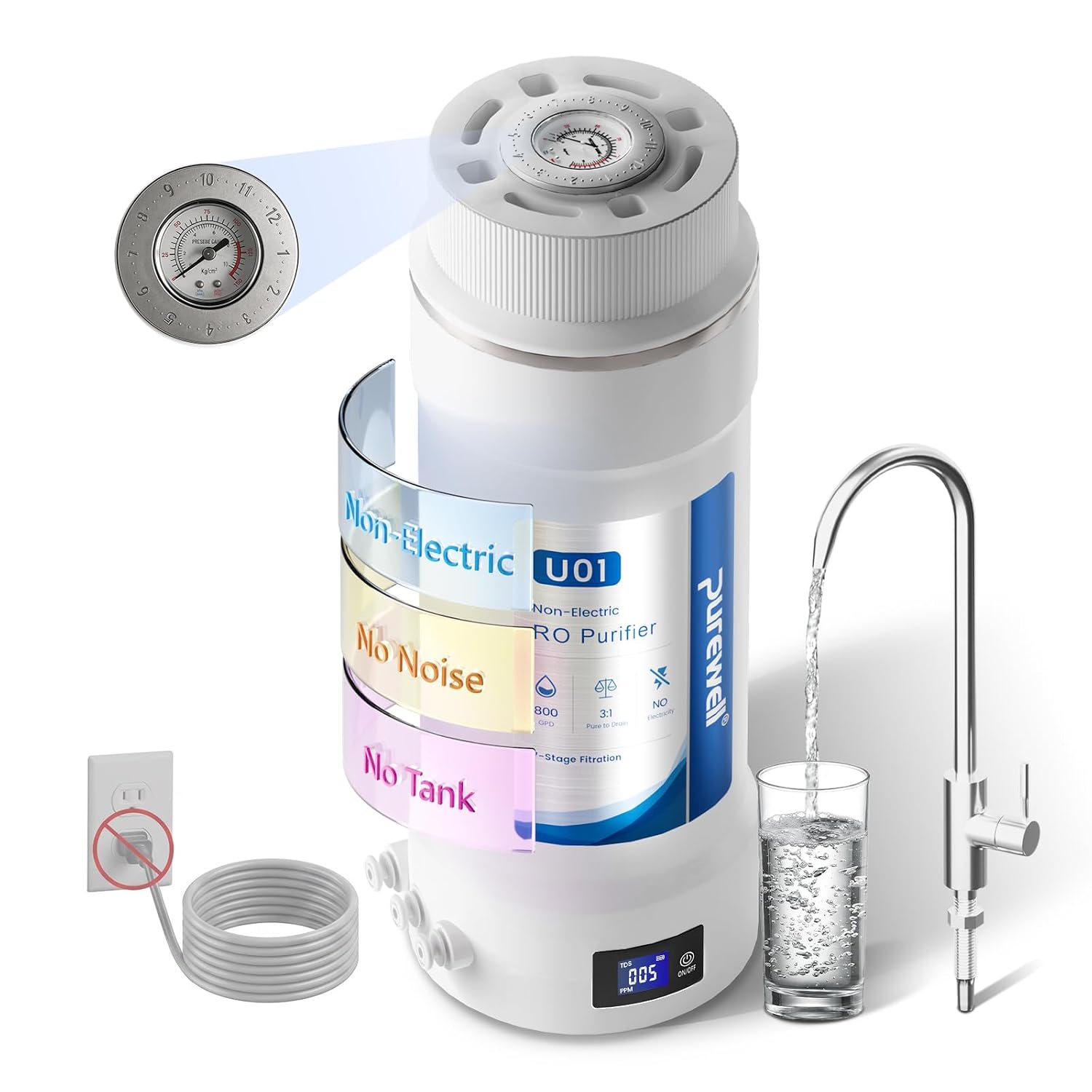
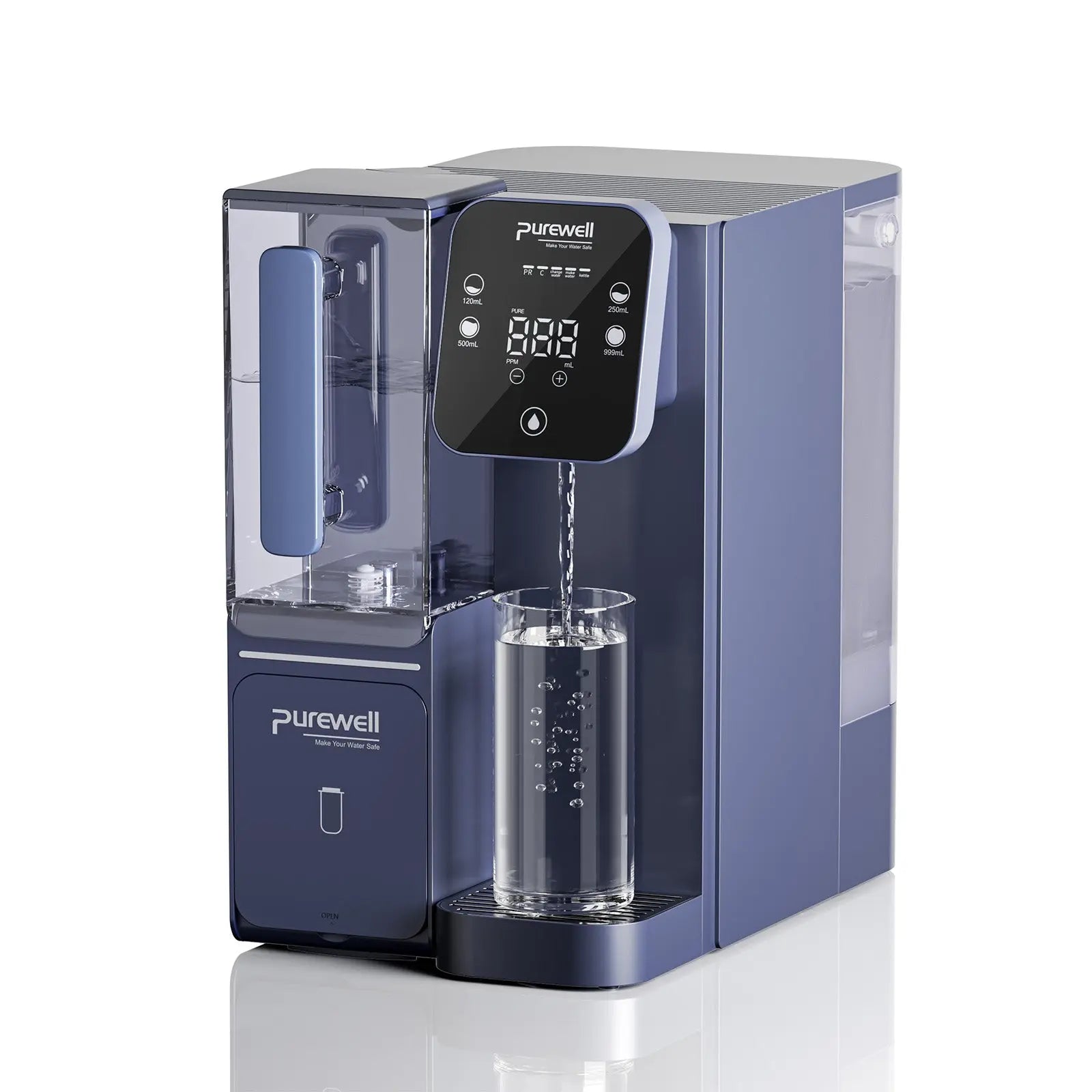
No. Purewell is a countertop drinking water filtration system, not a whole-house well treatment system.
What if my water test shows bacteria?
Follow local health department guidance. A bacteria-positive well may require disinfection, repair, retesting, or professional treatment.
Final Takeaway
Private well water safety starts with testing, not guessing.
Flooding, runoff, septic systems, and local groundwater conditions can affect well water quality. Parasites such as Cyclospora also show why water safety should be approached carefully and objectively.
Purewell gravity-fed systems can support everyday drinking water filtration after testing, especially for kitchens, cabins, RVs, and backup use. But if a well has been flooded or tests unsafe, professional guidance and certified testing should come first.
Test first. Filter smart. Stay prepared.
Disclaimer
This article is for general educational purposes only and is not a substitute for professional water testing, medical advice, or guidance from local health authorities. Private well conditions vary by location, flooding history, plumbing, and groundwater quality. If your well has been flooded, tests positive for bacteria, or may contain chemical contamination, consult your local health department, a certified laboratory, or a qualified water treatment professional before using the water for drinking. Purewell gravity-fed systems are point-of-use drinking water filters and are not a replacement for whole-house well treatment when professional treatment is required.